National
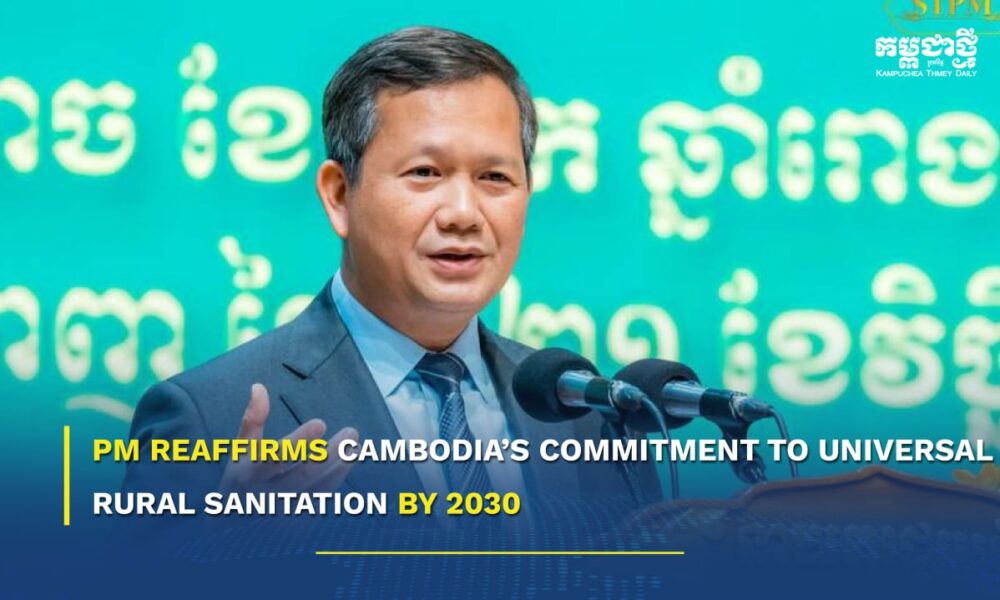
PM Reaffirms Cambodia’s Commitment to Universal Rural Sanitation by 2030
PHNOM PENH, Cambodia (Nov.07, 2027) — Prime Minister Samdech Thipadei Hun Manet on Wednesday reaffirmed the Cambodian government’s commitment to achieving 100% rural sanitation coverage by 2030, as the country marked its 16th National Rural Sanitation Day.
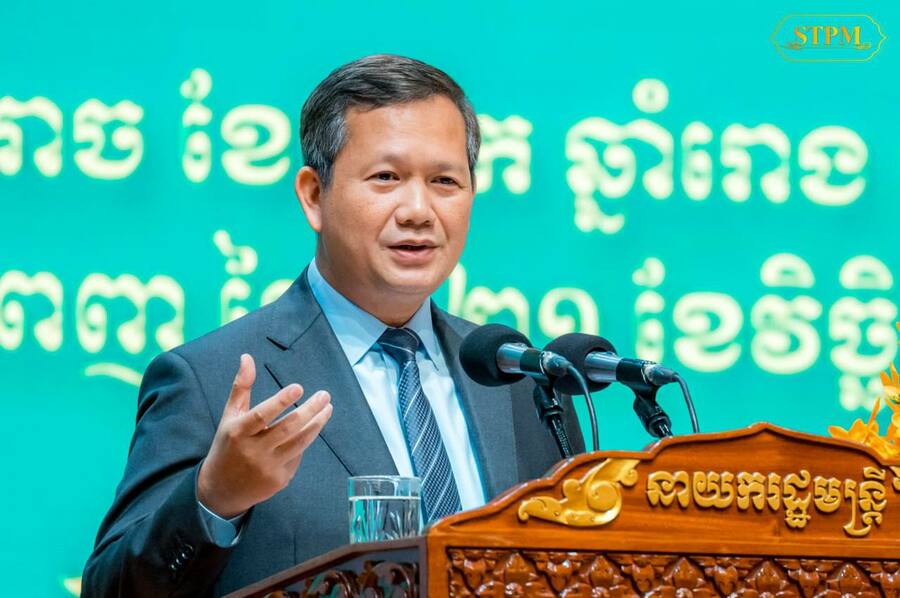
In a statement, Samdech Thipadei Hun Manet said the government designated Nov. 13 as National Rural Sanitation Day to raise public awareness and encourage collective action to improve hygiene and living conditions in rural communities.
He emphasized that rural sanitation remains a top priority and is central to the National Policy on Clean Water Supply and Sanitation and the Pentagonal Strategy Phase I.
The prime minister noted that Cambodia has made significant progress in recent years. All 25 capital and provincial administrations have achieved Open Defecation Free (ODF) status, covering 14,576 villages, 1,652 communes, 163 districts, 33 towns, and 14 khans. Rural sanitation coverage rose from 90% in 2024 to 95% in 2025, with full coverage expected by 2030.
Samdech Thipadei credited these achievements to the collective efforts of the government, institutions, and the Cambodian people, and said they reflect a growing public awareness of hygiene and a shift in behavior.
He expressed appreciation to the Ministry of Rural Development, development partners, NGOs, and other stakeholders for their contributions to advancing rural sanitation.
He called for continued cooperation to meet national goals and outlined several priorities to accelerate progress. These include strengthening coordination through the Technical Working Group on Rural Water Supply, Sanitation and Hygiene, deepening collaboration among ministries and partners, and updating policies and action plans to guide implementation.
He also urged increased resource mobilization from development partners, the private sector, and philanthropists, and emphasized the need for improved data systems to monitor progress.
Samdech Thipadei Hun Manet stressed the importance of promoting climate-resilient and environmentally sustainable sanitation technologies, supporting local authorities in maintaining ODF status, and ensuring equitable access to sanitation services for vulnerable groups, including poor families, ethnic minorities, widows, people with disabilities, and those in high-risk areas.
He concluded by encouraging all stakeholders to work together with “greater strength, determination, and solidarity” to realize Cambodia’s vision of universal rural sanitation by 2030.

-

 National2 months ago
Cambodia Expands Free ID Services While Introducing Clear Fee Structure for Administrative Documents
-
 National3 weeks ago
Cambodia proposes trilateral anti‑crime liaison mechanism with Laos, Vietnam
-

 National3 weeks ago
PM Hun Manet to visit China as trade surges and investment deepens
-

 National2 weeks ago
Cambodia says four soldiers injured in border blast, investigation launched
-

 National1 month ago
Samdech Techo Hun Sen Says Cambodia Can Meet Defence Needs Through Domestic Production
-

 National2 weeks ago
Cambodia opens new distribution hub to expand market access for local businesses
-
 Opinion2 months ago
From Connectivity to Resilience: How Japan’s Strategic Shift Could Transform Cambodia’s Next Development Phase
-

 Economy2 months ago
Cambodia Welcomes 1 Million Tourists in Q1, But Arrivals Fall Sharply Amid Regional Pressures