National
Trump Ties ASEAN Summit Attendance to Peace Deal Ceremony, Drawing Regional Concerns
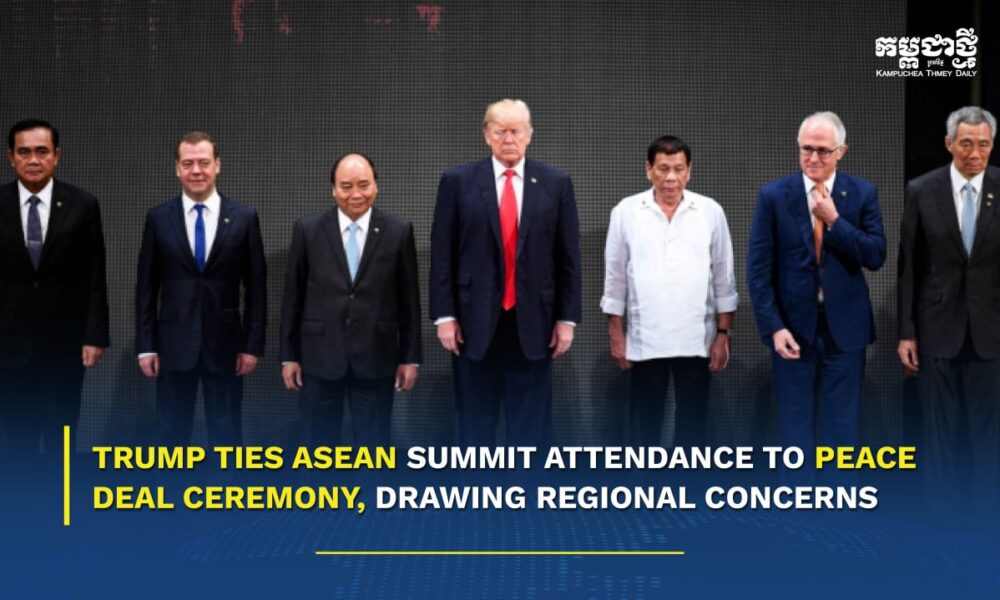
PHNOM PENH, Cambodia (Oct.13, 2025) — U.S. President Donald Trump is reportedly willing to attend the ASEAN Summit in Malaysia later this month, but only if he is allowed to preside over a ceremonial peace agreement between Cambodia and Thailand, according to a report by Politico.
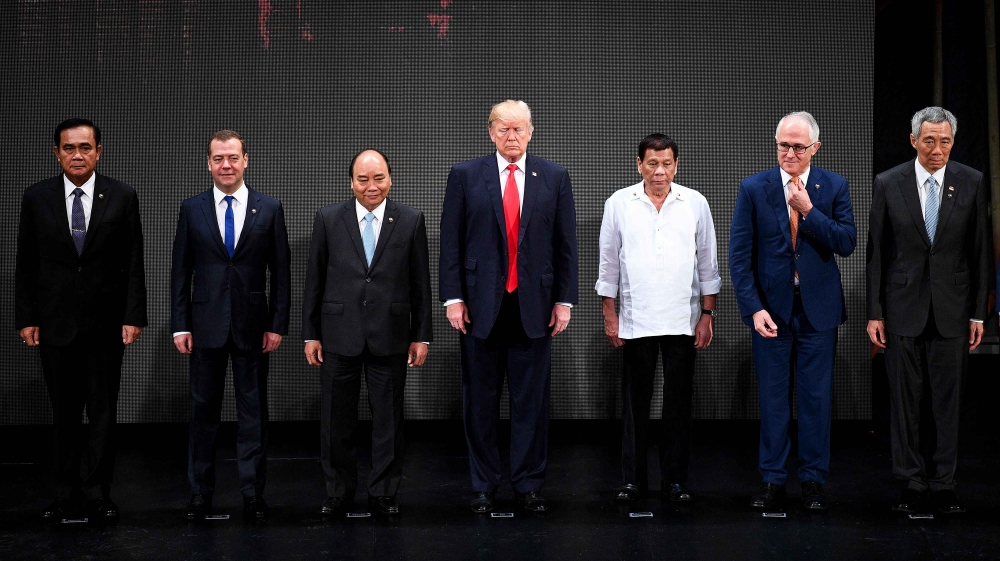
The White House has made Trump’s participation in the Oct. 26–28 summit conditional on the Malaysian government agreeing to host the signing ceremony on the sidelines of the event, Politico reported, citing three sources familiar with the matter who were granted anonymity due to the sensitivity of the issue.
Cambodian Experts Voice Concerns
Commenting on the report, Kin Phea, director general of the International Relations Institute at the Royal Academy of Cambodia, said the Cambodian people would welcome a peace accord involving the Cambodia-Thailand border dispute, especially if mediated by the United States.
“But the question is, will it be implemented in good faith? Thailand’s hostile actions continue, even though a ceasefire has already been reached in Malaysia,” Phea said.
He also expressed concern about one major power, such as the United States, attempting to dominate the process.
“The U.S. and China should support ASEAN’s approach to resolving the issue, rather than pushing for their own exclusive roles and sidelining others,” Phea said. “If one superpower tries to take over the issue and exclude another, like China, I’m deeply concerned that this won’t resolve the conflict—it could escalate tensions and trigger geopolitical competition in the region.”
Phea warned that the ASEAN Summit could become divided due to pressure from outside powers imposing their own approaches. He emphasized that ASEAN already has its own framework for conflict resolution, which should remain the primary mechanism.
Trump’s Role and Thai Conditions
Deth Sok Udom, professor of international relations at Paragon International University, said if the report about Trump’s request is accurate, it shows he still has an interest in the issue. However, he noted that implementation remains uncertain, particularly given Thai Prime Minister Anutin Charnvirakul’s four conditions for Cambodia to accept.
“One of the conditions—requiring Cambodians to evacuate certain villages—contradicts Cambodia’s preferred approach of resolving the dispute through regional and international mechanisms,” Sok Udom said, adding that Cambodia is likely to reject the demand.

Instead, he suggested that the United States and other powers, such as China and Japan, should encourage Thailand to accept an ASEAN observer team to monitor the ceasefire. They should also support ASEAN’s role as a neutral mediator.
“I don’t think the ceremony, if it does happen, would significantly affect China, even if it might feel like a missed opportunity in its own backyard,” he added. “Overall, China will continue playing the long game—positioning itself as a good partner to ASEAN, especially economically—and avoid getting involved in intra-regional conflicts like this one.”
U.S. Seeks to Sideline China
Politico reported that Trump views the potential ceremony as a high-profile opportunity to showcase his foreign policy credentials, particularly after claiming he played a decisive role in ending a deadly five-day border conflict between Cambodia and Thailand in July.
The White House has also requested that Chinese officials be excluded from the ceremonial event, according to the report. Sources said the aim is to keep the spotlight on Trump and downplay Beijing’s own mediation efforts.
An unnamed U.S. administration official told Politico that China “hasn’t played a role in these negotiations” and was therefore not relevant to the peace process.
China and Malaysia Respond
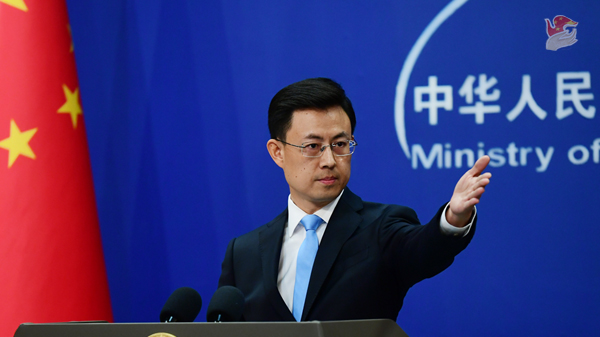
At a regular press briefing, Chinese Foreign Ministry spokesperson Guo Jiakun said Beijing supports both Cambodia and Thailand in resolving their differences through dialogue and backs Malaysia, the current ASEAN chair, in facilitating a political solution in accordance with the “ASEAN Way.”
“China stands ready, in accordance with the will of Cambodia and Thailand, to continue promoting talks and playing a constructive role in consolidating the ceasefire and advancing a peaceful resolution,” Guo said.
Malaysian Prime Minister Anwar Ibrahim previously stated in July that Trump’s participation in the summit was confirmed. However, if Anwar agrees to Trump’s latest request, he risks appearing to appease an American president who remains deeply unpopular in Malaysia.







-
 National2 months ago
Cambodia Expands Free ID Services While Introducing Clear Fee Structure for Administrative Documents
-
 National3 weeks ago
Cambodia proposes trilateral anti‑crime liaison mechanism with Laos, Vietnam
-
 National2 weeks ago
PM Hun Manet to visit China as trade surges and investment deepens
-

 National2 weeks ago
Cambodia says four soldiers injured in border blast, investigation launched
-
 National1 month ago
Samdech Techo Hun Sen Says Cambodia Can Meet Defence Needs Through Domestic Production
-

 National2 weeks ago
Cambodia opens new distribution hub to expand market access for local businesses
-
 Opinion2 months ago
From Connectivity to Resilience: How Japan’s Strategic Shift Could Transform Cambodia’s Next Development Phase
-
 Economy2 months ago
Cambodia Welcomes 1 Million Tourists in Q1, But Arrivals Fall Sharply Amid Regional Pressures