National
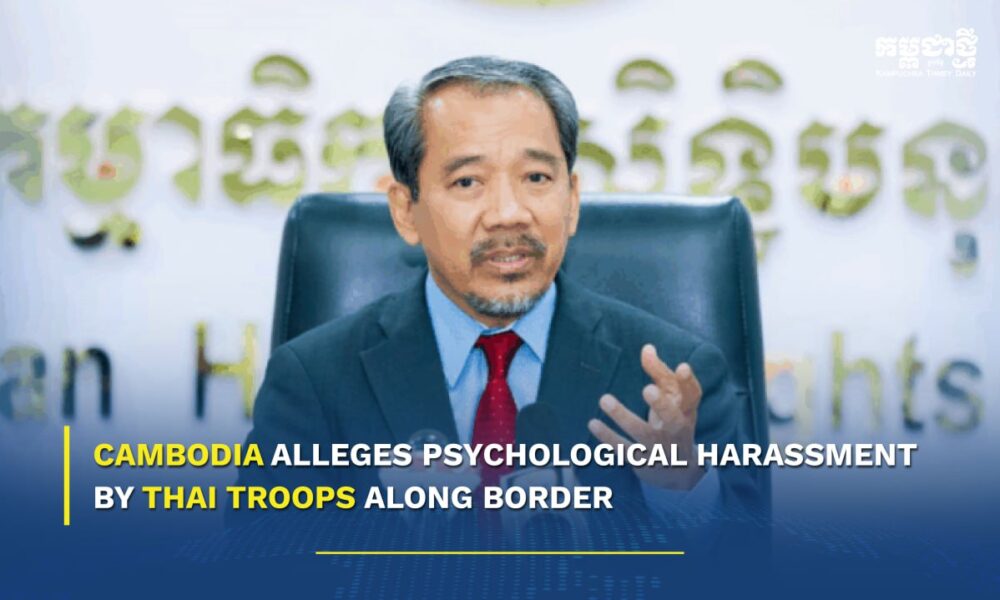
Cambodia Alleges Psychological Harassment by Thai Troops Along Border
PHNOM PENH, Cambodia (Oct.13,2025) — The Cambodian Human Rights Committee on Monday issued an urgent appeal alleging that Thai armed forces used disturbing sounds to psychologically intimidate Cambodian civilians living near the Cambodia-Thailand border.
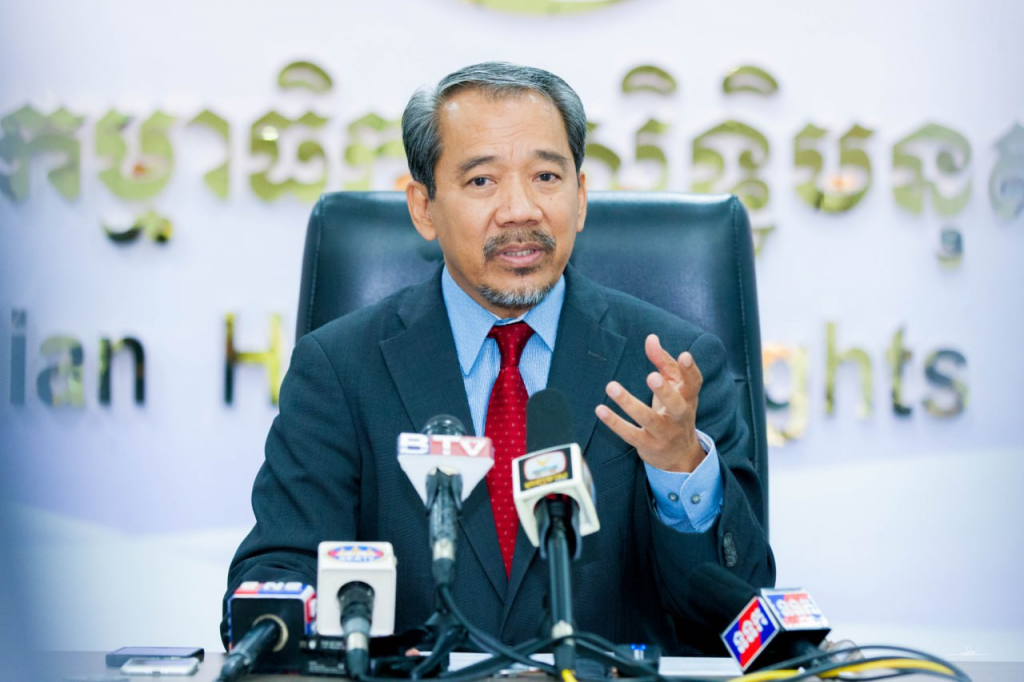
According to a statement released Oct. 13, the incident reportedly occurred late at night on Oct. 10 in Prey Chan and Chouk Chey villages, O Bei Chorn commune, O Chrov district, Banteay Meanchey province.
Residents and local authorities said they heard “haunting” sounds resembling wailing ghosts broadcast over loudspeakers between 10:44 p.m. and 12:04 a.m., followed by artificial aircraft engine noises from 3:22 a.m. to 3:53 a.m.
The committee said the noises caused severe distress, disrupted sleep and triggered anxiety and physical discomfort, particularly among women, children, the elderly and people with disabilities.
“These hostile and provocative acts threaten the mental and physical well-being of civilians and risk escalating tensions between Cambodia and Thailand,” the CHRC said.
The committee described the incidents as violations of the July 28 Cambodia-Thailand Ceasefire Agreement and the 13-point outcome of the Aug. 7 Extraordinary General Border Committee meeting. It also cited breaches of international human rights instruments, including the Universal Declaration of Human Rights and the Convention Against Torture.
The CHRC called for an immediate investigation into the reported actions, a halt to all forms of psychological intimidation and medical and psychological support for affected individuals.
It also invited the Office of the United Nations High Commissioner for Human Rights to conduct an observation mission to the area, offering to fully fund and coordinate the visit with local authorities.
“Cambodia remains committed to peace and human dignity, but repeated acts of aggression cannot be tolerated,” the committee said.








-
 National1 month ago
Cambodia Expands Free ID Services While Introducing Clear Fee Structure for Administrative Documents
-
 National3 weeks ago
Cambodia proposes trilateral anti‑crime liaison mechanism with Laos, Vietnam
-

 National2 weeks ago
PM Hun Manet to visit China as trade surges and investment deepens
-
 National2 weeks ago
Cambodia says four soldiers injured in border blast, investigation launched
-

 National1 month ago
Samdech Techo Hun Sen Says Cambodia Can Meet Defence Needs Through Domestic Production
-

 National2 weeks ago
Cambodia opens new distribution hub to expand market access for local businesses
-
 Opinion2 months ago
From Connectivity to Resilience: How Japan’s Strategic Shift Could Transform Cambodia’s Next Development Phase
-

 Economy2 months ago
Cambodia Welcomes 1 Million Tourists in Q1, But Arrivals Fall Sharply Amid Regional Pressures