
National
Australia Welcomes Progress in Cambodia-Thailand Border Talks
PHNOM PENH, Cambodia (Sept.12, 2025) — Australia has welcomed the outcome of the first special meeting of the General Border Committee between Cambodia and Thailand, held Sept. 10 in Cambodia’s Koh Kong province.
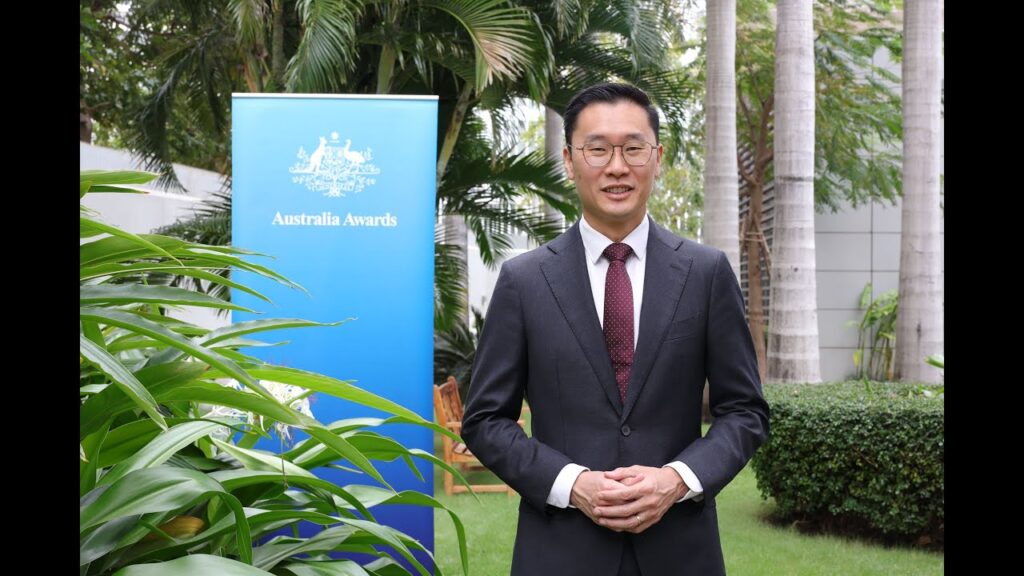
Australian Ambassador to Cambodia Derek Yip said the meeting marked a positive step toward resolving the ongoing border dispute between the two countries.
“The results will help restore confidence, build mutual trust, and pave the way for a peaceful and sustainable resolution,” Yip said in a statement posted Sept. 11 on X, formerly known as Twitter.
During the talks, Thai officials agreed to withdraw heavy weaponry from disputed border areas and return the equipment to designated military bases. Both sides also pledged to restore bilateral relations and normalize conditions on the ground, including the repatriation of detained soldiers “as soon as possible.”
In a separate development, the British Embassy in Phnom Penh and the government of Japan reiterated their support for regional peace efforts, saying they would continue working with all relevant parties to support de-escalation and ensure full implementation of the ceasefire agreement.

-

 National2 months ago
Cambodia Expands Free ID Services While Introducing Clear Fee Structure for Administrative Documents
-

 National3 weeks ago
Cambodia proposes trilateral anti‑crime liaison mechanism with Laos, Vietnam
-

 National3 weeks ago
PM Hun Manet to visit China as trade surges and investment deepens
-

 National2 weeks ago
Cambodia says four soldiers injured in border blast, investigation launched
-

 National1 month ago
Samdech Techo Hun Sen Says Cambodia Can Meet Defence Needs Through Domestic Production
-

 National2 weeks ago
Cambodia opens new distribution hub to expand market access for local businesses
-

 Opinion2 months ago
From Connectivity to Resilience: How Japan’s Strategic Shift Could Transform Cambodia’s Next Development Phase
-

 Economy2 months ago
Cambodia Welcomes 1 Million Tourists in Q1, But Arrivals Fall Sharply Amid Regional Pressures