National
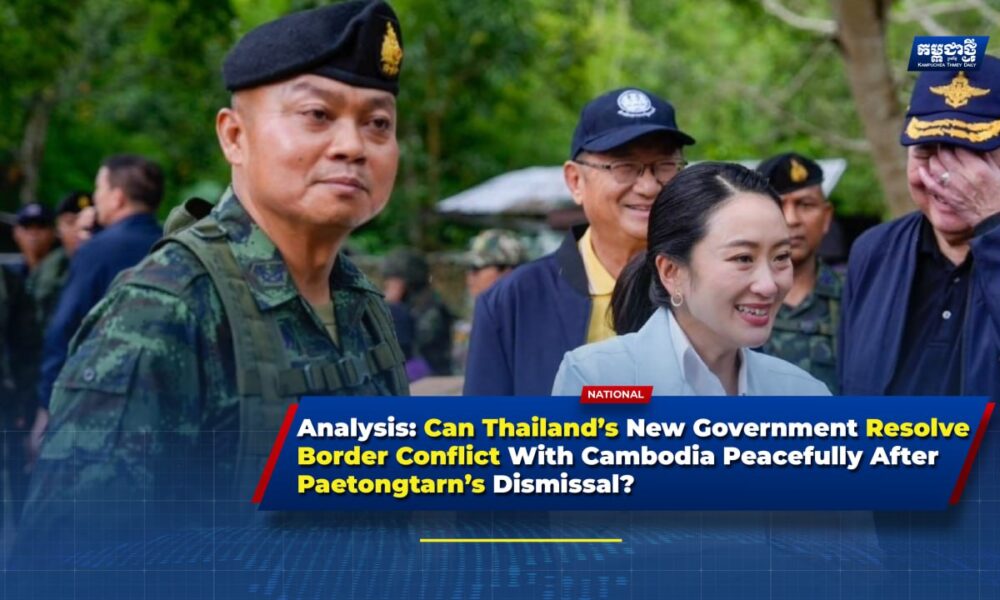
Analysis: Can Thailand’s New Government Resolve Border Conflict With Cambodia Peacefully After Paetongtarn’s Dismissal?
Former Thai Prime Minister Paetongtarn Shinawatra was dismissed by the Constitutional Court after being found guilty of violating the constitution in connection with a leaked audio recording involving Cambodian Senate President Hun Sen. Her removal has plunged Thailand into political uncertainty, leaving the country without a legitimate government as tensions along the Cambodian border remain unresolved.
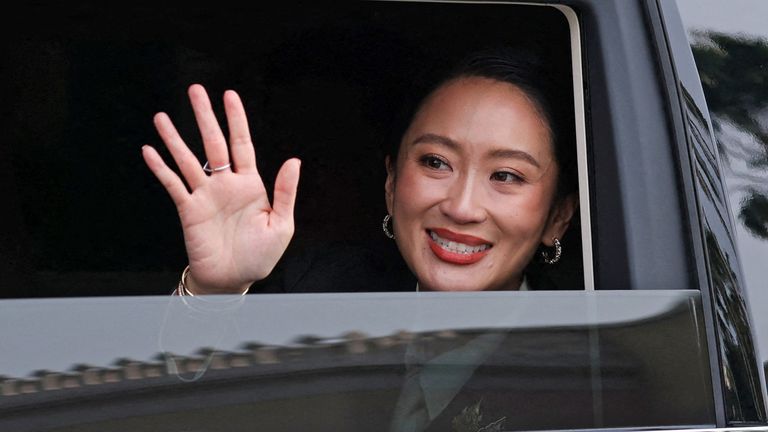
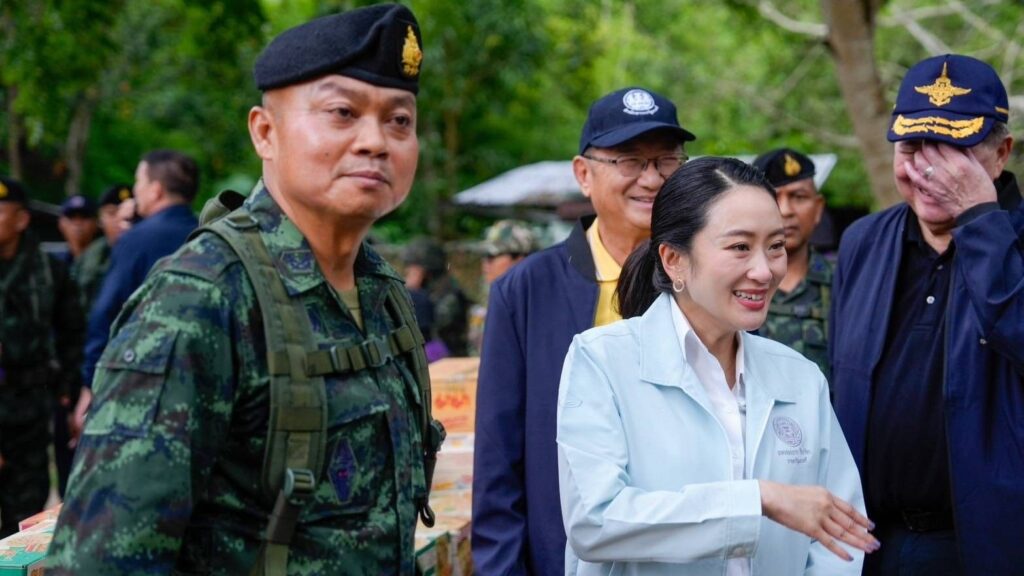
During recent clashes along the shared border, Paetongtarn’s Pheu Thai-led government was seen as lacking the authority to manage the conflict. Analysts point to the Thai military’s dominance—closely aligned with the monarchy—as a major obstacle for civilian leadership. Acting Prime Minister Phumtham Wechayachai has temporarily assumed office, but the dispute continues.
Local media report that Parliament is urging political leaders to reach a consensus and form a new government. Lawmakers have stressed that a new administration must be in place by Sept. 4 or 5, 2025, warning that prolonged political limbo could worsen national challenges, including the border conflict and economic instability.
Whether the next Thai government can resolve the border dispute through diplomacy or international law remains uncertain.
Yong Pov, secretary-general of the Royal Academy of Cambodia, said the issue is unlikely to be resolved regardless of whether the next prime minister comes from the military, the opposition, or the Pheu Thai Party.
“Thailand has historically harbored expansionist ambitions toward Cambodia,” Pov said. “However, a new government could at least reduce military tensions along the border.”
He added that negotiations remain difficult because Thai authorities consistently reject the use of French-Siamese treaty maps, instead favoring unilaterally drawn maps that lack international recognition.
While Pov believes resolution is currently impossible, he said both sides could return to normalcy once Thailand appoints a new prime minister. He noted that international law could be a viable path forward, but only if Cambodia possesses strong military capabilities, a robust economy, and power equal to or greater than Thailand’s. He also stated that Thailand is unlikely to launch a successful attack, citing the strength and unity of Cambodia’s armed forces.
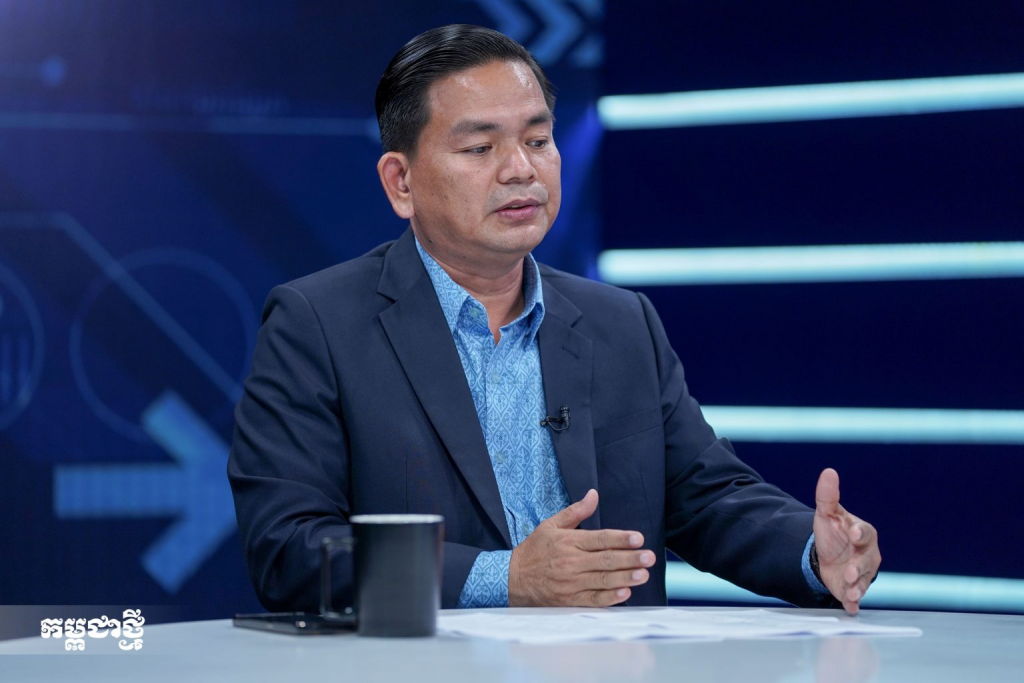
Kin Phea, director-general of the International Relations Institute at the Royal Academy of Cambodia, echoed Pov’s concerns. He said diplomatic relations and the border dispute are unlikely to normalize or be resolved peacefully, regardless of who leads the next Thai government.
He said the prospects for resolving the border dispute remain bleak, regardless of who leads the next Thai government. He pointed to several entrenched challenges that complicate the situation.
Thailand’s internal political turmoil, marked by fierce power struggles, often prompts leaders to redirect public attention toward border tensions with Cambodia. The Thai military’s dominance over civilian leadership further limits the government’s ability to pursue diplomatic solutions. Compounding this is the monarchy’s enduring influence, which allows the military to act independently of elected officials.
Public sentiment also plays a role, as many Thai citizens favor assertive policies toward Cambodia, reinforcing nationalist rhetoric. Phea added that Thailand’s long-term strategy appears to involve territorial ambitions, making peaceful resolution even more difficult.

-
 National2 months ago
Cambodia Expands Free ID Services While Introducing Clear Fee Structure for Administrative Documents
-
 National3 weeks ago
Cambodia proposes trilateral anti‑crime liaison mechanism with Laos, Vietnam
-
 National2 weeks ago
PM Hun Manet to visit China as trade surges and investment deepens
-

 National2 weeks ago
Cambodia says four soldiers injured in border blast, investigation launched
-
 National1 month ago
Samdech Techo Hun Sen Says Cambodia Can Meet Defence Needs Through Domestic Production
-

 National2 weeks ago
Cambodia opens new distribution hub to expand market access for local businesses
-
 Opinion2 months ago
From Connectivity to Resilience: How Japan’s Strategic Shift Could Transform Cambodia’s Next Development Phase
-
 Economy2 months ago
Cambodia Welcomes 1 Million Tourists in Q1, But Arrivals Fall Sharply Amid Regional Pressures