National
Cambodia vows peaceful, law‑based path if Thailand quits maritime pact
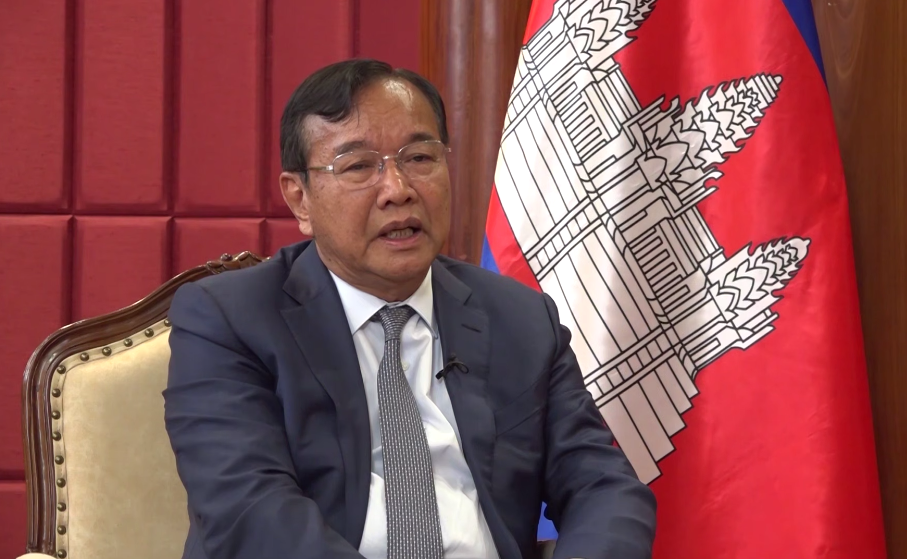
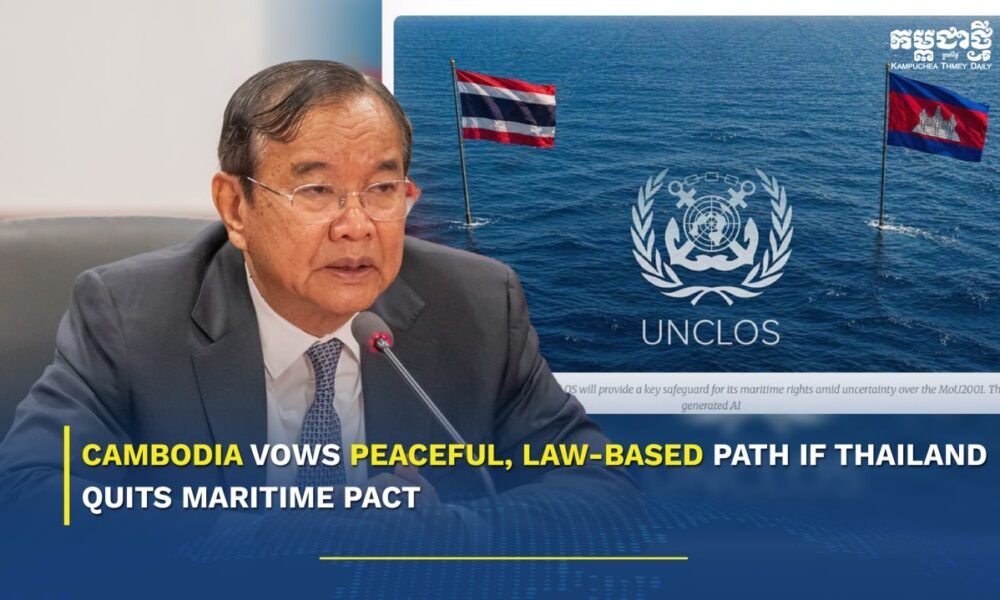
PHNOM PENH, May 4, 2026 (KPT) — Cambodia will continue to seek peaceful and legal avenues to resolve maritime disputes if Thailand withdraws from a long‑standing bilateral agreement, Foreign Minister Prak Sokhonn said in remarks underscoring Phnom Penh’s commitment to dialogue and international law.
Speaking to state broadcaster TVK, Sokhonn referred to the 2001 memorandum of understanding (MoU) between the two neighbours, which established a bilateral mechanism to manage overlapping claims in the Gulf of Thailand.
The framework has guided discussions for nearly 25 years, covering contested areas of the continental shelf.
“If this bilateral mechanism no longer exists, Cambodia will continue to pursue other peaceful and law‑based solutions,” Sokhonn said, stressing that Phnom Penh remains committed to both the content and spirit of the MoU.
His comments follow reports that Thai Foreign Minister Sihasak intends to terminate the agreement.
Cambodia’s Ministry of Foreign Affairs has already issued two statements, on April 8 and April 24, warning that a unilateral withdrawal would be “deeply regrettable” and mark a departure from the cooperative spirit underpinning the arrangement.
The ministry emphasized that the MoU reflected the genuine political will of both sides to implement in good faith a mutually acceptable framework for resource exploitation in the Overlapping Claims Area, while advancing maritime boundary delimitation in line with international law.
Officials said Cambodia remains firmly committed to the goodwill and good faith that guided the MoU’s conclusion in 2001.
Sokhonn added that Phnom Penh will present a formal position in the coming days, signaling that Cambodia intends to keep the dispute within peaceful and legal channels even as regional tensions rise.
The issue highlights the fragility of maritime diplomacy in Southeast Asia, where overlapping claims continue to test bilateral and regional mechanisms.








-
 National1 month ago
Cambodia Expands Free ID Services While Introducing Clear Fee Structure for Administrative Documents
-
 National3 weeks ago
Cambodia proposes trilateral anti‑crime liaison mechanism with Laos, Vietnam
-
 National2 weeks ago
PM Hun Manet to visit China as trade surges and investment deepens
-
 National2 weeks ago
Cambodia says four soldiers injured in border blast, investigation launched
-
 National1 month ago
Samdech Techo Hun Sen Says Cambodia Can Meet Defence Needs Through Domestic Production
-

 National2 weeks ago
Cambodia opens new distribution hub to expand market access for local businesses
-
 Opinion2 months ago
From Connectivity to Resilience: How Japan’s Strategic Shift Could Transform Cambodia’s Next Development Phase
-
 Economy2 months ago
Cambodia Welcomes 1 Million Tourists in Q1, But Arrivals Fall Sharply Amid Regional Pressures