National
Analysts: Cambodia’s UN Conciliation Move Marks Strategic Shift in Maritime Dispute
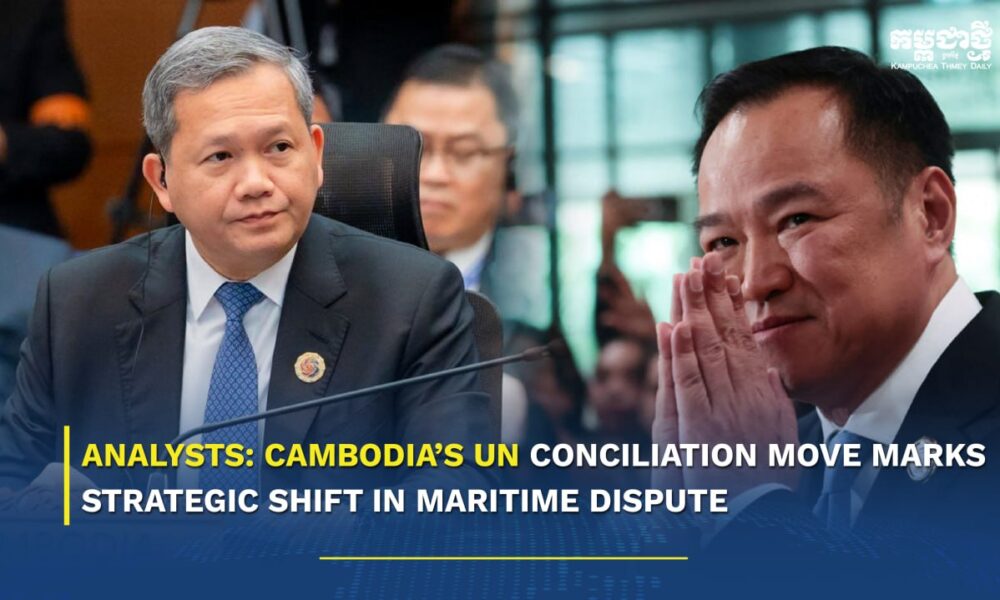
PHNOM PENH, April 6, 2026 (KPT) — Analysts say Cambodia’s decision to activate compulsory conciliation under the United Nations Convention on the Law of the Sea (UNCLOS) represents a significant strategic and legal shift in its dispute with Thailand over overlapping maritime claims.
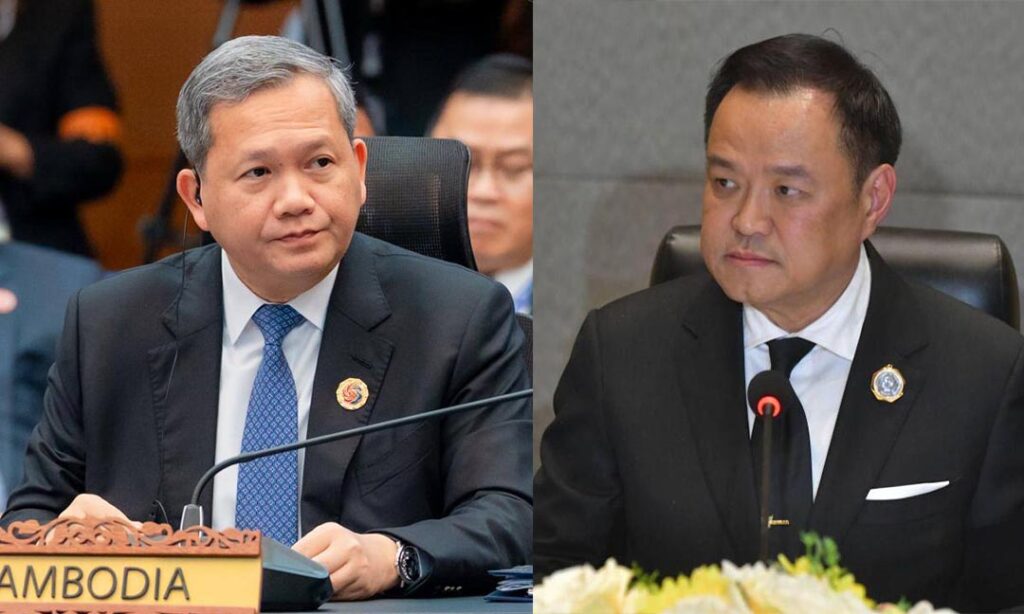
Prime Minister Hun Manet announced the move after Thailand withdrew from the 2001 Memorandum of Understanding (MoU), which for more than two decades had governed bilateral negotiations.
Cambodia described the MoU as the only established mechanism for managing the dispute, and said its collapse left Cambodia with no option but to turn to international legal processes.
Geopolitical analyst Kin Phea said the decision reflects a “highly professional, rules based response” that strengthens Cambodia’s international standing.
He noted the process could bring greater global scrutiny to the dispute while reinforcing Cambodia’s image as a state committed to international law, though it may also increase diplomatic pressure on Thailand if positions harden.
Political analyst Yang Peou called the UNCLOS mechanism a “crucial step” that could restore structured dialogue after the breakdown of bilateral talks.
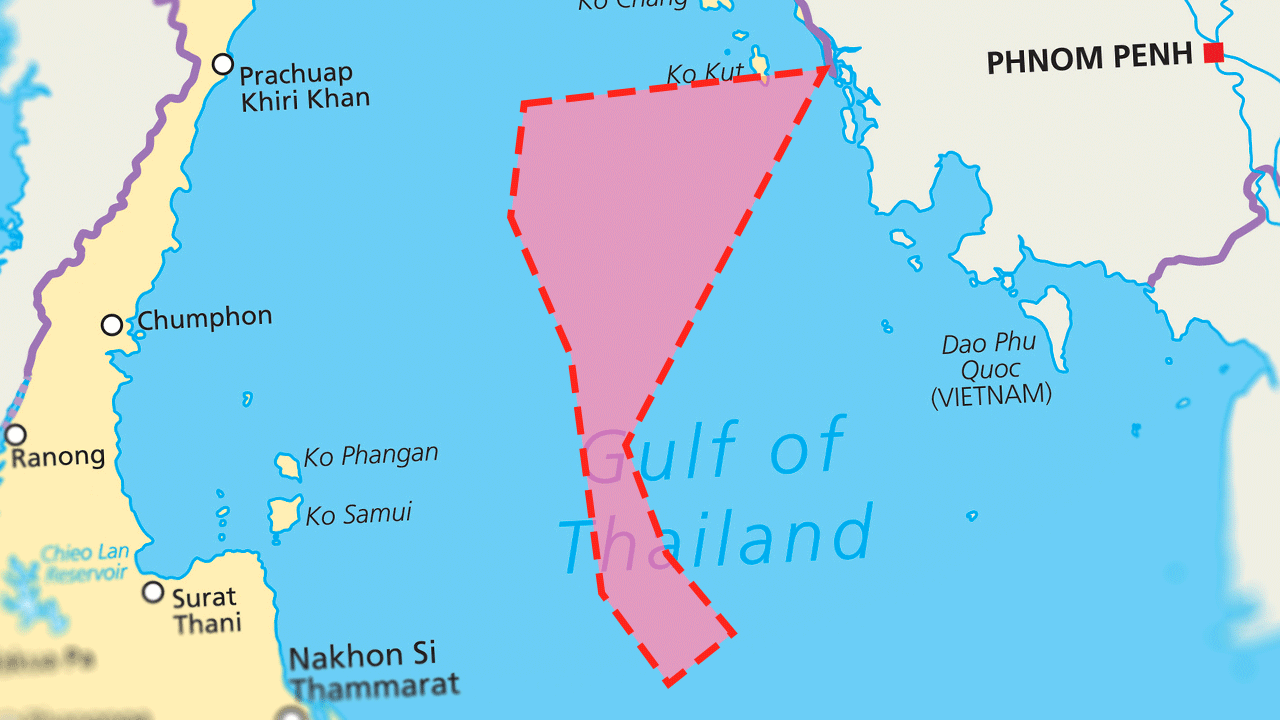
He said the process offers an opportunity to push both countries back toward negotiation under an international framework.
Deputy Prime Minister Prak Sokhonn reiterated that Thailand’s withdrawal does not affect Cambodia’s legal claims, stressing Phnom Penh’s maritime rights remain fully protected under UNCLOS.
Analysts say the coming phase will test both sides’ willingness to engage under international scrutiny, with potential implications for regional stability, investor confidence in the Gulf of Thailand, and ASEAN’s broader credibility in managing disputes peacefully.








-
 National1 month ago
Cambodia Expands Free ID Services While Introducing Clear Fee Structure for Administrative Documents
-
 National3 weeks ago
Cambodia proposes trilateral anti‑crime liaison mechanism with Laos, Vietnam
-
 National2 weeks ago
PM Hun Manet to visit China as trade surges and investment deepens
-

 National2 weeks ago
Cambodia says four soldiers injured in border blast, investigation launched
-
 National1 month ago
Samdech Techo Hun Sen Says Cambodia Can Meet Defence Needs Through Domestic Production
-

 National2 weeks ago
Cambodia opens new distribution hub to expand market access for local businesses
-
 Opinion2 months ago
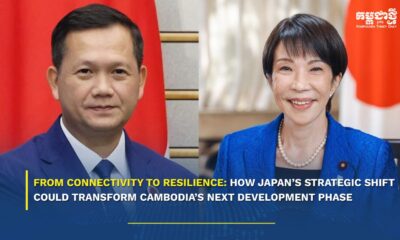
From Connectivity to Resilience: How Japan’s Strategic Shift Could Transform Cambodia’s Next Development Phase
-

 Economy2 months ago
Cambodia Welcomes 1 Million Tourists in Q1, But Arrivals Fall Sharply Amid Regional Pressures