National
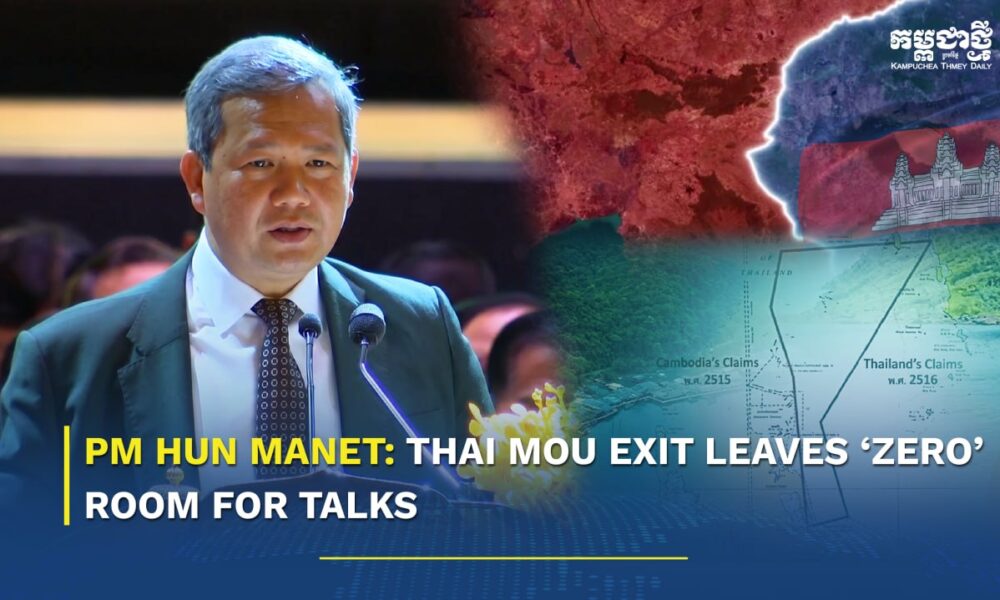
PM Hun Manet: Thai MoU Exit Leaves ‘Zero’ Room for Talks
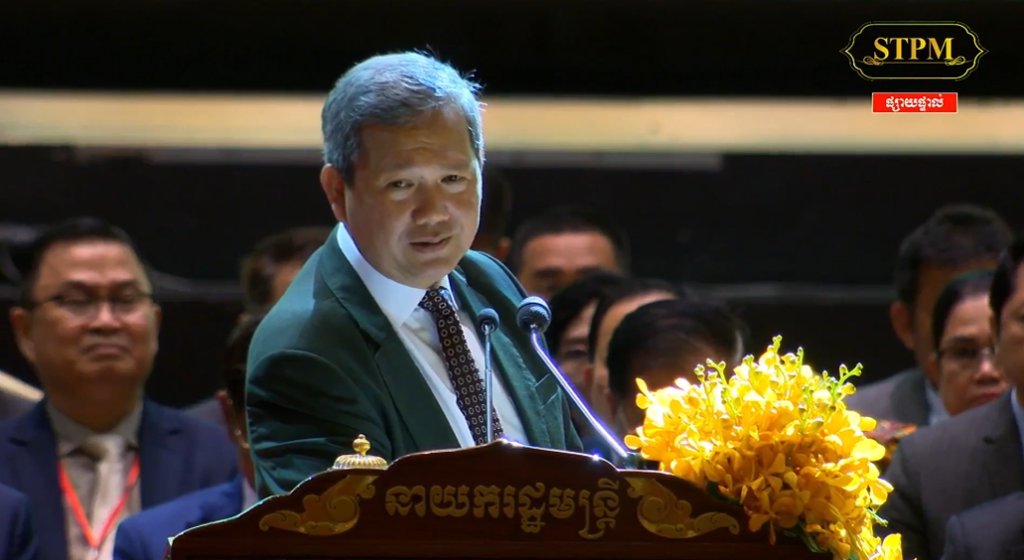
PHNOM PENH, May 15, 2026 (KPT) — Cambodian Prime Minister Samdech Thipadei Hun Manet said Friday Thailand’s withdrawal from a 2001 maritime pact has shut the door on bilateral negotiations, leaving Cambodia to pursue international legal mechanisms under the UN Convention on the Law of the Sea (UNCLOS).
Speaking at the 19th anniversary of Veterans Day in Phnom Penh, Samdech Thipadei declared that Thailand’s cancellation of the memorandum — known as MoU 2001 or MoU 44 — removed the only framework for maritime talks between the two countries.
“If the door is closed, we use international law,” he said. “It means zero per cent negotiation, and then we go directly to international law.”
Samdech Thipadei Hun Manet said Cambodia would seek compulsory conciliation under UNCLOS, describing it as a fair and just mechanism for resolving maritime disputes.
He stressed that Cambodia would have continued bilateral talks had Thailand maintained the agreement.
The prime minister also rejected accusations that Cambodia might compromise its sovereignty. “No one kneels down to cut land for another nation,” he said, vowing to uphold territorial integrity.
Thailand’s cabinet approved the cancellation on May 5, a move analysts say could complicate boundary talks and delay joint energy development in the Gulf of Thailand.
The overlapping claims area, covering some 26,000 square kilometres, is believed to contain significant reserves of natural gas and oil.
Cambodia has already announced plans to notify Thailand formally of its intention to proceed under UNCLOS.
Samdech Thipadei Hun Manet said the government remained committed to peaceful resolution but insisted that international law was now the only viable path forward.
Analysts warn prolonged disputes could undermine ASEAN’s credibility and regional stability, while delaying energy cooperation in a resource‑rich zone long viewed as vital to both nations’ growth and security.


-
 National2 months ago
Cambodia Expands Free ID Services While Introducing Clear Fee Structure for Administrative Documents
-
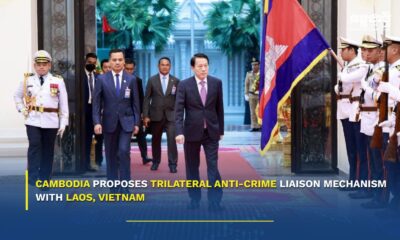
 National3 weeks ago
Cambodia proposes trilateral anti‑crime liaison mechanism with Laos, Vietnam
-
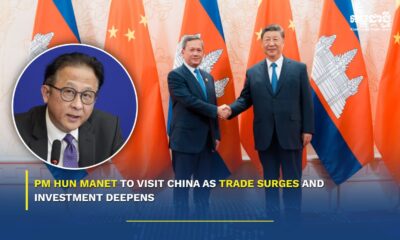
 National2 weeks ago
PM Hun Manet to visit China as trade surges and investment deepens
-
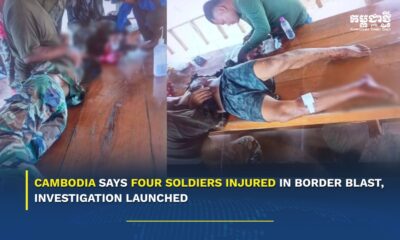
 National2 weeks ago
Cambodia says four soldiers injured in border blast, investigation launched
-
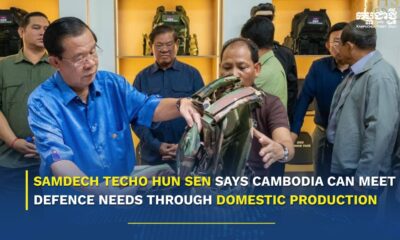
 National1 month ago
Samdech Techo Hun Sen Says Cambodia Can Meet Defence Needs Through Domestic Production
-

 National2 weeks ago
Cambodia opens new distribution hub to expand market access for local businesses
-
 Opinion2 months ago
From Connectivity to Resilience: How Japan’s Strategic Shift Could Transform Cambodia’s Next Development Phase
-
 Economy2 months ago
Cambodia Welcomes 1 Million Tourists in Q1, But Arrivals Fall Sharply Amid Regional Pressures