National
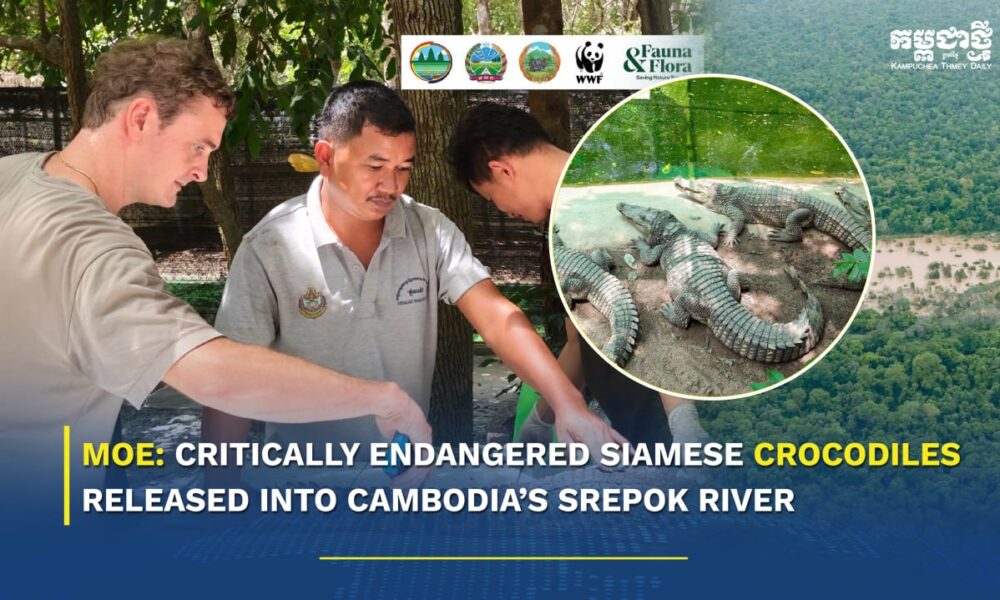
MoE: Critically Endangered Siamese Crocodiles Released Into Cambodia’s Srepok River
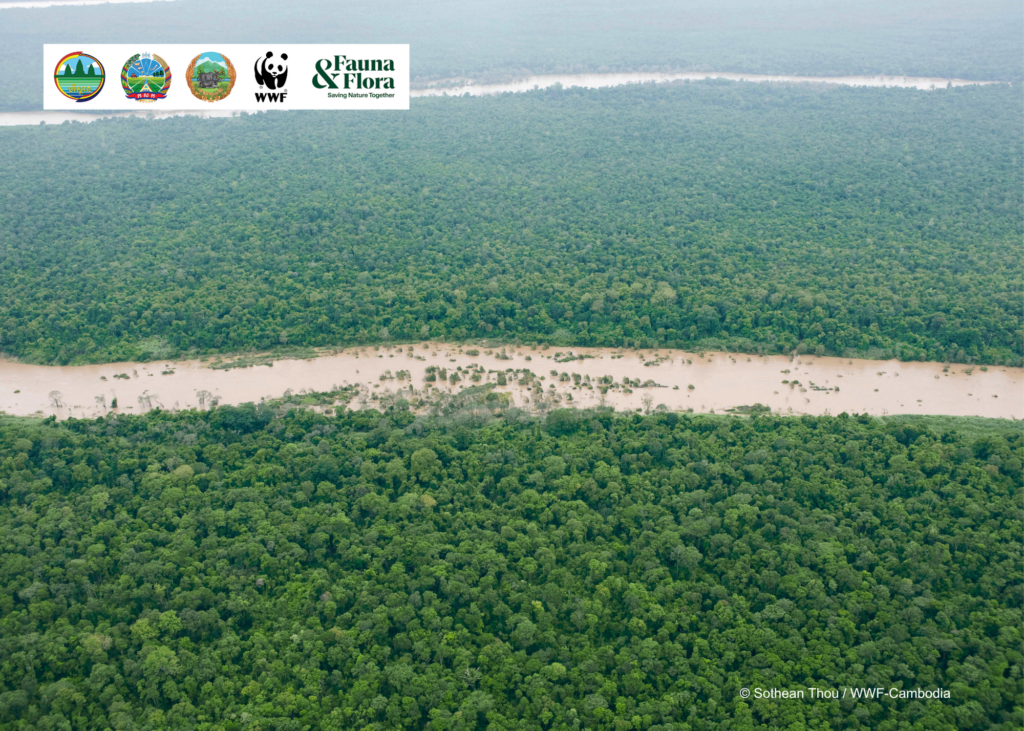
MONDULKIRI, May 21, 2026 (KPT)– Ten critically endangered Siamese crocodiles have been released into the Srepok River in northeastern Cambodia as part of efforts to restore one of the world’s rarest crocodilian species, officials said Wednesday.
The release, carried out May 22 in the Srepok Wildlife Sanctuary, was a joint initiative involving WWF-Cambodia, the Ministry of Environment, the Ministry of Agriculture, Forestry and Fisheries, Fauna & Flora, local authorities, and community partners.
The programme aims to strengthen the small and isolated crocodile population in the Srepok River system and support long-term recovery through science-based conservation measures.
The Siamese crocodile (Crocodylus siamensis) is listed as Critically Endangered on the IUCN Red List, with fewer than 1,000 believed to remain in the wild worldwide. Cambodia is considered one of the species’ last strongholds, hosting one of the largest surviving wild populations.
Environment Minister Eang Sophalleth said the release underscored Cambodia’s commitment to biodiversity protection.
“This achievement highlights the strength of collaboration between government institutions, conservation organisations and local communities working together to secure the future of the Siamese crocodile and healthy freshwater ecosystems,” he said.
WWF-Cambodia Country Director Dipankar Chyau Patnaik said the initiative is part of long-term efforts to restore the species in Cambodia’s freshwater habitats.
Fauna & Flora Country Director Horm Chandet described the release as a key step toward rebuilding sustainable wild populations.
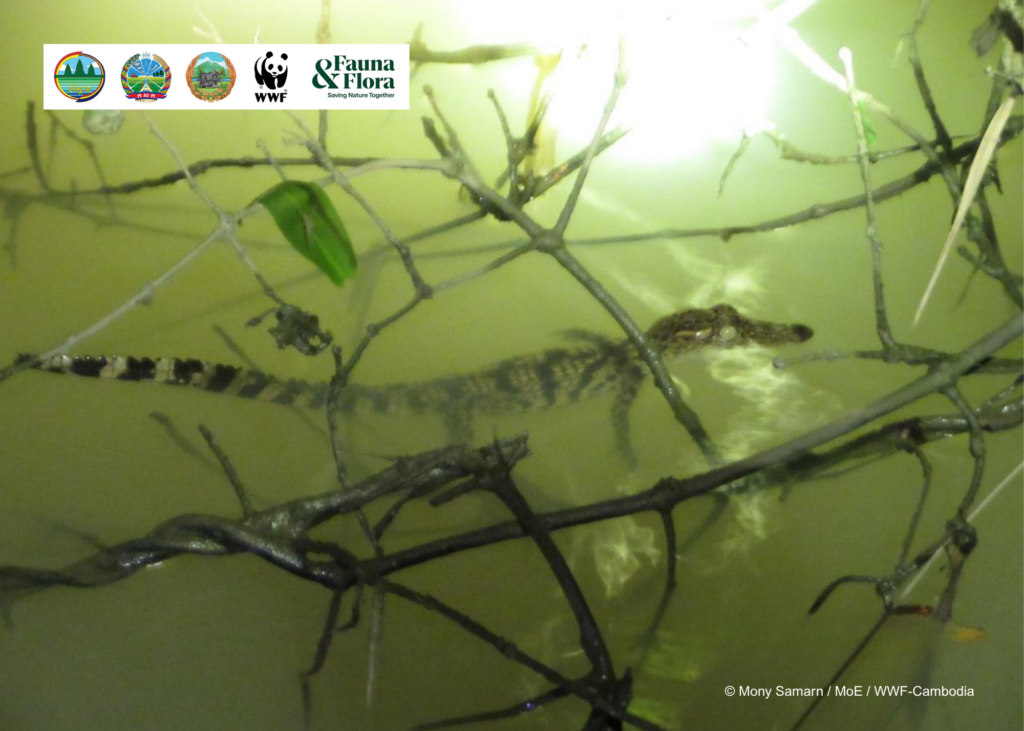
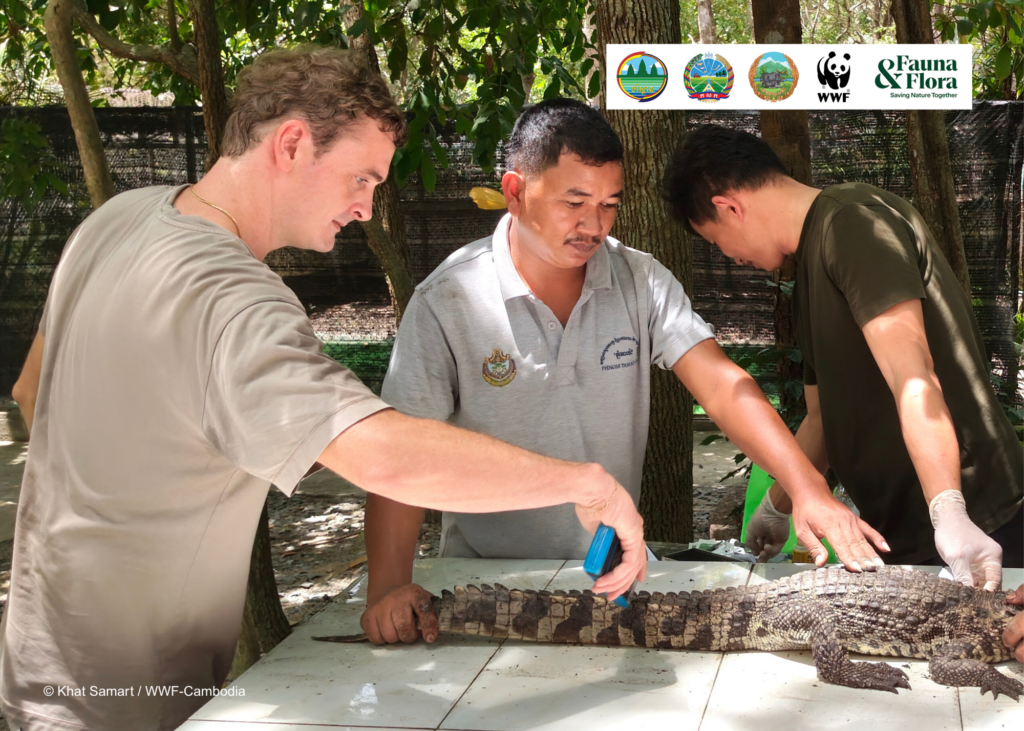
The crocodiles, bred at a genetically pure conservation facility managed by the Forestry Administration and Fauna & Flora, underwent genetic screening and health checks before release.
Each was fitted with an acoustic tracking tag to monitor movement, survival, and adaptation in the wild.
Conservation groups said the programme will also include strengthened river patrols, habitat protection, community engagement, and cooperation with Indigenous Peoples and Local Communities to reduce threats such as illegal fishing and habitat degradation.


-
 National1 month ago
Cambodia Expands Free ID Services While Introducing Clear Fee Structure for Administrative Documents
-
 National3 weeks ago
Cambodia proposes trilateral anti‑crime liaison mechanism with Laos, Vietnam
-

 National2 weeks ago
PM Hun Manet to visit China as trade surges and investment deepens
-
 National2 weeks ago
Cambodia says four soldiers injured in border blast, investigation launched
-

 National1 month ago
Samdech Techo Hun Sen Says Cambodia Can Meet Defence Needs Through Domestic Production
-

 National2 weeks ago
Cambodia opens new distribution hub to expand market access for local businesses
-
 Opinion2 months ago
From Connectivity to Resilience: How Japan’s Strategic Shift Could Transform Cambodia’s Next Development Phase
-
 Economy2 months ago
Cambodia Welcomes 1 Million Tourists in Q1, But Arrivals Fall Sharply Amid Regional Pressures