National
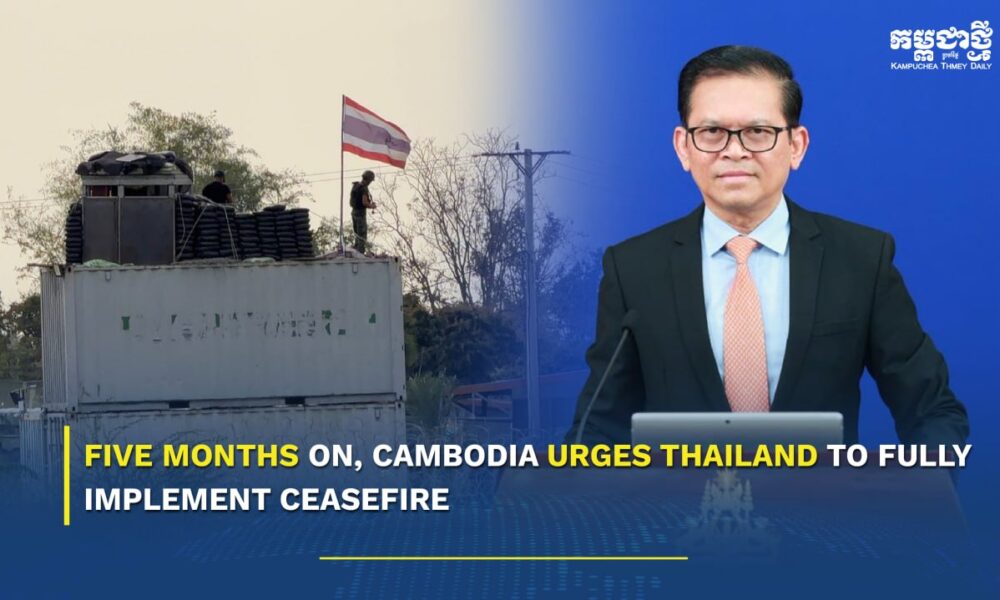
Five Months On, Cambodia Urges Thailand to Fully Implement Ceasefire
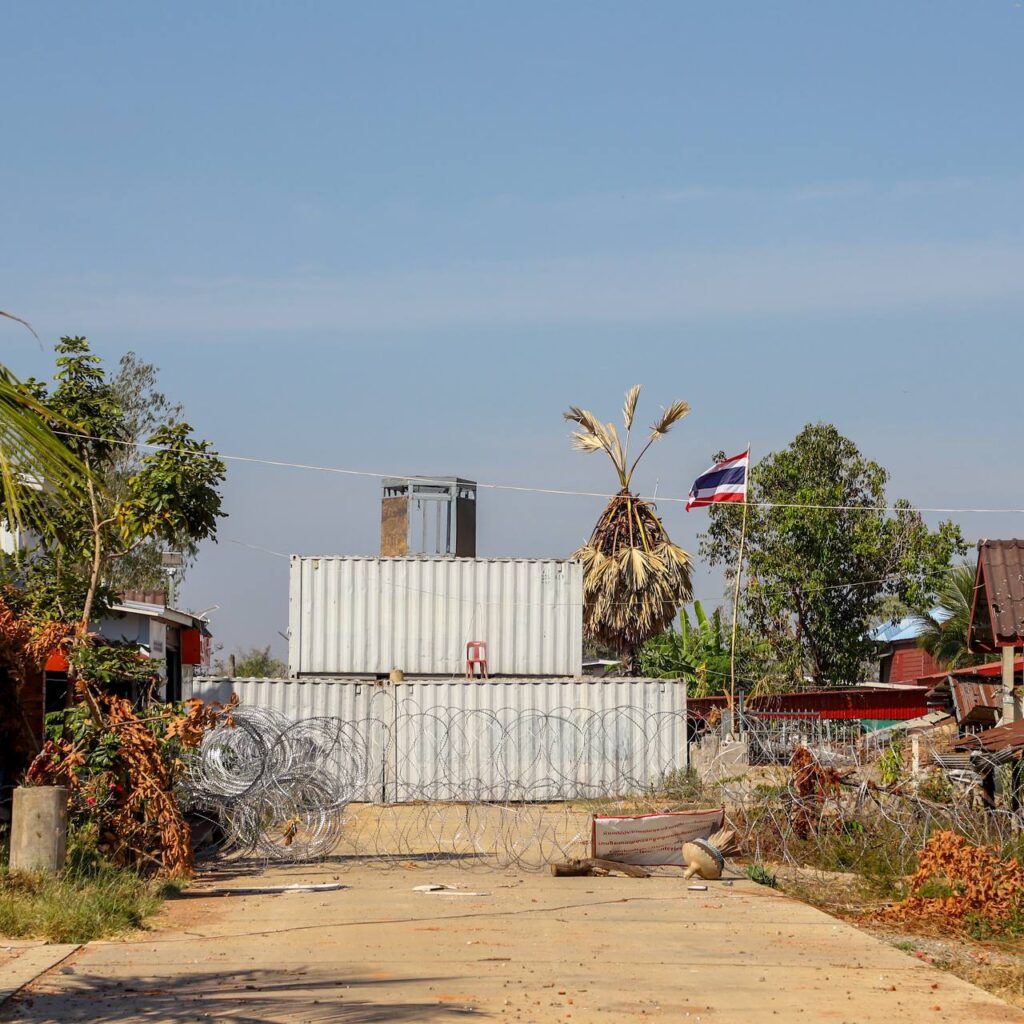
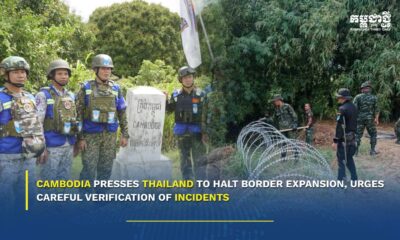
PHNOM PENH, May 27, 2026 (KPT) — Cambodia has pressed Thailand to uphold commitments under a December ceasefire agreement, reaffirming its resolve to settle border disputes through bilateral mechanisms and international law.
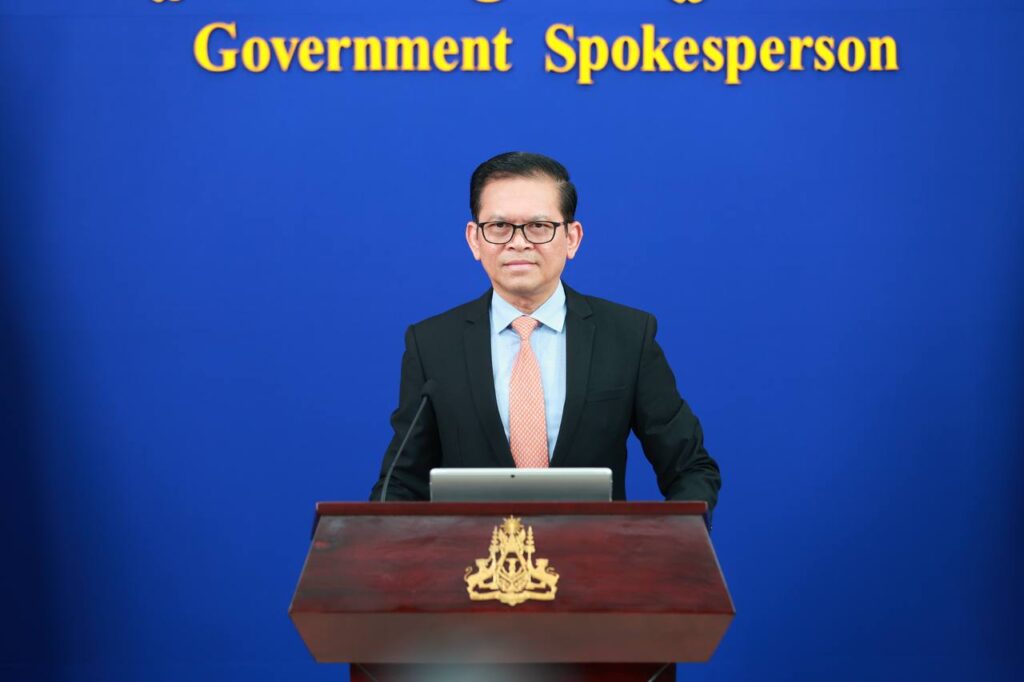
Government spokesman Pen Bona said Wednesday that Cambodia reserved its right to address frontier issues in line with treaties and conventions.
The ceasefire, signed on December 27, 2025, followed diplomatic efforts led by Cambodian leaders with support from the United States, China and ASEAN under Malaysia’s chairmanship.
The 16‑point joint statement committed both sides to halt armed activity, including attacks on civilians, infrastructure and military positions, and to refrain from troop movements across contested areas.
The agreement tasked the Joint Border Commission with accelerating demarcation work, prioritising civilian zones to allow displaced residents to return home.
The ASEAN Observer Team was assigned to monitor implementation and help prevent misunderstandings.
Bona said Cambodia remained committed to peaceful resolution and urged Thailand to fully respect the accord to ensure stability along the frontier.










-

 National1 month ago
Cambodia Expands Free ID Services While Introducing Clear Fee Structure for Administrative Documents
-
 National3 weeks ago
Cambodia proposes trilateral anti‑crime liaison mechanism with Laos, Vietnam
-

 National2 weeks ago
PM Hun Manet to visit China as trade surges and investment deepens
-

 National2 weeks ago
Cambodia says four soldiers injured in border blast, investigation launched
-

 National1 month ago
Samdech Techo Hun Sen Says Cambodia Can Meet Defence Needs Through Domestic Production
-

 National2 weeks ago
Cambodia opens new distribution hub to expand market access for local businesses
-
 Opinion2 months ago
From Connectivity to Resilience: How Japan’s Strategic Shift Could Transform Cambodia’s Next Development Phase
-

 Economy2 months ago
Cambodia Welcomes 1 Million Tourists in Q1, But Arrivals Fall Sharply Amid Regional Pressures