Opinion
Thailand’s pursuit of national ambitions despite U.S. foreign policy: Then and Now
PHNOM PENH, Jan 28, 2026 (KPT) – Cambodia’s acceptance of the Trump administration’s invitation to join the newly created Board of Peace has been hailed as a gesture of goodwill and commitment to global stability. Officials described the move as both a historic opportunity and a national honor.
Yet the announcement comes against the backdrop of unresolved tensions with Thailand, whose military occupation of 14 Cambodian areas violates U.S.-brokered ceasefire agreements.
The dispute underscores a recurring pattern in Thai foreign policy: advancing national ambitions at the expense of regional peace.
The situation recalls the post–World War II settlement of November 1946, when Washington compelled Thailand to return Cambodian territory seized during the war.
Despite declaring neutrality, Thailand allied with Japan, fought alongside its forces in Burma, and annexed Cambodian land under French protection.
Today, parallels are striking. While Cambodia embraces U.S. peace initiatives, Thai Prime Minister Anutin Charnvirakul dismissed the Board of Peace as “cute,” suggesting participation would depend solely on national interest.
Analysts note that Thailand’s posture mirrors its wartime stance—prioritizing sovereignty and expansion over collective security. The Trump administration, they argue, should hold Bangkok to account, as Washington did through the 1946 accord.
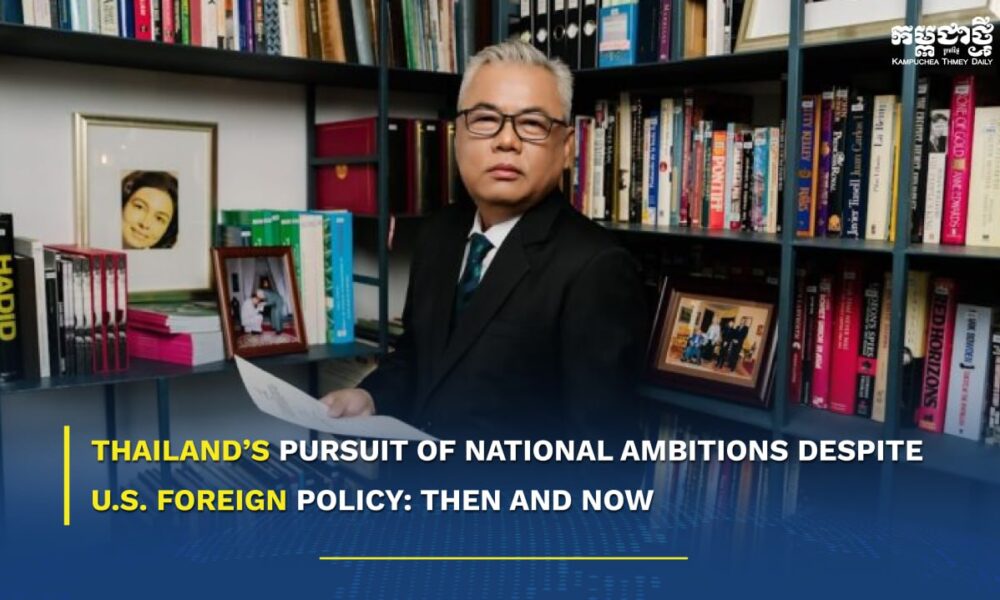
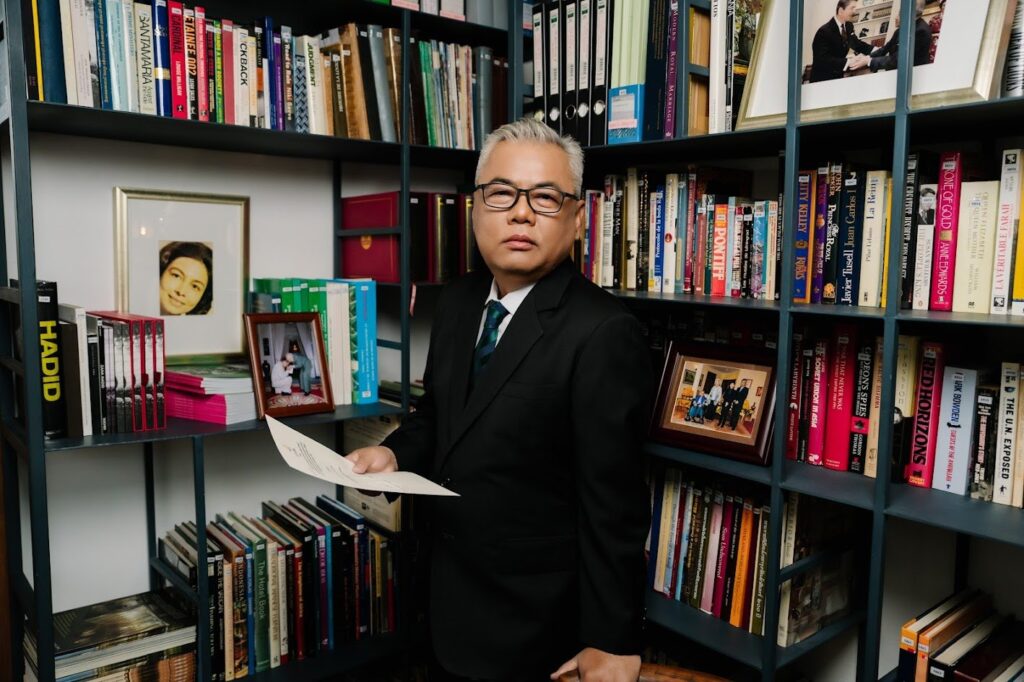
Written by Youk Chhang, Director of the Documentation Center of Cambodia, this article expresses his opinion.






-
 National2 months ago
Cambodia Expands Free ID Services While Introducing Clear Fee Structure for Administrative Documents
-
 National3 weeks ago
Cambodia proposes trilateral anti‑crime liaison mechanism with Laos, Vietnam
-
 National2 weeks ago
PM Hun Manet to visit China as trade surges and investment deepens
-

 National2 weeks ago
Cambodia says four soldiers injured in border blast, investigation launched
-
 National1 month ago
Samdech Techo Hun Sen Says Cambodia Can Meet Defence Needs Through Domestic Production
-

 National2 weeks ago
Cambodia opens new distribution hub to expand market access for local businesses
-
 Opinion2 months ago
From Connectivity to Resilience: How Japan’s Strategic Shift Could Transform Cambodia’s Next Development Phase
-
 Economy2 months ago
Cambodia Welcomes 1 Million Tourists in Q1, But Arrivals Fall Sharply Amid Regional Pressures