Opinion
News Analysis: Thai Hostilities Undermine Ceasefire as Cambodia Seeks Diplomatic Resolution
PHNOM PENH, Cambodia (Sept. 11, 2025) — Tensions remain high along the Cambodia–Thailand border, with analysts casting doubt on a swift resolution to the crisis as Thai military actions continue to violate a ceasefire agreement brokered in late July.
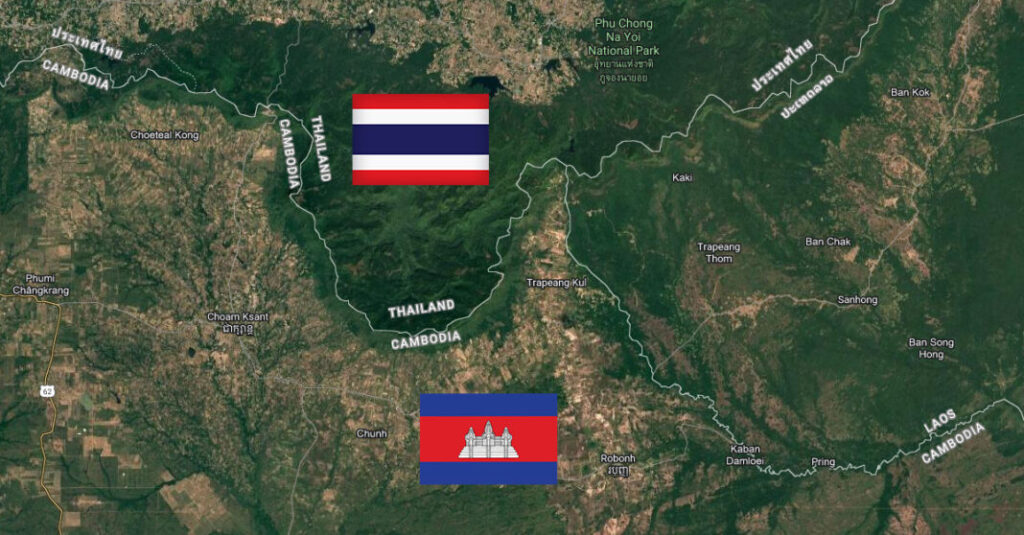
Cambodian officials have accused Thai forces of launching “unprovoked, premeditated and deliberate attacks” on July 24, targeting border positions with heavy artillery, long-range shelling, and infantry support. The Ministry of Defense further alleged that Thai F-16 fighter jets bombed the UNESCO-listed Preah Vihear Temple and deployed cluster munitions and chemical weapons against civilians—charges that, if verified, would constitute serious breaches of international law and ASEAN principles.
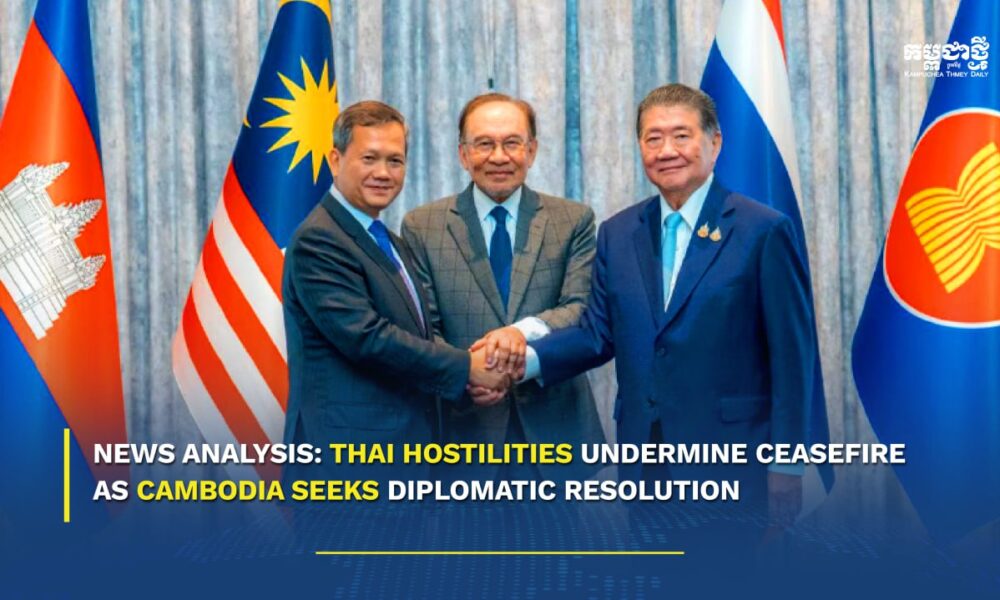
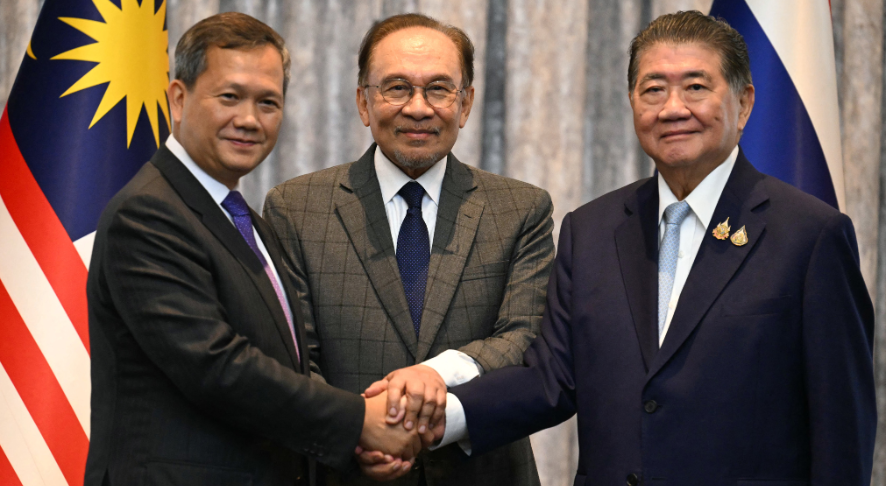
A ceasefire agreement was reached on July 28 during emergency talks in Malaysia, mediated by ASEAN Chair and Malaysian Prime Minister Anwar Ibrahim, with support from the United States and China. Cambodia claims full compliance with the truce, but reported violations began almost immediately.
On July 29, 22 Cambodian soldiers were allegedly captured by Thai forces. Subsequent incidents in August included illegal incursions, land clearing, and the placement of barricades in Preah Vihear and Banteay Meanchey provinces. Cambodian authorities say these actions undermine not only the ceasefire but also the spirit of bilateral mechanisms such as the Joint Border Committee and General Border Committee.
Analysts: Thai Domestic Politics at the Core
Cambodian analysts argue that Thailand’s internal political dynamics—particularly the military’s dominant role—are obstructing diplomatic progress.
“Since the ceasefire was declared, Thailand has not complied even once,” said Kin Phea, Director-General of the International Relations Institute at the Royal Academy of Cambodia. “We’ve seen encroachment, forced expulsions, and repeated sovereignty violations. Cambodia has exercised restraint to avoid reigniting armed conflict.”
Phea warned that even with a new Thai prime minister, the dispute is unlikely to be resolved quickly. “Territorial ambitions remain consistent across Thai political factions,” he said. “No Thai leader has ever demonstrated genuine goodwill toward Cambodia.”
Chhort Bunthang, Deputy Director General of the International Relations Institute of Cambodia (IRIC), echoed concerns about the fragile state of peace. “Despite the ceasefire, tensions remain high. Both countries have agreed to deploy ASEAN observers to monitor the situation and have scheduled further talks,” he said.
“However, unresolved issues—such as the fate of Cambodian soldiers captured by Thai troops, the expansion of conflict zones by the Thai side, and the complex nature of the border dispute—continue to pose serious challenges to long-term peace between the two nations,” Bunthang added.
He warned that Thailand’s internal political turmoil, nationalist movements, political rhetoric, diplomatic warfare, information warfare, and battles on social media continue to escalate, even though armed conflict on the battlefield has quieted. “This volatile situation has significantly hindered efforts to restore normal relations between the two countries,” he said.
Call for Stronger ASEAN Mediation
Vannarith Chheang, Chairman of the Angkor Social Innovation Park, attributed the crisis to unresolved sovereignty disputes rooted in conflicting border maps. He urged Cambodia to continue leveraging international mechanisms and called for stronger ASEAN engagement.
“Strategic patience is critical,” Chheang said. “ASEAN must be empowered to mediate effectively.”
On Sept. 4, Cambodia’s Ministry of Foreign Affairs lodged a formal protest against Thai military encroachment. The European Union also weighed in, with EU foreign affairs spokesperson Anitta Hipper urging both sides to uphold the ceasefire and prioritize regional stability.
Separately, Cambodian Human Rights Committee President Keo Ramy filed a complaint with the UN Office of the High Commissioner for Human Rights, accusing Thai forces of unilateral and unlawful actions.
The Cambodian government reiterated its commitment to peaceful resolution through international law and called on Thailand to return to the status quo ante and resume dialogue via established bilateral frameworks.

-
 National2 months ago
Cambodia Expands Free ID Services While Introducing Clear Fee Structure for Administrative Documents
-
 National3 weeks ago
Cambodia proposes trilateral anti‑crime liaison mechanism with Laos, Vietnam
-
 National3 weeks ago
PM Hun Manet to visit China as trade surges and investment deepens
-
 National2 weeks ago
Cambodia says four soldiers injured in border blast, investigation launched
-
 National1 month ago
Samdech Techo Hun Sen Says Cambodia Can Meet Defence Needs Through Domestic Production
-

 National2 weeks ago
Cambodia opens new distribution hub to expand market access for local businesses
-
 Opinion2 months ago
From Connectivity to Resilience: How Japan’s Strategic Shift Could Transform Cambodia’s Next Development Phase
-
 Economy2 months ago
Cambodia Welcomes 1 Million Tourists in Q1, But Arrivals Fall Sharply Amid Regional Pressures