Economy
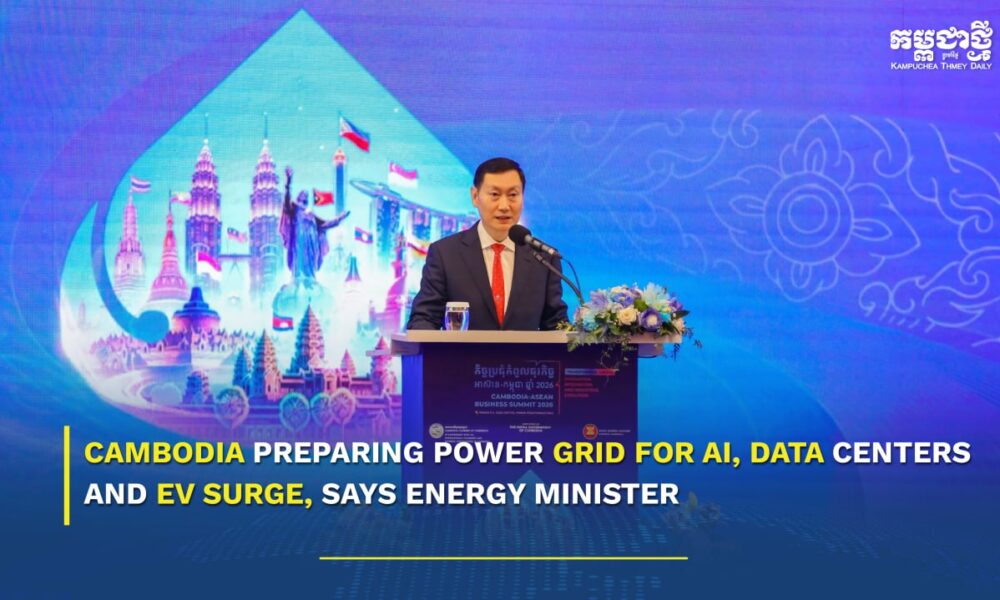
Cambodia preparing power grid for AI, data centers and EV surge, says energy minister
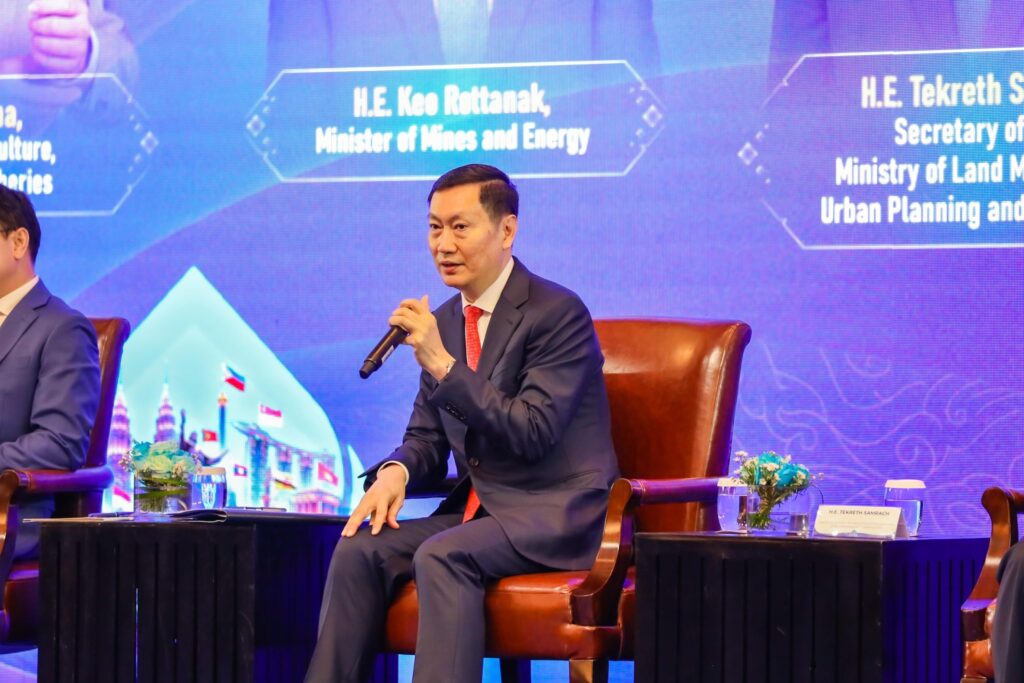
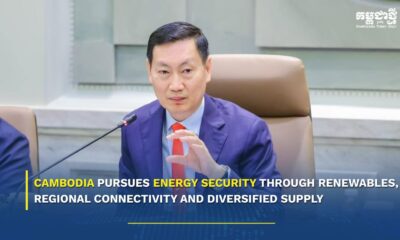
PHNOM PENH, March 5, 2026 (KPT) – Cambodia is preparing its power grid to meet rapidly changing electricity demand driven by artificial intelligence (AI), data centers and the electrification of transport, Energy Minister Keo Rattanak said Wednesday at the Cambodia–ASEAN Business Summit.
Addressing CEOs, investors and policymakers, Rattanak said the digital economy is reshaping energy consumption patterns across Southeast Asia, requiring more advanced planning and grid flexibility.
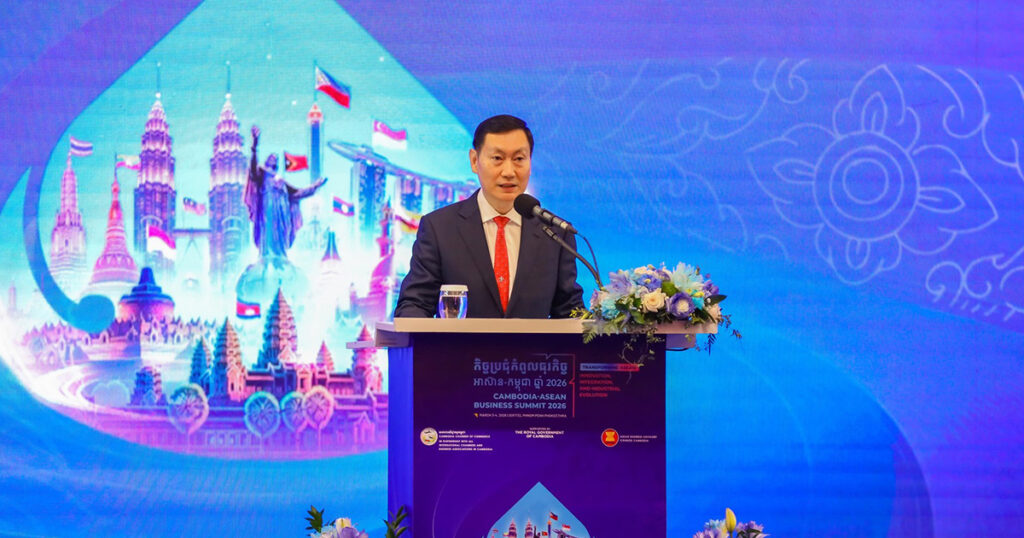
“Digital services may feel weightless, but they rely on industrial-scale power,” he said, noting that the rise of AI and cloud computing is driving the construction of large data centers with continuous electricity demand.
Across Southeast Asia, demand for data centers is expected to more than double by 2030, he added. In Cambodia, rising incomes and temperatures are increasing electricity use for air conditioning, while transport is beginning to electrify as electric vehicle (EV) adoption grows.
To prepare for that transition, the ministry plans to expand EV charging infrastructure and introduce a single national digital platform allowing users to locate and pay for charging services across providers.
Cambodia’s energy strategy is focused on anticipating future demand and ensuring electricity remains reliable and affordable as the economy modernizes, Rattanak said.
At the same time, the country is strengthening its grid to accommodate higher shares of renewable energy. Cambodia has commissioned its first grid-forming battery energy storage system to help maintain voltage and frequency stability as solar and wind generation expand.
The country has already procured more than 160 megawatts of utility-scale battery storage, with a pipeline targeting around 2,000 MW. In addition, the government is developing 1,000 MW of pumped-storage hydropower to balance seasonal supply.
Cambodia currently derives more than 60 percent of its power capacity from renewable sources and aims to reach about 70 percent by 2030.
“Energy security will decide the map of industry in the coming decades,” Rattanak said, adding that reliability and sustainability will be key factors in attracting future investment.







-
 National2 months ago
Cambodia Expands Free ID Services While Introducing Clear Fee Structure for Administrative Documents
-
 National3 weeks ago
Cambodia proposes trilateral anti‑crime liaison mechanism with Laos, Vietnam
-
 National3 weeks ago
PM Hun Manet to visit China as trade surges and investment deepens
-

 National2 weeks ago
Cambodia says four soldiers injured in border blast, investigation launched
-

 National1 month ago
Samdech Techo Hun Sen Says Cambodia Can Meet Defence Needs Through Domestic Production
-
 National2 weeks ago
Cambodia opens new distribution hub to expand market access for local businesses
-
 Opinion2 months ago
From Connectivity to Resilience: How Japan’s Strategic Shift Could Transform Cambodia’s Next Development Phase
-
 Economy2 months ago
Cambodia Welcomes 1 Million Tourists in Q1, But Arrivals Fall Sharply Amid Regional Pressures