Education
UNESCO hails Cambodia’s BEEP as innovative TVET model for out-of-school youth
PHNOM PENH, Feb 19, 2026 (KPT) – Cambodia’s Basic Education Equivalency Programme (BEEP) has been recognized by UNESCO’s International Centre for Technical and Vocational Education and Training (UNEVOC) as an “Innovative and Promising Practice” in TVET, the organisation announced Wednesday.
UNESCO Cambodia said the programme highlights national efforts to expand access to education and skills development for out-of-school youth.
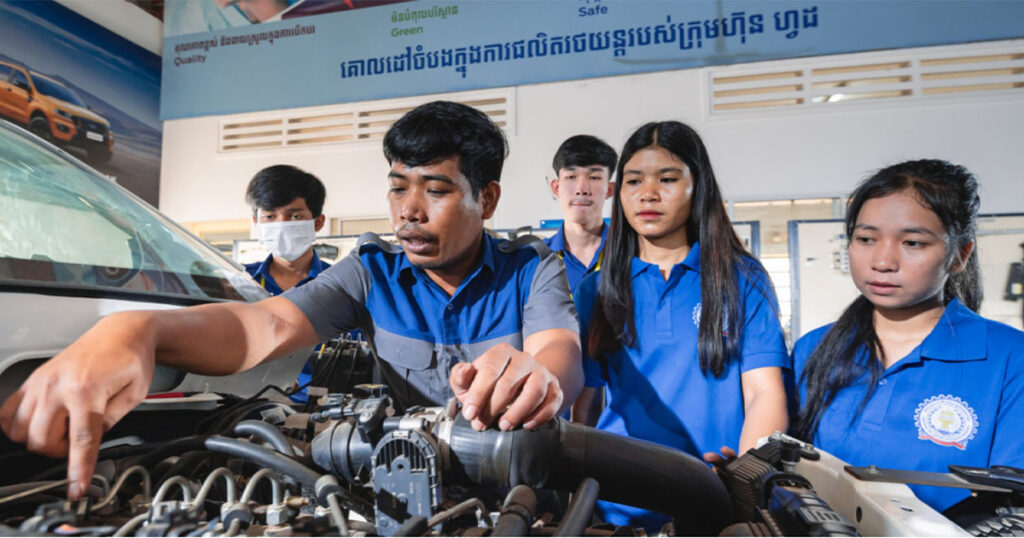
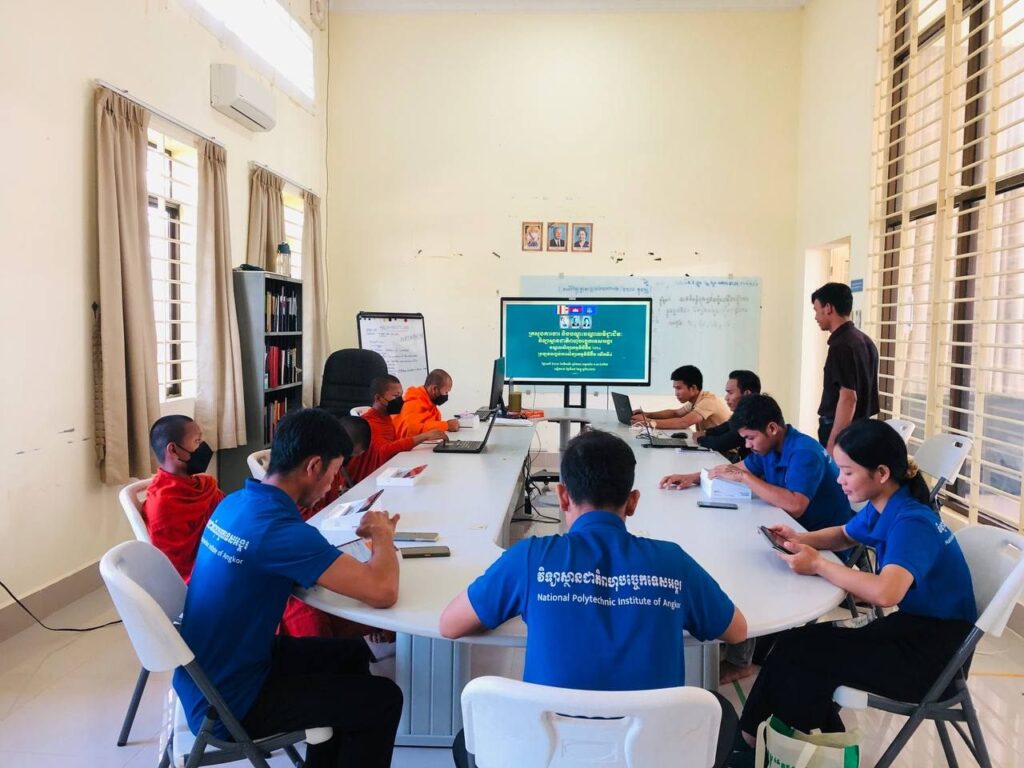
Jointly implemented by UNESCO, the Ministry of Education, Youth and Sport, and the Ministry of Labour and Vocational Training, BEEP offers flexible, self-paced learning that allows young people to continue working while pursuing studies.
Operating through 44 centres in 19 provinces, the programme has reached more than 4,300 learners. Accredited by both ministries, it leads to a Grade 9 equivalency certificate, opening pathways to technical high schools and vocational institutions.
UNESCO said the recognition underscores Cambodia’s growing role in advancing inclusive education models that connect alternative learning with recognized qualifications, helping youth access training, employment and better prospects.












-

 National2 months ago
Cambodia Expands Free ID Services While Introducing Clear Fee Structure for Administrative Documents
-
 National3 weeks ago
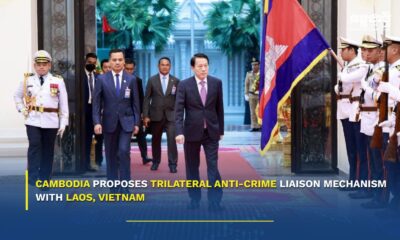
Cambodia proposes trilateral anti‑crime liaison mechanism with Laos, Vietnam
-

 National2 weeks ago
PM Hun Manet to visit China as trade surges and investment deepens
-

 National2 weeks ago
Cambodia says four soldiers injured in border blast, investigation launched
-

 National1 month ago
Samdech Techo Hun Sen Says Cambodia Can Meet Defence Needs Through Domestic Production
-

 National2 weeks ago
Cambodia opens new distribution hub to expand market access for local businesses
-
 Opinion2 months ago
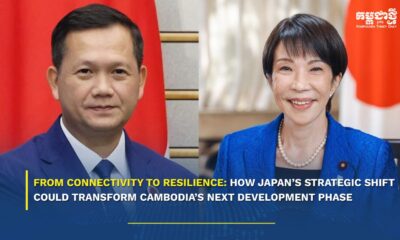
From Connectivity to Resilience: How Japan’s Strategic Shift Could Transform Cambodia’s Next Development Phase
-
 Economy2 months ago
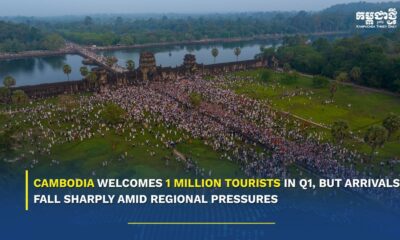
Cambodia Welcomes 1 Million Tourists in Q1, But Arrivals Fall Sharply Amid Regional Pressures