National
Keo Remy says housing for displaced families does not signal territorial concession
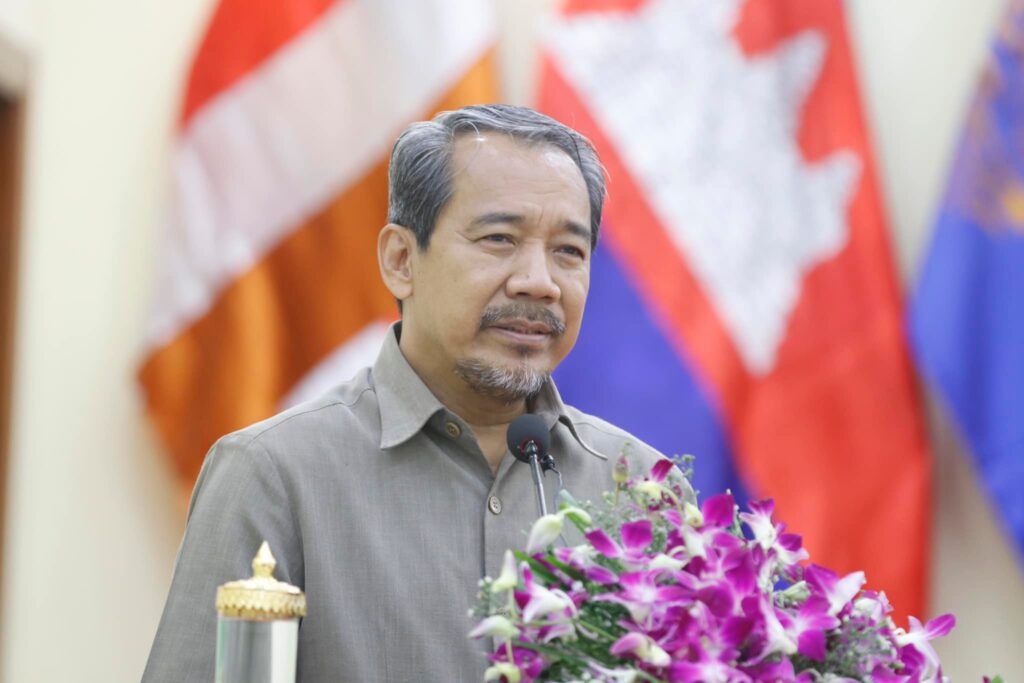
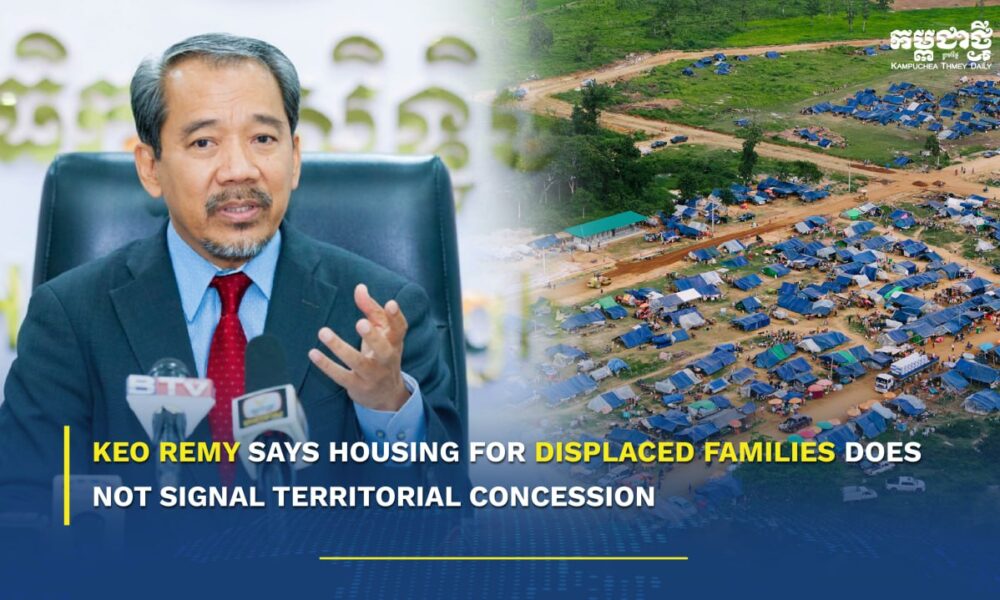
PHNOM PENH, 17 February 2026 (KPT) – Cambodia’s Senior Minister and Chairman of the Cambodian Human Rights Committee, Keo Remy, has insisted that building homes for displaced residents does not amount to recognising any loss of territory.
In a Facebook post on 17 February, Remy said the government was using “all available means” to reclaim land from Thai troops, stressing that recovering territory could not be achieved quickly.
He explained that constructing houses for families displaced by what Cambodia describes as Thai incursions was a long-term measure to ensure their welfare while border issues remain unresolved.
“This is not a matter to be taken lightly or resolved in a short time, whether in a week or a month,” he wrote.
“If a long period is required to reclaim our land and homes for our people, have we considered whether our displaced citizens should live under plastic tents for years or even decades?”
Remy rejected criticism from government opponents, saying that providing housing or temporary shelters should not be interpreted as an acknowledgment of territorial loss.
He added that authorities must address residents’ living conditions before the onset of the rainy season.
The government announced last week that it would construct temporary shelters for displaced citizens. Each house will be built on a 20-by-30 metre plot, with supporting infrastructure for daily living.
Officials said the properties would revert to the state once border disputes are resolved and residents are able to return to their original villages.
Cambodian authorities say that since what they describe as Thailand’s second incursion in 2025, 14 locations along the border – including areas in Pursat, Battambang, Banteay Meanchey, Oddar Meanchey and Preah Vihear provinces – have been affected, displacing large numbers of residents.
Although a ceasefire has been reached, officials estimate that about 75,000 people remain unable to return home.





-
 National2 months ago
Cambodia Expands Free ID Services While Introducing Clear Fee Structure for Administrative Documents
-
 National3 weeks ago
Cambodia proposes trilateral anti‑crime liaison mechanism with Laos, Vietnam
-
 National2 weeks ago
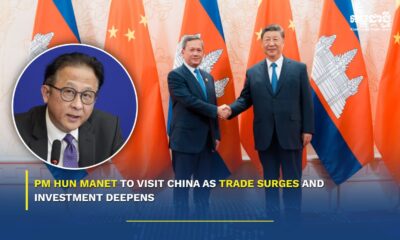
PM Hun Manet to visit China as trade surges and investment deepens
-
 National2 weeks ago
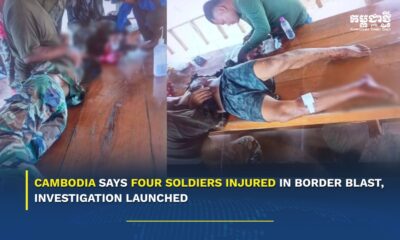
Cambodia says four soldiers injured in border blast, investigation launched
-
 National1 month ago
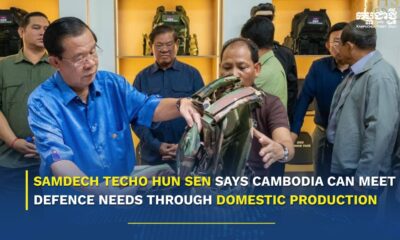
Samdech Techo Hun Sen Says Cambodia Can Meet Defence Needs Through Domestic Production
-
 National2 weeks ago
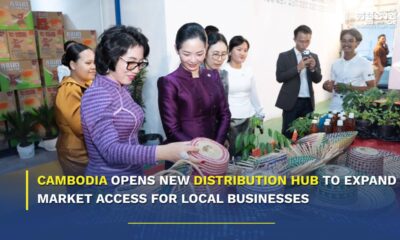
Cambodia opens new distribution hub to expand market access for local businesses
-
 Opinion2 months ago
From Connectivity to Resilience: How Japan’s Strategic Shift Could Transform Cambodia’s Next Development Phase
-
 Economy2 months ago
Cambodia Welcomes 1 Million Tourists in Q1, But Arrivals Fall Sharply Amid Regional Pressures