Economy
ADB Approves $763 Million Program to Boost Cambodia’s Urban Water Security, Climate Resilience
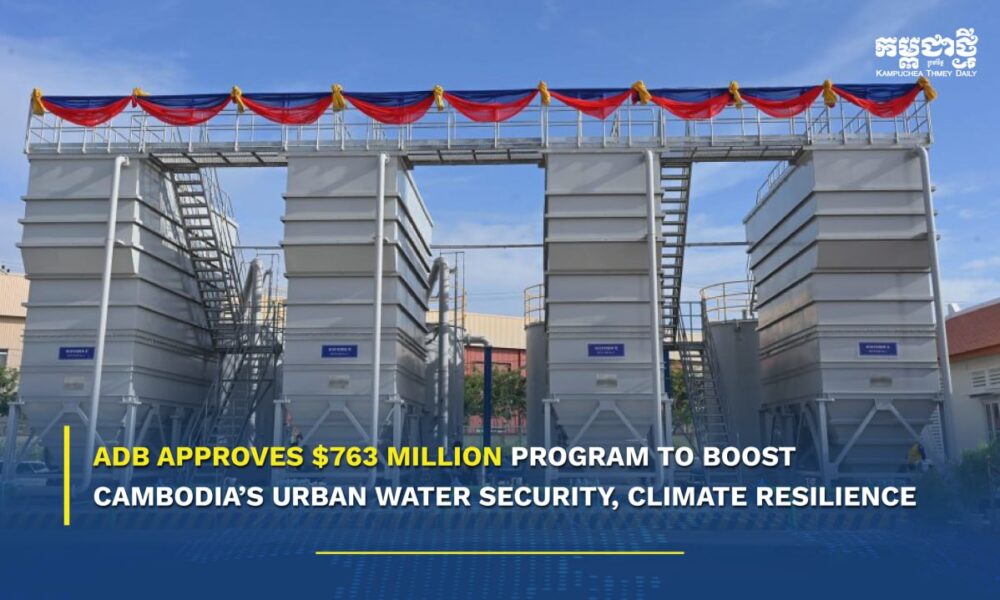
MANILA, Philippines (Dec. 1, 2025) — The Asian Development Bank has approved a $763 million investment program to help Cambodia expand safe water supply and sanitation, strengthen water security, and build climate-resilient cities amid rising urbanization and climate risks.

The Livable, Resilient, and Water-Secure Cities Investment Program includes a $20 million grant from the Asian Development Fund and will improve basic services in 14 cities and 12 districts across the Mekong, Tonle Sap and coastal regions. About 15% of direct beneficiaries are expected to come from poor households.
“This investment program will help Cambodia build inclusive, climate-resilient urban services that support not only livability but also productivity and competitiveness,” said ADB Country Director for Cambodia Yasmin Siddiqi. She said the program aims to directly benefit more than 2 million people, ensuring vulnerable communities are not left behind.
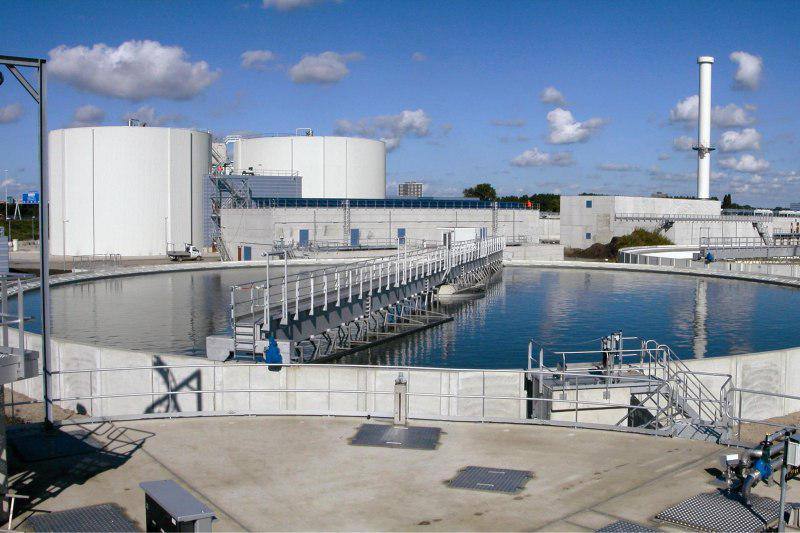
Cambodia has made progress in expanding access to water and sanitation, with coverage rising to nearly 83% in 2024 from 73% and 54% respectively in 2015. But sewerage, drainage and solid waste management remain underdeveloped, leaving cities exposed to extreme weather.
ADB warned that more than half of Cambodia’s population faces climate-related risks. Without adaptation measures such as improved drainage, annual losses could reach $10.6 billion by 2050, cutting gross domestic product by up to 10%. Urban populations are projected to grow nearly 48% by 2040, intensifying demand for resilient infrastructure.
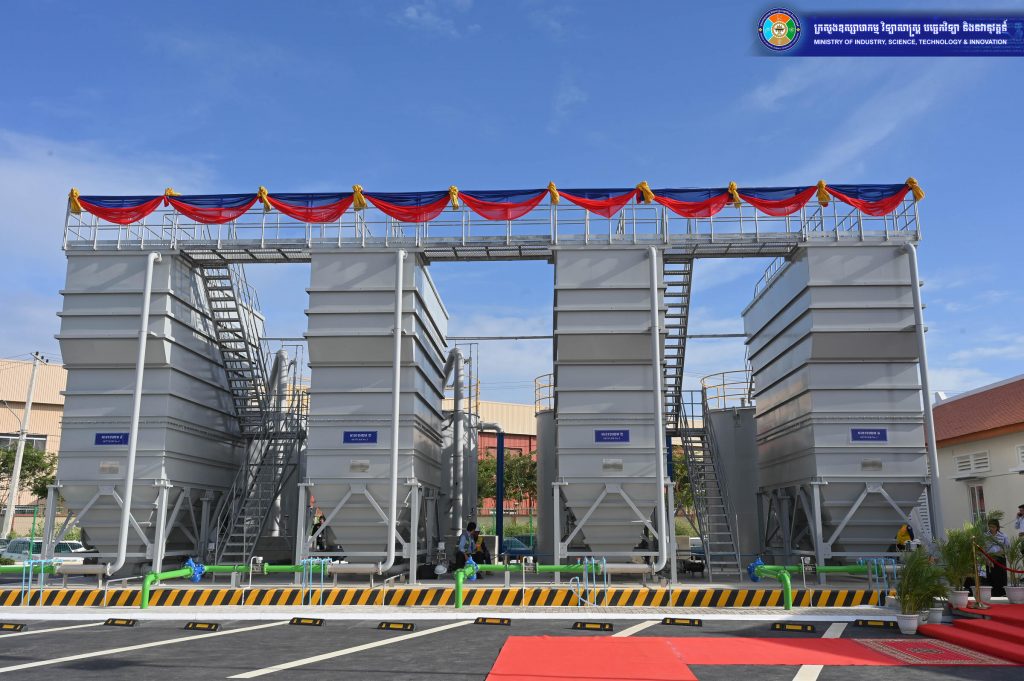
The program, aligned with Cambodia’s urban resilience and poverty reduction goals, will be implemented in four tranches with an overall cost of $966 million. A phased approach will allow agencies to build capacity and integrate lessons learned to sustain long-term impact.
The ADF, which supports the poorest countries in Asia and the Pacific, has helped 384,000 people escape poverty and generated 500,000 jobs between 2021 and 2024.













-
 National2 months ago
Cambodia Expands Free ID Services While Introducing Clear Fee Structure for Administrative Documents
-

 National3 weeks ago
Cambodia proposes trilateral anti‑crime liaison mechanism with Laos, Vietnam
-

 National2 weeks ago
PM Hun Manet to visit China as trade surges and investment deepens
-

 National2 weeks ago
Cambodia says four soldiers injured in border blast, investigation launched
-

 National1 month ago
Samdech Techo Hun Sen Says Cambodia Can Meet Defence Needs Through Domestic Production
-

 National2 weeks ago
Cambodia opens new distribution hub to expand market access for local businesses
-
 Opinion2 months ago
From Connectivity to Resilience: How Japan’s Strategic Shift Could Transform Cambodia’s Next Development Phase
-
 Economy2 months ago
Cambodia Welcomes 1 Million Tourists in Q1, But Arrivals Fall Sharply Amid Regional Pressures