National
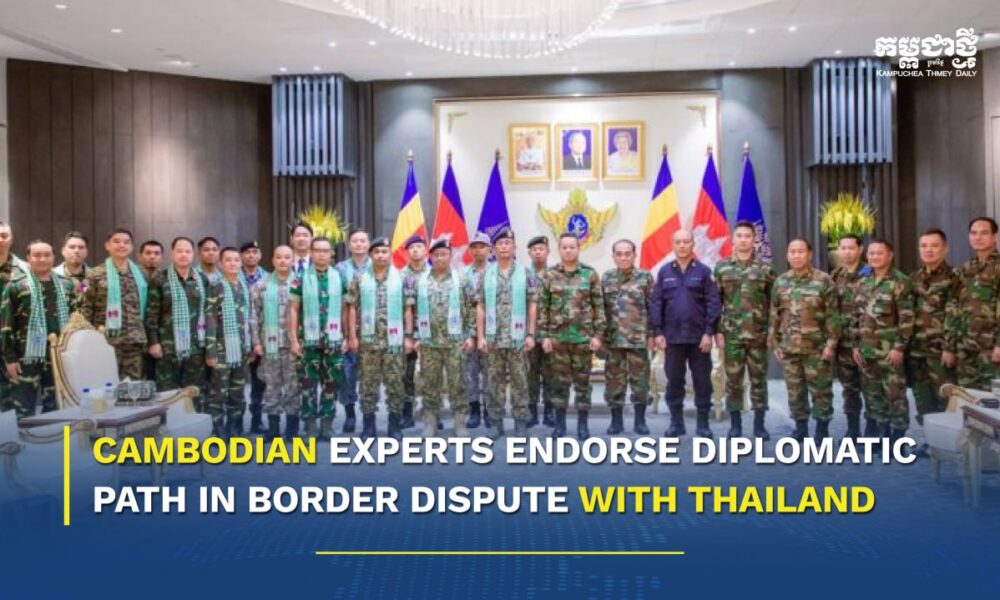
Cambodian Experts Endorse Diplomatic Path in Border Dispute with Thailand
PHNOM PENH, Cambodia (Oct.01, 2025) — Cambodian experts have voiced strong support for the government’s diplomatic strategy to resolve escalating border tensions with Thailand, warning that the current dispute could surpass the length and severity of the 2008–2012 conflict if unilateral actions persist.
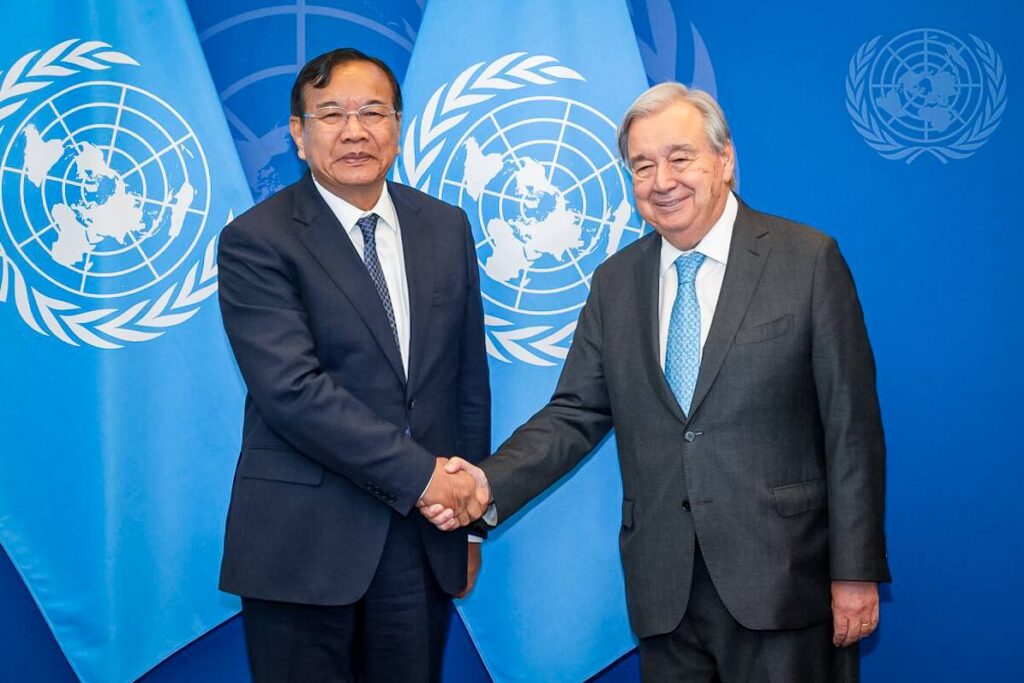
Their remarks follow a speech by Deputy Prime Minister and Foreign Minister Prak Sokhonn at the 80th United Nations General Assembly in New York, where he condemned Thailand’s use of force and non-recognized maps to assert territorial claims. He also cited violations of the July 28 ceasefire agreement and accused Thailand of undermining Cambodia’s sovereignty.
Kin Phea, Director-General of the International Relations Institute at the Royal Academy of Cambodia, said Sokhonn’s address exposed Thailand’s aggressive conduct to the global community. “Barbed wire, military intimidation, and forced evictions must be brought to light,” he said. “What the Foreign Minister said reflects the reality on the ground.”
Phea emphasized that Cambodia’s diplomatic approach aligns with international law and has gained support from global leaders and institutions. He urged the international community to pressure Thailand to respect existing treaties, the UN Charter, and prior bilateral agreements.
“Solving the border dispute through international mechanisms is the only way to ensure peaceful coexistence between the two neighbors,” he added. “Cambodia is committed to peace, but we cannot ignore continued violations.”
Since the ceasefire agreement brokered in Malaysia, Cambodia has fully complied, Phea said. However, he noted repeated Thai violations, including military provocations and incursions into Cambodian territory. He called on Thailand’s government and armed forces to uphold the terms of the ceasefire and respect international legal norms.
Yong Pov, Secretary-General of the Royal Academy of Cambodia, echoed similar concerns. He warned that military solutions and unilateral demands by Thailand would only deepen the crisis and risk long-term instability.
“We cannot resolve this issue with force. Even if Thailand has a stronger military, war benefits no one,” Pov said. “Diplomacy is the only way forward. Otherwise, this dispute could drag on for another hundred years.”
He cited recent artillery exchanges near the An Seh checkpoint as evidence of ongoing provocations, suggesting that the current standoff could outlast the previous dispute, which ended in 2012 after International Court of Justice involvement.
During his UN speech, Prak Sokhonn condemned Thailand’s forced evictions of Cambodian villagers, the threat of martial law, and the occupation of disputed areas. He reaffirmed Cambodia’s commitment to peaceful resolution and international law, stressing that Cambodian forces have shown restraint, even when accused of initiating hostilities on September 27.
“The continuation of unilateral actions to assert territorial sovereignty through military force instead of agreed mechanisms is deeply regrettable,” Sokhonn stated.







-
 National2 months ago
Cambodia Expands Free ID Services While Introducing Clear Fee Structure for Administrative Documents
-
 National3 weeks ago
Cambodia proposes trilateral anti‑crime liaison mechanism with Laos, Vietnam
-
 National3 weeks ago
PM Hun Manet to visit China as trade surges and investment deepens
-
 National2 weeks ago
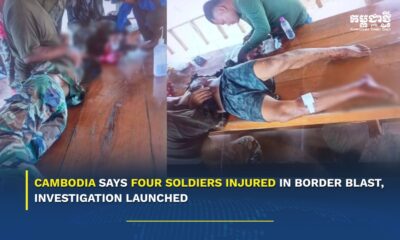
Cambodia says four soldiers injured in border blast, investigation launched
-
 National1 month ago
Samdech Techo Hun Sen Says Cambodia Can Meet Defence Needs Through Domestic Production
-

 National2 weeks ago
Cambodia opens new distribution hub to expand market access for local businesses
-
 Opinion2 months ago
From Connectivity to Resilience: How Japan’s Strategic Shift Could Transform Cambodia’s Next Development Phase
-
 Economy2 months ago
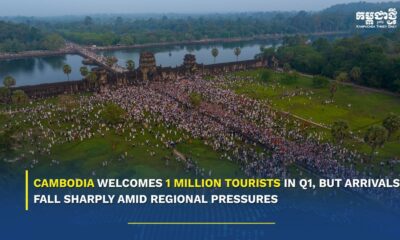
Cambodia Welcomes 1 Million Tourists in Q1, But Arrivals Fall Sharply Amid Regional Pressures