
Economy
Opinion: Who Imported Chinese Online Casino Scams into ASEAN?
By Dr. Thourn Sinan — Spiritual & Tourism Professional
The Yingluck Era: When Investments Shifted Shadows
During the Yingluck Shinawatra government (2011–2014), Thailand saw an unprecedented wave of foreign capital, especially from Chinese investors. Hotels and resorts in Chiang Mai, Chiang Rai, Phuket, Pattaya, and Bangkok were acquired via Thai proxies and Chinese-Thai nominees, navigating restrictions on foreign ownership.
While these moves looked like normal investment, the truth is that they provided a convenient cover for the importation of Chinese-linked online casino and scamming operations. Thailand’s tourism boom gave the perfect mask for what would become one of ASEAN’s most destructive underground economies.
From Thailand to the Mekong Scam Belt
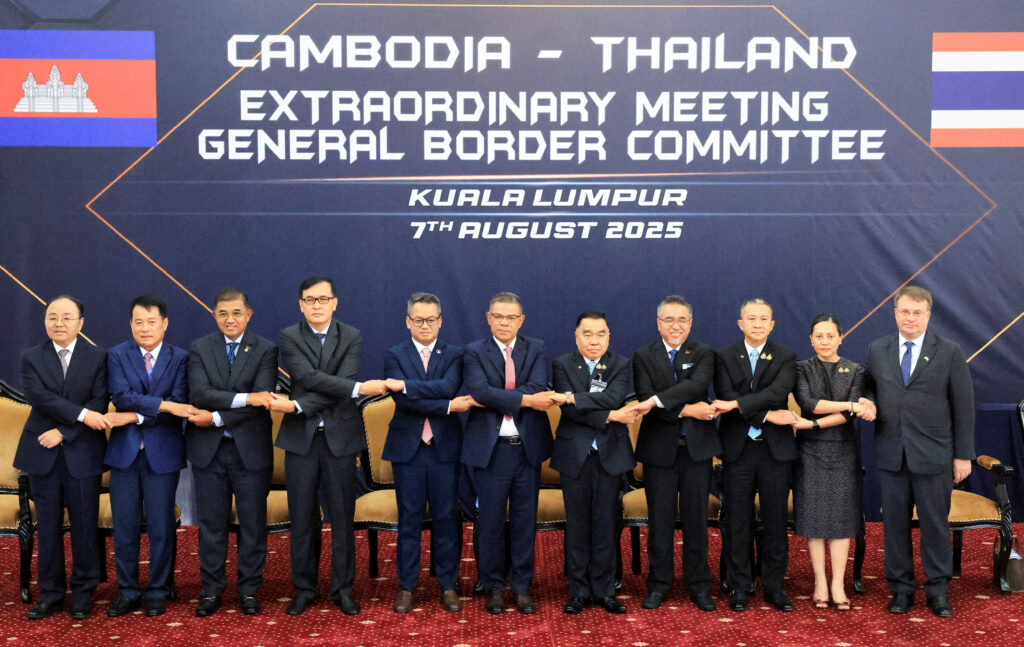
When Yingluck’s government was overthrown in 2014, the scam networks did not dissolve—they relocated. Cambodia, Laos, and Myanmar became the new strongholds. UNODC’s 2023 and 2025 reports detail how industrial-scale scam compounds flourished in these countries, often coercing trafficked workers into forced online fraud . INTERPOL (2025) confirms that victims now come from more than 60 countries worldwide .
Yet, despite the geographic shift, the heart of the networks remained connected back to Thailand. The pattern shows not accidental relocation, but a strategic migration masterminded by Thaksin Shinawatra himself.
Thaksin’s Recent Push for Casinos in Thailand
Most revealing is what happened recently. In 2024–2025, under his daughter Paetongtarn Shinawatra’s leadership as Prime Minister, Thaksin strongly lobbied for the legalisation of casinos and online gambling inside Thailand.
- Reuters reported Thaksin’s proposals: gambling regulated via digital ID, government dashboards, and taxation, potentially generating up to 100 billion baht annually .
- Thai PBS and the Bangkok Post covered how Paetongtarn’s government positioned this plan as “modernisation,” while many Thai politicians and the public opposed it strongly, arguing it would normalise criminal networks instead of dismantling them.

To me, this reveals that Thaksin has already accepted the truth—that casinos and online scams are easier ways to generate wealth than traditional business. By advocating to legalise them at home, he implicitly admitted what has long been denied.
Border Casinos and Political Duplicity
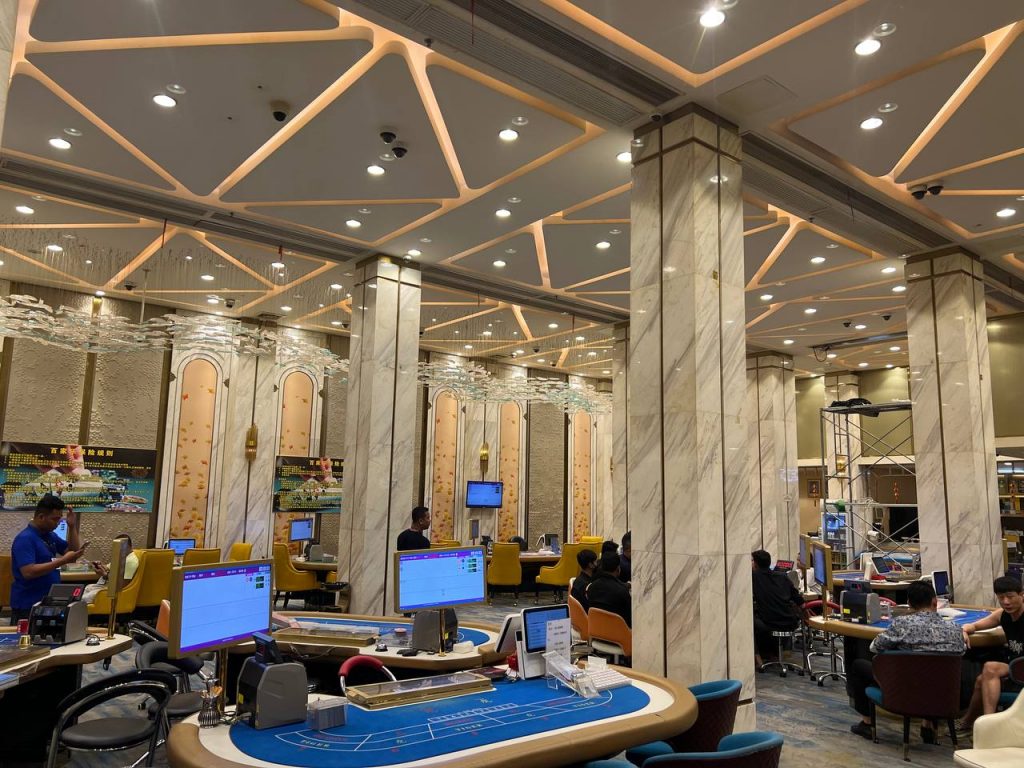
The evidence is plain: most casinos in Cambodia and Myanmar are positioned just across the Thai border. According to my research, many so-called local owners remain deeply connected with Thaksin’s networks. Their placement is deliberate, ensuring access to Thai customers while avoiding Thai law.
Yet, despite this, Paetongtarn Shinawatra’s government keeps accusing Cambodia and Myanmar of endangering Thailand with scam compounds and cross-border threats . These accusations serve a political purpose—shifting public anger outward.
But the truth is different: the operations are managed and masterminded by Thaksin Shinawatra himself. The border locations are not a coincidence—they are the architecture of a system designed under his influence.
The Toll on Thailand
The cost is devastating:
- Over 400,000 scam cases in 2024, with damages above 60 billion baht .
- In the first half of 2025 alone, more than 166,000 cases were recorded, causing nearly 15 billion baht in losses .
- Less than 2% of funds stolen are ever recovered.
This crisis is not just a law-enforcement problem. It is the product of a political economy in which the mastermind at the centre profits, while ordinary Thais suffer.
Conclusion: The Mastermind Revealed
The relocation of scams after Yingluck’s fall, their continued operation near Thai borders, and Thaksin’s recent push to legalise casinos at home point to one undeniable conclusion:
- Thaksin Shinawatra has embraced the casino and scam industry as the fastest route to wealth.
- The casinos along Thailand’s borders are no accident—they are linked through his networks.
- Accusations against Cambodia and Myanmar are a diversion—the true mastermind sits within Thailand’s own political dynasty.
As Dr. Thourn Sinan, I argue that unless Thailand confronts this truth, scams will continue to expand, billions will be siphoned away, and regional blame games will go on—while the mastermind remains untouched.
References
- UNODC (2023, 2025) – Reports on casino-linked scam compounds and global scam industry
- INTERPOL (2025) – Trends on scam globalization and trafficking
- Global Initiative Against Transnational Organized Crime (2025) – Research on Mekong scam operations
- Reuters (2024–2025) – Coverage of Thaksin’s push for casino and online gambling legalisation
- Thai PBS World (2025) – Thaksin’s statements on scam networks and call centres
- Bangkok Post (2025) – Reports on government accusations against Myanmar, scam border issues
- The Nation (Thailand, 2024–2025) – Data on scam losses and cybercrime cases
- Safer Internet Lab (2025) – Study on online scam trends in Thailand
- Wikipedia – Thaksin Shinawatra – Background on Montenegrin citizenship and political status

-
 National1 month ago
Poll Finds Strong Cambodian Support for Closer China Ties
-

 Economy2 months ago
Cambodia Moves to Boost Green Economy with $30 Million Climate Financing Deal
-
 Opinion2 months ago
Opinion: The “Scambodia” Fallacy: Editorial Malpractice and the Erosion of Journalistic Ethics
-
 National2 months ago
Cambodia Condemns ‘Scambodia’ Label in Wall Street Journal Report
-
 Opinion1 month ago
Vienna Convention on the Law of Treaties (VCLT)’s ruling over the MoU 2001 Cancellation by Thailand against Cambodian Maritime Territories
-

 Economy1 month ago
Cambodia Bans Prize Promotions on Beer and Energy Drinks to Level Playing Field
-

 Economy2 months ago
Cambodia Caps Fuel Price Rise as Global Oil Surge Hits Domestic Market
-
 Politics2 months ago
Cambodian Embassy in France Rejects ‘Politicization’ Claims, Affirms Neutral Role