Opinion
Defending the Law Before It Is Overtaken by Reality
PHNOM PENH, March 18, 2026 (KPT)- On March 13, 2026, Cambodia formally lodged a diplomatic protest against Thailand. To the casual observer, it might have looked like routine bureaucratic friction over a shared border.
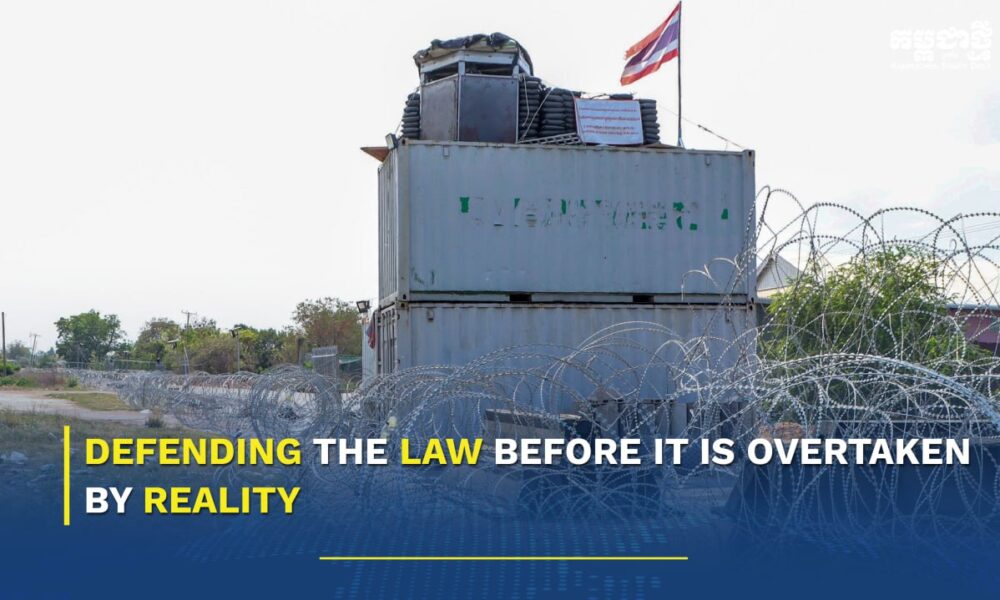
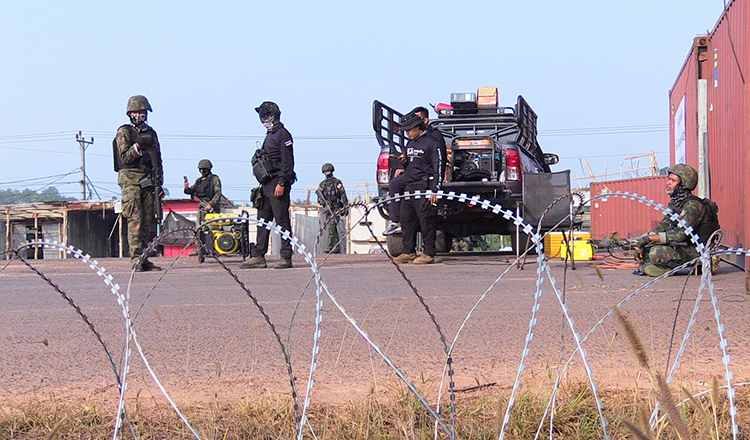
In reality, it was a necessary alarm sounding against the deliberate, systematic erosion of the status quo. Between late February and early March, a quiet campaign of construction—ranging from military guard posts to religious monuments—has unfolded along the Cambodian-Thai border.
Taken together, these actions signal not a mere geographical misunderstanding, but a calculated alteration of a legally settled reality. At the epicenter of this friction lies the Preah Vihear promontory. Let us be unequivocal: the legal status of this land is not ambiguous, nor is it “disputed.” It is adjudicated territory.
The International Court of Justice (ICJ) confirmed Cambodia’s sovereignty over the Temple in its landmark 1962 judgment, and its 2013 interpretation explicitly clarified that this sovereignty extends to the promontory.
Therefore, Thailand’s recent construction of roads and military-linked structures in this zone is profoundly significant. It is not simply a physical intrusion into Cambodian territory; it is a direct challenge to the authority of the ICJ itself.
Worryingly, these 2026 developments are not confined to Preah Vihear. The evidence reveals a broader, dual-track geographic pattern. In the Oddar Meanchey sector (the Ta Moan–Ta Krabei zone), we are witnessing the gradual consolidation of military and civil infrastructure.
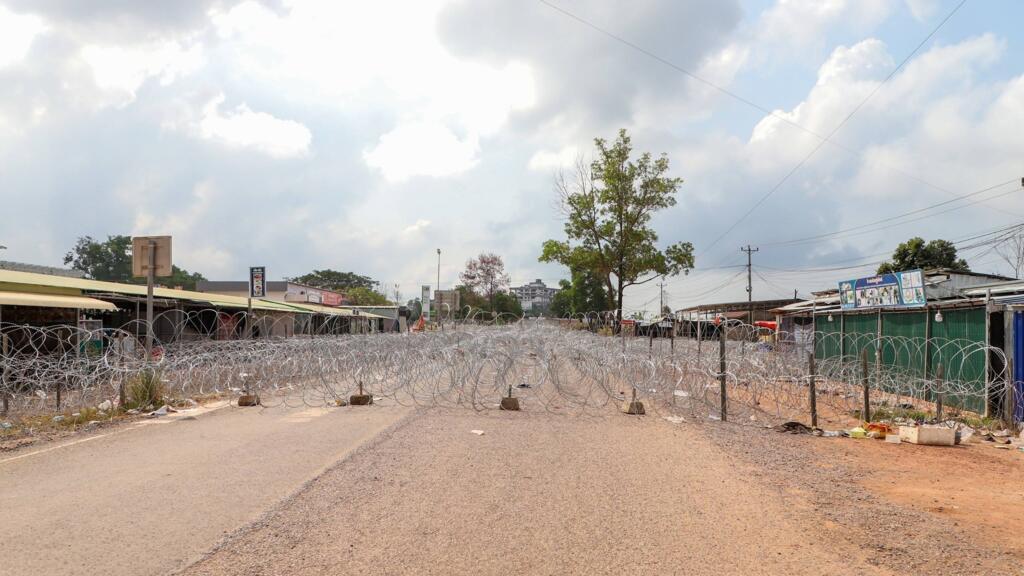
In the Bosbov–Choam Tae area of Choam Khsan district, the construction of a large Buddha statue acts as a symbolic assertion to reinforce territorial presence. Further along the An Ses border, obstruction and control measures are stifling
cross-border movement, signaling a shift toward administrative consolidation. This is a textbook strategy of incremental territorial expansion. By marrying military logistics (guard posts and road access) with civilian and cultural developments (religious structures), a dual expansion is achieved.
The objective is clear: establish de facto control, normalize a foreign presence over time, and create “facts on the ground” that are politically excruciating to reverse. In legal terms, this is not merely an occupation; it is territorial consolidation under the guise of ambiguity.
Such actions do not just offend Cambodian sovereignty—they assault foundational tenets of international law, specifically the principle of estoppel.
This principle was the linchpin of the 1962 ICJ Judgment. The Court determined that Thailand had accepted the 1907 Annex I Map and that its subsequent conduct legally prevented it from later denying that position. In short,
Thailand is precluded from asserting claims inconsistent with its prior acceptance. By driving bulldozers into areas falling squarely within the logic of that map and the 2013 interpretation, Thailand is actively undermining the very legal bedrock upon which the ICJ judgment was founded. This transforms a bilateral territorial issue into a systemic threat to the integrity of global judicial settlement.
Equally egregious is the breach of immediate political commitments. The ink is scarcely dry on the December 27, 2025, Peace Declaration. Like all functional peace agreements, it demands the non-alteration of the status quo, restraint from unilateral development in sensitive areas, and a steadfast commitment to peaceful dispute management.
Pouring concrete for roads, military posts, and symbolic structures in these very zones is a glaring departure from these obligations. It is a breach of both century-old legal principles and months-old political promises.
The current situation highlights a dangerous structural vulnerability in international law. Cambodia possesses the legal title; its sovereignty is established. Yet, practical control is shifting through incremental, physical actions.
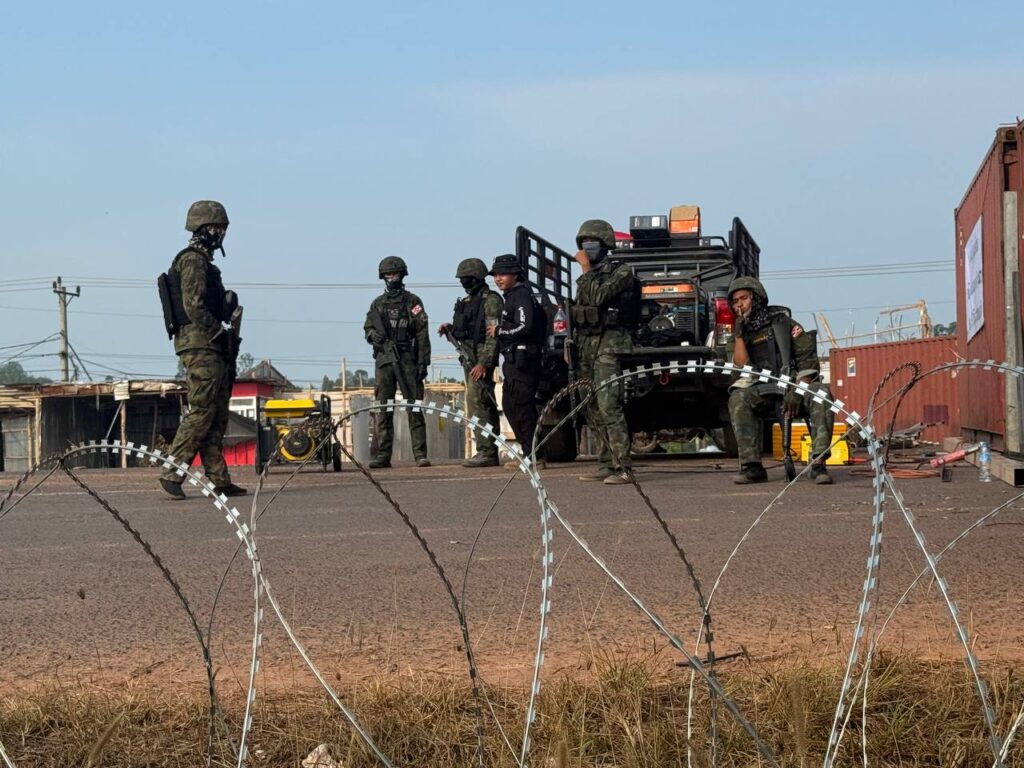
If left unaddressed, this widening gap allows physical facts to reshape perception, and perception to dictate future negotiation dynamics. We risk watching a legally settled issue devolve back into a politically contested reality.
Cambodia’s March 2026 protest is necessary, but protest alone cannot halt a pattern that is cumulative, strategic, and physically transforming the landscape. The implications here extend far beyond the bilateral relations of two Southeast Asian neighbors.
They strike at the credibility of international adjudication itself. If binding ICJ judgments can be incrementally nullified through quiet construction on the ground, then the authority of international law is weakened not by open defiance, but by gradual erosion.
The choice before the international community and legal bodies is not abstract; it is immediate. Either the status quo is preserved by law, or it will be replaced by practice. And once practice takes root in the soil, even the clearest, most authoritative judicial ruling will struggle to reclaim the ground it once defined.
This opinion article is written by Legal Analyst Panhavuth Long. The views expressed are solely those of the author and do not reflect the position of KPT English







-

 National2 months ago
Cambodia Expands Free ID Services While Introducing Clear Fee Structure for Administrative Documents
-
 National3 weeks ago
Cambodia proposes trilateral anti‑crime liaison mechanism with Laos, Vietnam
-
 National2 weeks ago
PM Hun Manet to visit China as trade surges and investment deepens
-
 National2 weeks ago
Cambodia says four soldiers injured in border blast, investigation launched
-

 National1 month ago
Samdech Techo Hun Sen Says Cambodia Can Meet Defence Needs Through Domestic Production
-

 National2 weeks ago
Cambodia opens new distribution hub to expand market access for local businesses
-
 Opinion2 months ago
From Connectivity to Resilience: How Japan’s Strategic Shift Could Transform Cambodia’s Next Development Phase
-
 Economy2 months ago
Cambodia Welcomes 1 Million Tourists in Q1, But Arrivals Fall Sharply Amid Regional Pressures