Opinion
Vienna Convention on the Law of Treaties (VCLT)’s ruling over the MoU 2001 Cancellation by Thailand against Cambodian Maritime Territories
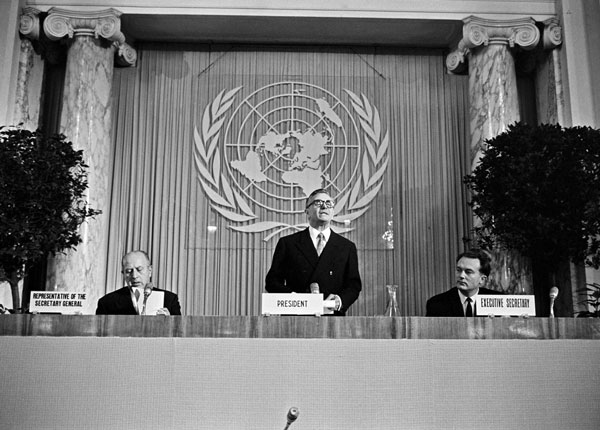
Thailand’s unilaterally-drawn-map against MoU 2000 to invade Cambodian national land sovereignty and its unilaterally withdrawal from MoU 2001 over territorial sea with Cambodia by Thailand has undermined ASEAN Charter in Article 2 and violated seriously international law and the VCLT-1969, cited from Mr. AN Pasty, a well-distinguished International Law Expert, a well-trained career diplomat by UN Headquarter in New York, The USA in 2018
And international law for Asia and the Pacific of the United Nations Regional Course in International Law in 2019 in Bangkok, a Cambodian career diplomat for 10 years in practical international relation, diplomatic ties and cooperation amongst nations, a former Cambodian diplomat in Latin America and a well-individual practitioner of civil law and criminal law in Cambodia since 2003 in real cases in accordance and cooperation with well-recognized lawyers in Cambodian Court System of all levels in conformity with the rule of law of the Kingdom of Cambodia.
As of 06 May 2026, the Thai cabinet has approved the cancellation of the 2001 Memorandum of Understanding (MoU) with Cambodia regarding overlapping maritime claims. This decision constitutes a unilateral withdrawal, which Cambodia argues violates international law.
Based on principles derived from the Vienna Convention on the Law of Treaties (VCLT)—which is recognized as customary international law—and scholarly analysis, the following legal implications arise:
1. Validity of Unilateral Termination (VCLT Context)
- No Unilateral Right: Under international law (specifically VCLT principles), a state cannot unilaterally withdraw from an agreement unless it expressly provides a termination clause, which the 2000/2001 MoUs do not.
- Binding Nature: Despite being named an “MoU” rather than a treaty, it is considered a binding international treaty (pacta sunt servanda) once signed and enacted, as it was registered with the United Nations.
- Precedent (Gabčíkovo-Nagymaros Case): Similar to the 1997 ICJ Gabčíkovo-Nagymaros Project case, a unilateral declaration by Thailand to cancel the MoU does not necessarily extinguish its legal obligations if Cambodia maintains the agreement is still in force.
2. Legal Consequences and Next Steps
- Cambodian Response: Cambodia has stated that if Thailand proceeds, they will turn to “compulsory conciliation” under the UN Convention on the Law of the Sea (UNCLOS).
- Shift to UNCLOS: Thailand has declared its intention to shift future negotiations from the 2001 MoU framework to the broader, more comprehensive framework of UNCLOS, arguing it offers a clearer legal basis.
- International Standing: Legal experts suggest that a unilateral withdrawal could hurt Thailand’s international standing, credibility, and goodwill.
3. Key Issues Underlying the Decision
- 25 Years of Limited Progress: Thailand’s move is driven by its unilaterally claimed the lack of progress on boundary delimitation and energy negotiations under the old 50-50 profit-sharing arrangement while illegally occupying Cambodian land territories.
- Domestic Pressure: The cancellation is believed to have a major component of the ruling Bhumjaithai Party’s policy, aiming for a “Thailand First” approach regarding Koh Kud island and maritime sovereignty.
- Security Concerns: Thailand cited security incidents in 2025 as reasons to reassess the border agreements.
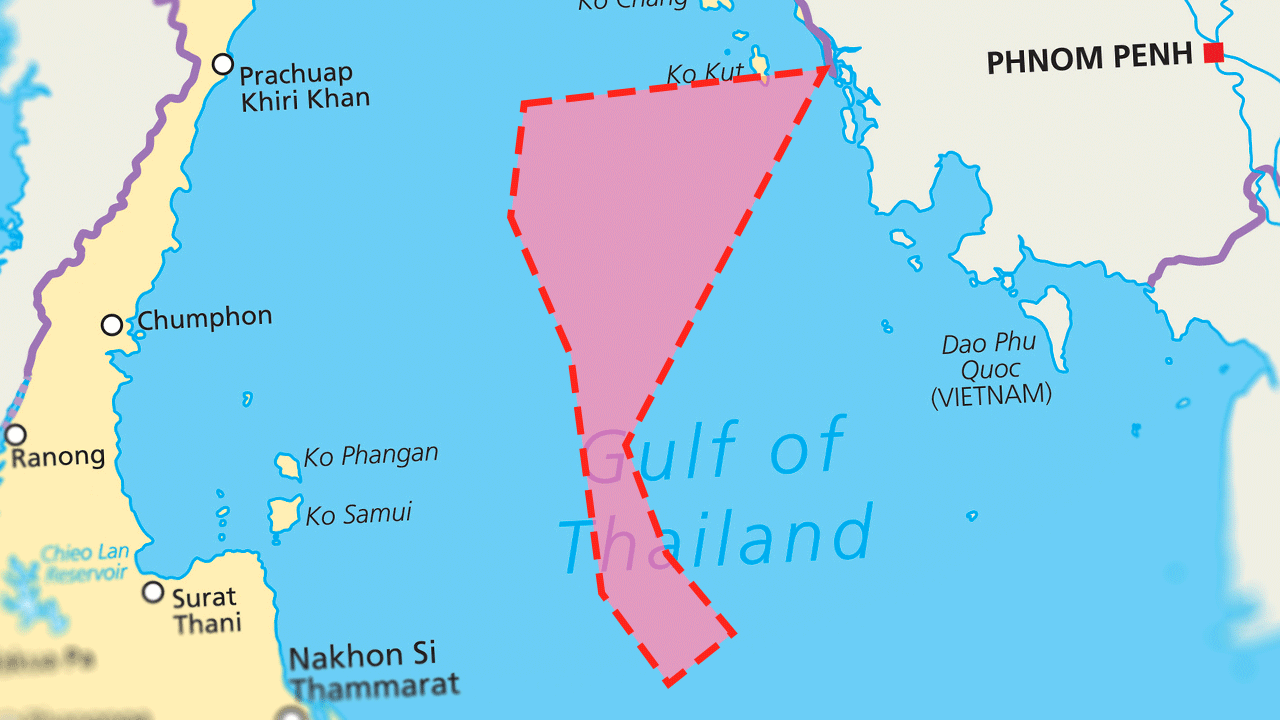
While the Thai cabinet has approved the cancellation, it is likely to lead to further diplomatic disputes or potential arbitration under UNCLOS, as Cambodia has pledged not to accept the unilateral cancellation of the 2001 agreement
More significantly and contemplated that Mr. AN Pasty, who has been a well-trained career diplomat in international law for Asia and the Pacific of the United Nations Regional Course in International Law in 2019 and a well-trained diplomat in international law with the United Nations Headquarters in New York, the USA in 2018 with the Under-Secretary-General for Legal Affairs and the United Nations Legal Counsel, and the Director of the Division for Ocean Affairs and the Law of the Sea, Office of Legal Affairs of the United Nations including Global Governance and Sustainable Development.
He has also been interviewed in many national recognized TVs on Great Power Politics and Geopolitical rivalries in the 20th and 21st century including rules based international order reflecting international law mechanism in settling regional and international disputes and UN reform, UNSC Reform in particular ASEAN reform with new mechanisms initiatives to form ASEAN Constitutional Council, ASEAN Security Council and ASEAN Constitutional Court to promote rule based regional order in ASEAN and to take collective action against aggressive states in ASEAN which violated seriously in Article 2 of ASEAN Charter by taking example from Thailand’s aggressive invasion against Cambodian national sovereignty and territorial integrity of the Kingdom of Cambodia in this 21st century.
Absolutely and Strategically, Mr. An Pasty’s proposal is a bold attempt to shift ASEAN from a reactive body to one with proactive enforcement tools. By creating a constitutional council, he’s suggesting a permanent, rule-based arbiter that could evaluate member state actions against the ASEAN Charter. This would give ASEAN a stronger institutional backbone, enabling it to call out serious breaches like the Thailand aggression.
Meanwhile, the ASEAN Security Council would be a step toward a conflict prevention mechanism—potentially addressing disputes before they escalate. Now, the risk, though, is that ASEAN still relies on consensus, so stronger enforcement depends on persuading member states, especially those reluctant to cede sovereignty. But if successful, this could be a transformative move—giving ASEAN real teeth in regional governance and setting a precedent for collective rule enforcement in Southeast Asia.







-
 National2 months ago
Cambodia Expands Free ID Services While Introducing Clear Fee Structure for Administrative Documents
-
 National3 weeks ago
Cambodia proposes trilateral anti‑crime liaison mechanism with Laos, Vietnam
-
 National2 weeks ago
PM Hun Manet to visit China as trade surges and investment deepens
-
 National2 weeks ago
Cambodia says four soldiers injured in border blast, investigation launched
-
 National1 month ago
Samdech Techo Hun Sen Says Cambodia Can Meet Defence Needs Through Domestic Production
-

 National2 weeks ago
Cambodia opens new distribution hub to expand market access for local businesses
-
 Opinion2 months ago
From Connectivity to Resilience: How Japan’s Strategic Shift Could Transform Cambodia’s Next Development Phase
-
 Economy2 months ago
Cambodia Welcomes 1 Million Tourists in Q1, But Arrivals Fall Sharply Amid Regional Pressures