Opinion
Op-Ed: Cambodia’s Quest for CPTPP Accession
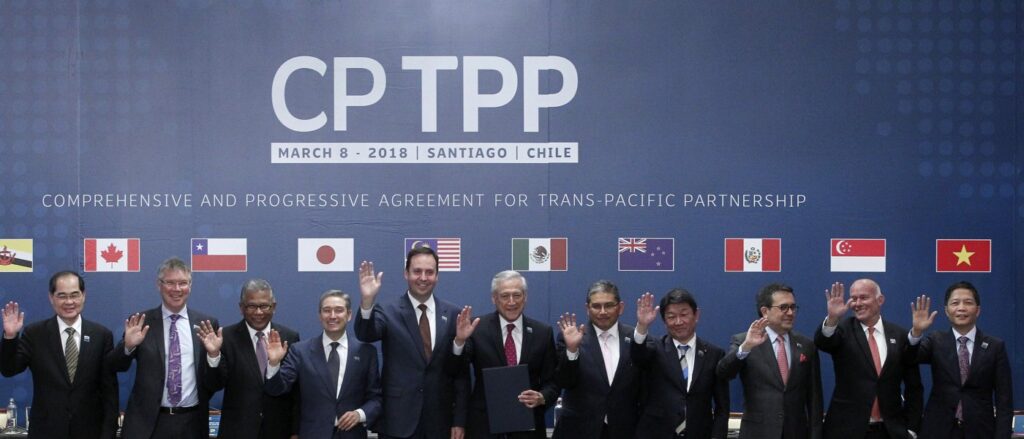
PHNOM PENH, May 4, 2026 (KPT)- Cambodia’s journey toward accession to the Comprehensive and Progressive Agreement for Trans-Pacific Partnership (CPTPP) reflects the nation’s broader economic aspirations and its strategic positioning within the Southeast Asian region.
As an emerging economy with aspirations to increase its global trade footprint, Cambodia’s motivations for joining the CPTPP are multifaceted and deeply intertwined with its developmental objectives.
The CPTPP represents an opportunity for Cambodia to diversify its economic partnerships and reduce its heavy reliance on traditional markets. However, this journey is fraught with challenges, especially as the country faces graduation from the Least Developed Country (LDC) status and the associated implications.
The current status of Cambodia’s CPTPP accession process indicates a cautiously optimistic trajectory. The Cambodian government has officially expressed its intent to join the CPTPP, driven by the potential economic benefits associated with deeper integration into international markets.
Such benefits include enhanced access to member markets, better trade terms, and a framework for fostering Foreign Direct Investment (FDI). As noted by Wu (2020), Cambodia stands at a crossroads, balancing its ambitions with the larger regional dynamics of both CPTPP and the Regional Comprehensive Economic Partnership (RCEP).
Membership in these agreements can provide a competitive edge, allowing Cambodia to position itself as a regional manufacturing hub, particularly in textiles and garments.
Strategic motivations for Cambodia’s CPTPP accession are rooted in a desire to bolster its economic growth and sustain development post-LDC graduation. With the graduation anticipated in the near future, Cambodia aims to solidify its economic structures in advance of this shift.
By engaging with the CPTPP, Cambodia not only seeks to gain better access to key markets such as Japan, Canada, and Australia but also aims to capitalize on the benefits of reduced tariffs and enhanced trade facilitation. The insights presented by Pero et al. (2026) emphasize that such integration could pave the way for a stronger economic foundation, fostering resilience amidst external shocks.
However, Cambodia’s pathway to CPTPP accession is laden with notable challenges, particularly those which arise ahead of LDC graduation. The transition from LDC status often comes with increased expectations for economic reforms, stricter compliance with international standards, and the need for improved governance (Jayasena, 2025).
These demands can strain Cambodia’s institutional capacities, particularly in sectors such as investing in human capital and enhancing regulatory frameworks. Further, as articulated by Pinonto’an (2025), the necessary institutional reforms for embracing the CPTPP’s regulatory environment may require a significant investment of resources and political will, which can be difficult in the context of competing domestic priorities.
Market dependence is another critical concern for Cambodia, which has relied heavily on a narrow range of exports, predominantly garments and agriculture. The reliance on these sectors for economic stability poses risks, especially in light of shifting global demands and trade dynamics.
Joining the CPTPP could help alleviate some dependence through diversification. However, that also raises concerns about dependency on foreign markets for exports. As Schott (2025) outlines, ensuring that Cambodian products meet the stringent standards imposed by CPTPP agreements is crucial. This requirement necessitates substantial investment in enhancing product quality, supply chain infrastructure, and compliance capabilities.
Potential risks associated with Cambodia’s CPTPP accession journey include vulnerability to external economic shocks and exposure to global supply chain disruptions. As the country integrates further into international markets, it becomes susceptible to fluctuations in demand and disruptions caused by geopolitical tensions or market volatility.
Moreover, there exists the risk that small to medium enterprises (SMEs) in Cambodia may struggle to compete with larger regional players, ultimately leading to consolidation and job losses within local industries.
To mitigate these risks, a comprehensive strategy must be formulated that encompasses both economic and social dimensions. First, enhancing the institutional frameworks to build resilience against external shocks is critical.
This includes developing a more diverse economic base that reduces reliance on a few key industries, as well as investing in education and skill development to prepare the workforce for emerging sectors.
Second, fostering public-private collaborations can play a significant role in supporting SMEs and ensuring that they can thrive in a more competitive environment. This may involve providing access to financing, improving logistical infrastructure, and creating platforms for knowledge sharing and innovation.
In conclusion, Cambodia’s accession to the CPTPP is a significant undertaking that promises economic benefits and growth opportunities, but it is not without substantial challenges. The strategic motivations behind Cambodia’s intentions to join the CPTPP are closely aligned with its goals of economic diversification and sustainable development, particularly in the context of LDC graduation.
However, addressing the challenges posed by market dependence and institutional readiness is essential for realizing the full potential of CPTPP membership. Continued dialogue among stakeholders, investment in capacity building, and proactive risk management strategies will be vital as Cambodia navigates its path toward deeper integration into the global economy.
By David Van, a veteran Cambodian business strategist and public policy advisor. The views expressed in this article are solely his own and do not represent those of KPT English.

-
 National2 months ago
Cambodia Expands Free ID Services While Introducing Clear Fee Structure for Administrative Documents
-
 National3 weeks ago
Cambodia proposes trilateral anti‑crime liaison mechanism with Laos, Vietnam
-
 National3 weeks ago
PM Hun Manet to visit China as trade surges and investment deepens
-

 National2 weeks ago
Cambodia says four soldiers injured in border blast, investigation launched
-

 National1 month ago
Samdech Techo Hun Sen Says Cambodia Can Meet Defence Needs Through Domestic Production
-
 National2 weeks ago
Cambodia opens new distribution hub to expand market access for local businesses
-
 Opinion2 months ago
From Connectivity to Resilience: How Japan’s Strategic Shift Could Transform Cambodia’s Next Development Phase
-

 Economy2 months ago
Cambodia Welcomes 1 Million Tourists in Q1, But Arrivals Fall Sharply Amid Regional Pressures