National
Timor-Leste Urges Cambodia to Trust UNCLOS Conciliation, Shares Lessons from Peaceful Maritime Dispute with Australia
PHNOM PENH, July 3, 2026 (KPT)— Timor-Leste has encouraged Cambodia to place its trust in the compulsory conciliation mechanism under the United Nations Convention on the Law of the Sea (UNCLOS), saying its own experience shows the international legal process can peacefully resolve complex maritime disputes when both parties negotiate in good faith.
The message came as Cambodia reaffirmed that compulsory conciliation under UNCLOS is its preferred peaceful legal avenue to settle its maritime boundary and overlapping offshore resource dispute with Thailand, following Bangkok’s unilateral withdrawal from a 2001 Memorandum of Understanding (MoU).
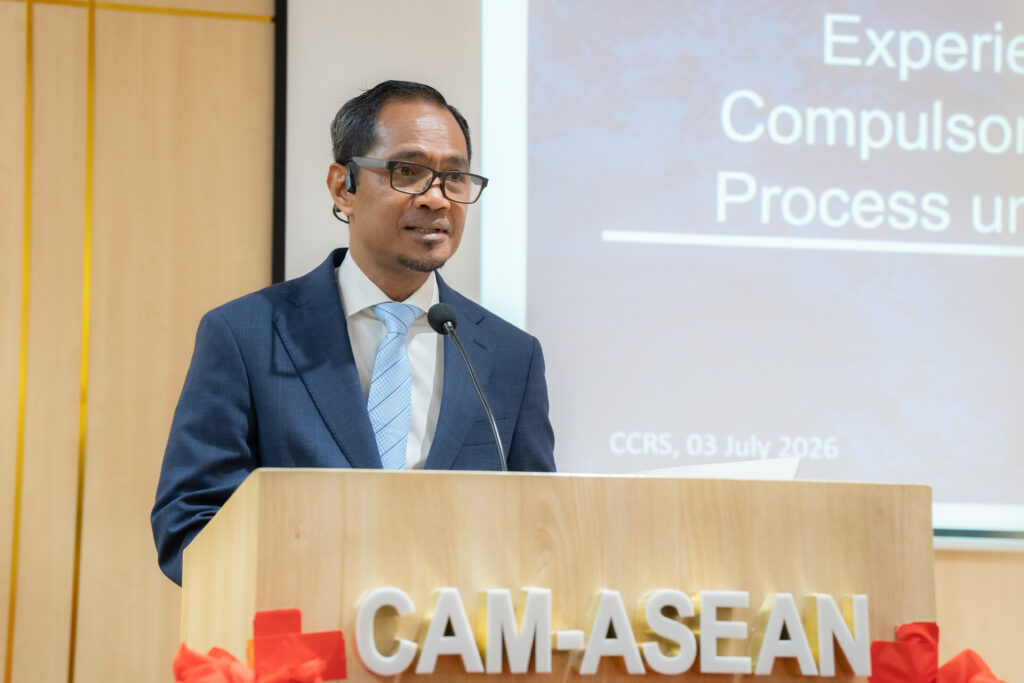
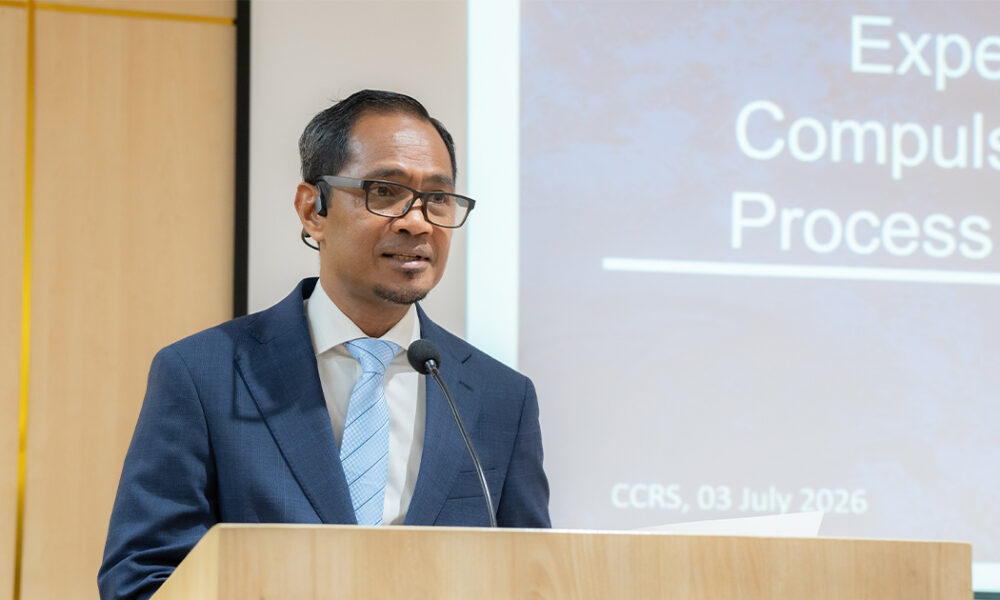
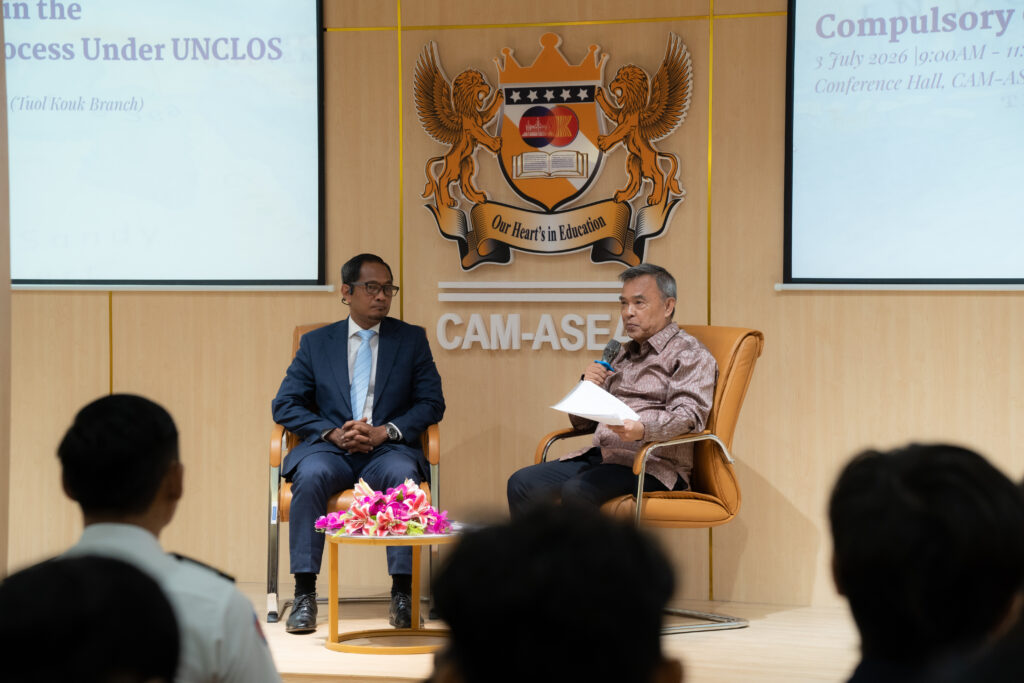
Speaking at a public lecture in Phnom Penh, Timor-Leste’s Ambassador to Cambodia Marcos dos Reis da Costa said his country’s experience with Australia offers valuable lessons. “There is some tumultuous experience with Australia under this compulsory conciliation process,” he told KPT English.
“I am confident that whatever Cambodia and Thailand proceed with through this same mechanism will bring a good result. Since both of them have agreed to commence it, the initial confidence-building is already there.”
The ambassador stressed that while UNCLOS provides several dispute settlement mechanisms, compulsory conciliation becomes crucial when bilateral talks fail. He said the process depends heavily on political will, mutual trust and good faith.
“Only when we agree, only when we talk with good political will and good faith, can we bring about the best result that is mutually beneficial to everyone, especially the two states in dispute,” he said.
Drawing from Timor-Leste’s negotiations with Australia, Marcos acknowledged challenges, including the non-binding nature of conciliation outcomes and shortages of experienced legal and diplomatic personnel. He urged Cambodia and Thailand to commit fully to the process and trust the conciliators they have jointly accepted.
“Since both countries have brought these matters to the compulsory conciliation mechanism, it is expected that both sides commit to the procedure, trust each other, and trust the conciliators they have chosen in order to build a positive result that benefits both sides,” he said.
Timor-Leste’s conciliation took more than 18 months, despite UNCLOS envisaging a 12-month process.
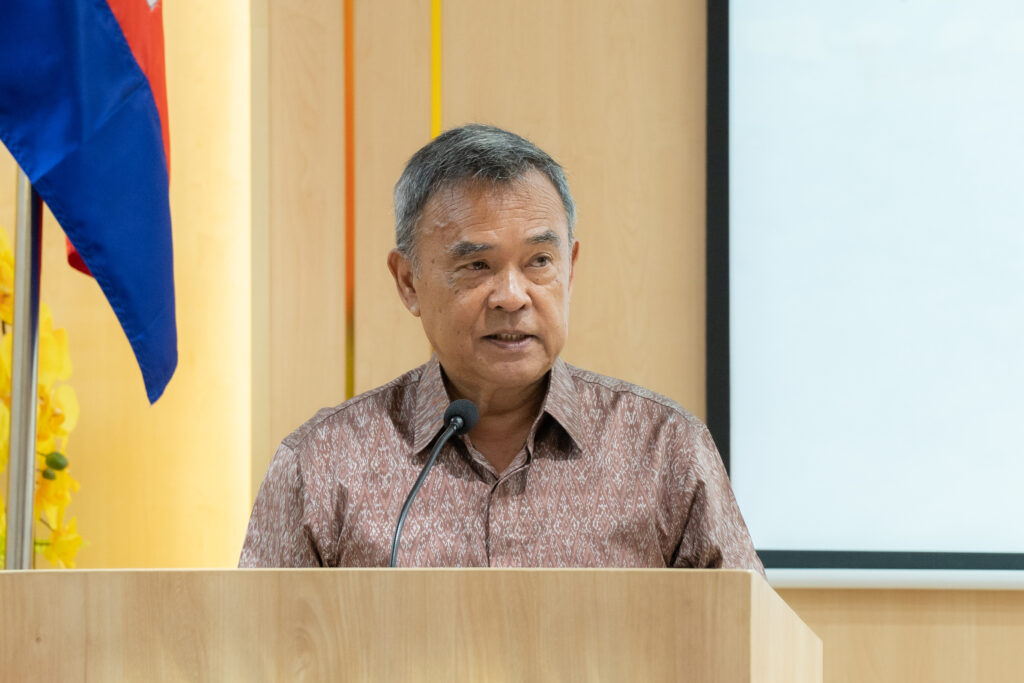
Meanwhile, Pou Sothirak, Senior Advisor to the Cambodian Center for Regional Studies, said Timor-Leste’s experience offers three lessons: trust the international legal system, recognize equal rights of small states under UNCLOS, and build confidence throughout negotiations. He stressed that Cambodia’s decision reflects its commitment to protecting sovereignty and maritime rights through law rather than confrontation.
Officials reiterated that UNCLOS conciliation is now Cambodia’s only peaceful legal option after Thailand’s withdrawal from the 2001 MoU, which had guided talks on overlapping claims and potential joint oil and gas development in the Gulf of Thailand.
Cambodia maintains its objective is to establish a clear maritime boundary while pursuing mutually beneficial resource development in line with international law.









-
 National2 months ago
Poll Finds Strong Cambodian Support for Closer China Ties
-
 Opinion2 months ago
Vienna Convention on the Law of Treaties (VCLT)’s ruling over the MoU 2001 Cancellation by Thailand against Cambodian Maritime Territories
-

 Economy2 months ago
Cambodia Bans Prize Promotions on Beer and Energy Drinks to Level Playing Field
-
 Opinion1 month ago
From Connectivity to Resilience: How Japan’s Strategic Shift Could Transform Cambodia’s Next Development Phase
-
 Education2 months ago
UK Pearson Edexcel Program Launched to Expand Cambodia’s International Education Standards
-

 Economy2 months ago
Major Beer Producers in Cambodia Back Government Ban on Prize Promotions
-
 National2 months ago
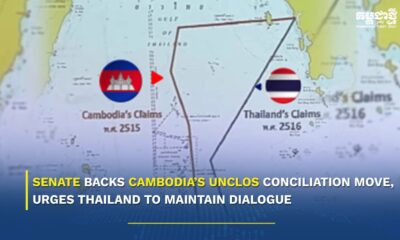
Senate backs Cambodia’s UNCLOS conciliation move, urges Thailand to maintain dialogue
-
 Opinion1 month ago
Op-Ed: A Decade of Dialogue, Yet Many Challenges Remain