National
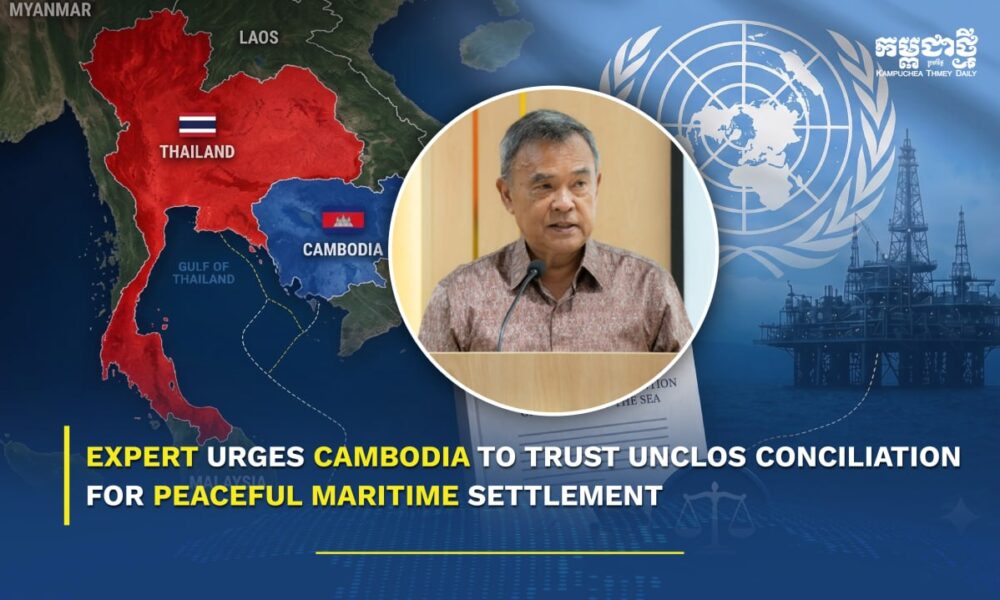
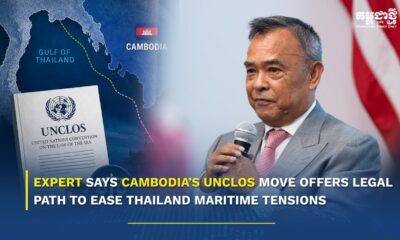
Expert urges Cambodia to trust UNCLOS conciliation for peaceful maritime settlement
PHNOM PENH, July 7, 2026 (KPT) – Cambodia should place its confidence in international law and rely on the United Nations Convention on the Law of the Sea (UNCLOS) compulsory conciliation process to build trust with Thailand and pursue a peaceful settlement of maritime disputes, a leading analyst said Tuesday.
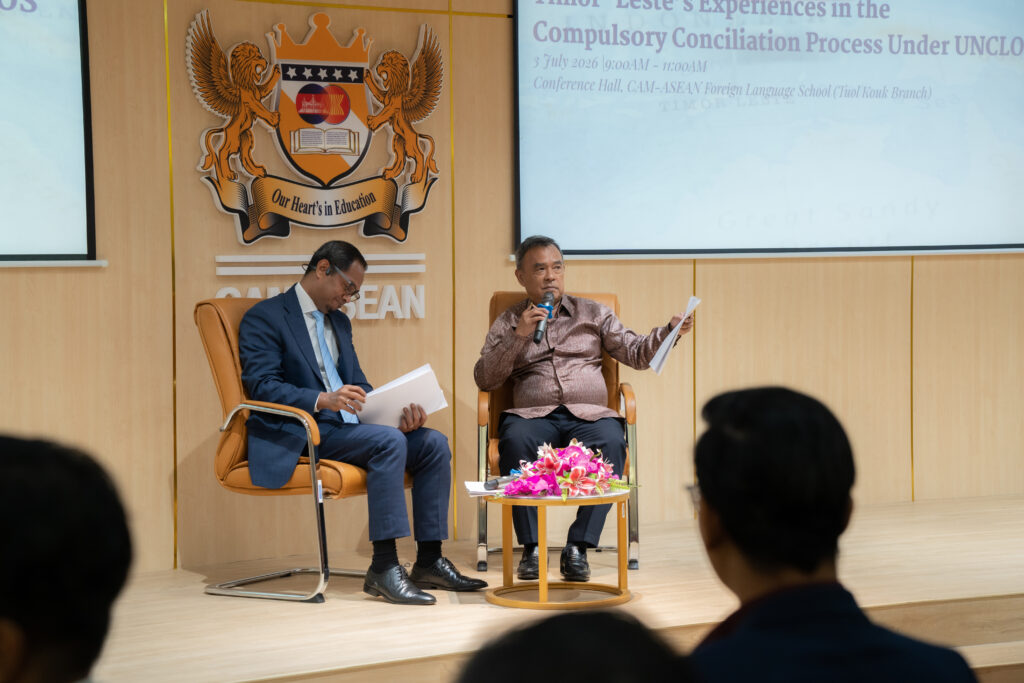
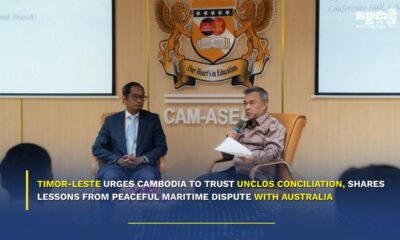
Pou Sothirak, Distinguished Senior Advisor at the Cambodian Center for Regional Studies, told KPT that Cambodia can draw valuable lessons from Timor‑Leste’s experience with the mechanism, stressing that UNCLOS guarantees equal rights to all member states regardless of size. “Small states have the same rights as big states. Once you are a member of UNCLOS, you enjoy equal rights under international law,” he said.
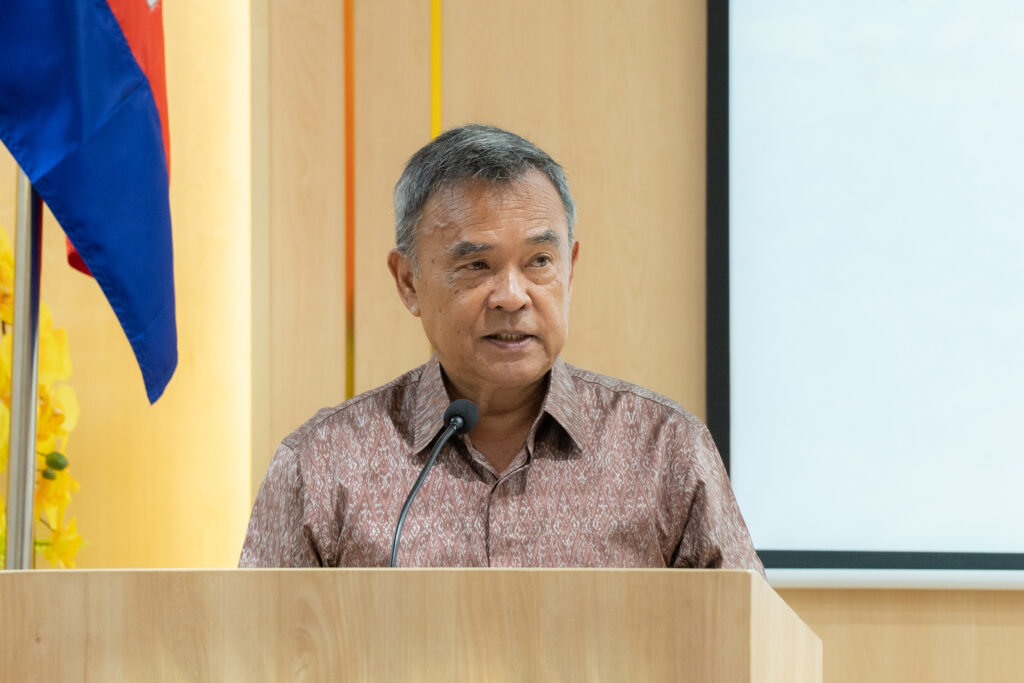
He acknowledged the process is not legally binding but said outcomes can become binding if both sides show political will. “There will be a solution if both sides are committed to resolving the issue peacefully,” he added.
Timor‑Leste’s ambassador to Cambodia, Marcos dos Reis da Costa, said his country’s landmark case with Australia showed the mechanism can deliver results if both sides commit. “Since both countries have agreed to commence it, the initial confidence‑building is already there,” he said. “Only when we talk with good political will and good faith can we bring about the best result that is mutually beneficial.”
Marcos called Timor‑Leste’s use of conciliation against a larger neighbour “a bold move,” adding: “It is not about winning or losing, but we had to try because we believe in international law.”
Sothirak emphasised that confidence‑building and mutual trust are essential. “We need to trust each other and allow our differences to be resolved through negotiation, diplomacy and legal mechanisms,” he said, warning that failure to settle disputes peacefully could risk unintended consequences.
He said conciliation could reduce the danger of military confrontation by keeping both countries engaged in dialogue. “Cambodia wants peace, and compulsory conciliation offers a peaceful path,” he noted.
Drawing on Timor‑Leste’s case, he said patience, compromise and goodwill are vital. “Accepting the process together is already the first step in the right direction,” he said, expressing optimism that the mechanism could strengthen mutual understanding while protecting sovereignty and resources.







-
 Opinion1 month ago
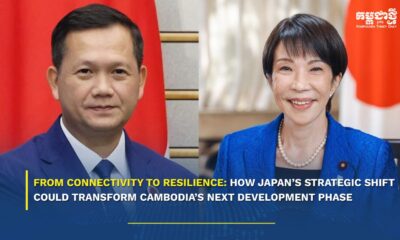
From Connectivity to Resilience: How Japan’s Strategic Shift Could Transform Cambodia’s Next Development Phase
-
 Opinion2 months ago
Op-Ed: A Decade of Dialogue, Yet Many Challenges Remain
-
 Economy1 month ago
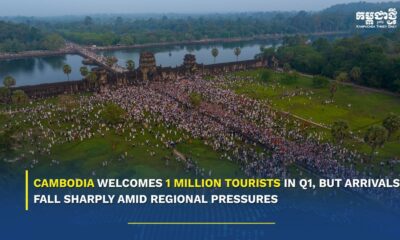
Cambodia Welcomes 1 Million Tourists in Q1, But Arrivals Fall Sharply Amid Regional Pressures
-
 National4 weeks ago
Samdech Techo Hun Sen Says Cambodia Can Meet Defence Needs Through Domestic Production
-

 Economy2 months ago
Cambodia Air Cargo Surges 36% Despite Dip in Passenger Traffic
-
 Education2 months ago
Cambodia Launches Nationwide Live Teaching Program to Narrow Education Gap
-
 Economy2 months ago
Cambodia’s Special Economic Zones Post Strong Export Growth in Early 2026
-

 Economy2 months ago
Cambodia Stock Exchange Seen as Key to Financing Growth