Economy
IMF Projects Cambodia’s Economic Growth to Slow to 3% in 2026, Urges Targeted Reforms to Safeguard Stability
PHNOM PENH, July 8, 2026 (KPT) — Cambodia’s economy is projected to slow sharply to 3 percent in 2026, the International Monetary Fund (IMF) said Wednesday, warning of mounting risks from higher energy prices, global trade uncertainty, weak tourism, and subdued domestic demand.
The Fund urged the government to adopt targeted fiscal support and accelerate reforms to preserve macroeconomic and financial stability. The forecast was released at the conclusion of the IMF’s Article IV Consultation mission, led by Mission Chief Kenichiro Kashiwase, which ran from June 24 to July 8.
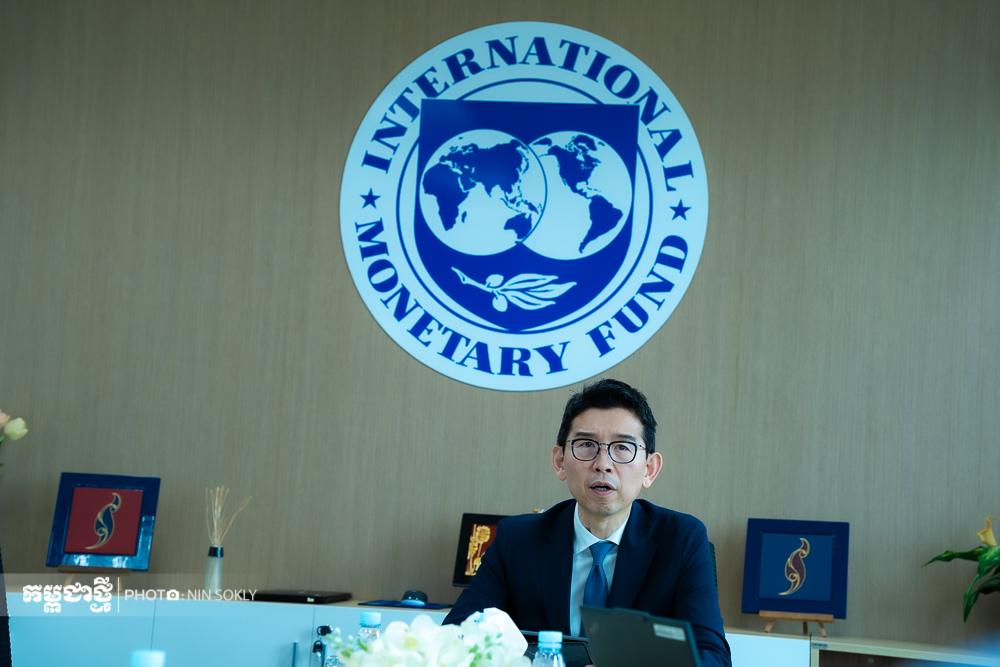
IMF Mission Chief Kenichiro Kashiwase.
Growth moderated to 5.3 percent in 2025, down from 6.0 percent in 2024, supported by exports, foreign direct investment, and infrastructure spending. But domestic demand, construction, and real estate remained sluggish.
The IMF expects recovery in 2027, though it cautioned that risks remain significant, including volatile energy markets, weaker external demand, El Niño’s economic impact, and reputational damage from scam-related activities weighing on tourism and investor confidence.
Inflation is forecast to rise to 5.6 percent in 2026, up from 2.5 percent last year, driven largely by global energy costs. The IMF noted Cambodia’s broadly stable riel exchange rate continues to serve as a key anchor in its highly dollarized economy.
To cushion the slowdown, the Fund recommended temporary, targeted fiscal measures for vulnerable households and businesses, while maintaining medium-term discipline. It advised phasing out broad fuel subsidies, calling them costly and regressive, and urged stronger domestic revenue mobilization through improved tax compliance, governance of incentives, and broadening the tax base.
The IMF also flagged vulnerabilities in the financial sector, particularly banks’ exposure to real estate. It called on the National Bank of Cambodia to ensure timely recognition of impaired assets, adequate provisioning, and stronger crisis management frameworks.
Looking ahead, the Fund pressed Cambodia to accelerate structural reforms as it prepares to graduate from Least Developed Country status. Priorities include improving the business climate, governance, workforce skills, export diversification, energy security, renewable expansion, and climate resilience.
The mission held talks with senior government officials, the central bank, public institutions, private sector representatives, and development partners during its two-week visit.




-
 Opinion1 month ago
From Connectivity to Resilience: How Japan’s Strategic Shift Could Transform Cambodia’s Next Development Phase
-

 Opinion2 months ago
Op-Ed: A Decade of Dialogue, Yet Many Challenges Remain
-
 Economy1 month ago
Cambodia Welcomes 1 Million Tourists in Q1, But Arrivals Fall Sharply Amid Regional Pressures
-

 Economy2 months ago
Cambodia Air Cargo Surges 36% Despite Dip in Passenger Traffic
-

 National4 weeks ago
Samdech Techo Hun Sen Says Cambodia Can Meet Defence Needs Through Domestic Production
-

 Education2 months ago
Cambodia Launches Nationwide Live Teaching Program to Narrow Education Gap
-
 Economy2 months ago
Cambodia’s Special Economic Zones Post Strong Export Growth in Early 2026
-

 Economy2 months ago
Cambodia Stock Exchange Seen as Key to Financing Growth