Economy
Fuel Prices Rise Again in Cambodia Amid Global Oil Market Strains
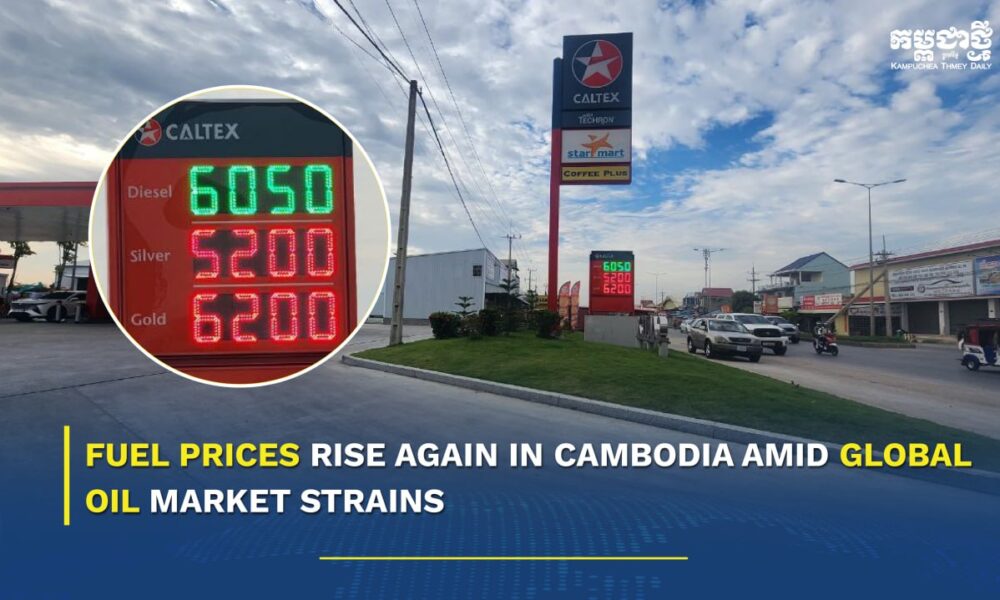
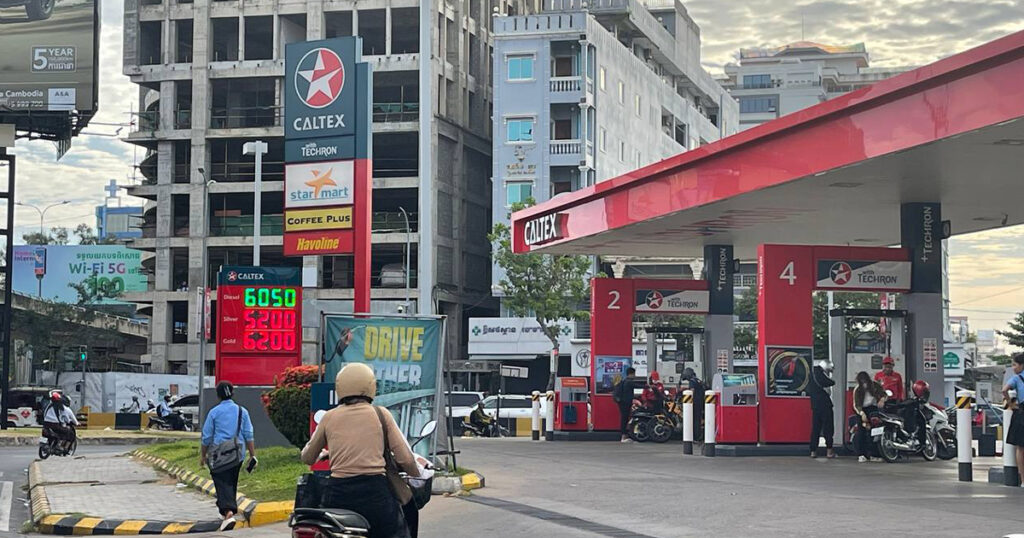
PHNOM PENH, March 11, 2026 (KPT) — Cambodia raised retail fuel prices on Tuesday, with regular gasoline climbing to 5,200 riel ($1.30) per liter, as global oil markets remain volatile under pressure from Middle East tensions.
A joint statement from the ministries of Economy and Finance, Commerce, and Mines and Energy said the new rates will apply from March 11–13. Gasoline 92 is set at 5,200 riel per liter, while diesel (10ppm) is priced at 6,050 riel ($1.51). Officials said the adjustments reflect movements in regional and international markets.
Prime Minister Hun Manet approved a subsidy of 6.5 U.S. cents per liter to ease the burden on consumers. Authorities warned prices could fluctuate further if geopolitical strains continue to drive up shipping and energy costs.
Energy Minister Keo Rottanak said Cambodia is negotiating with suppliers in the United States, France, Malaysia and Singapore to secure stable imports. He stressed there are no signs of supply disruptions but urged vigilance.
Rottanak also called on fuel station operators to comply with official price caps, warning that violations could lead to penalties or loss of operating licenses.












-

 National1 month ago
Cambodia Expands Free ID Services While Introducing Clear Fee Structure for Administrative Documents
-

 National3 weeks ago
Cambodia proposes trilateral anti‑crime liaison mechanism with Laos, Vietnam
-

 National2 weeks ago
PM Hun Manet to visit China as trade surges and investment deepens
-

 National2 weeks ago
Cambodia says four soldiers injured in border blast, investigation launched
-

 National1 month ago
Samdech Techo Hun Sen Says Cambodia Can Meet Defence Needs Through Domestic Production
-

 National2 weeks ago
Cambodia opens new distribution hub to expand market access for local businesses
-
 Opinion2 months ago
From Connectivity to Resilience: How Japan’s Strategic Shift Could Transform Cambodia’s Next Development Phase
-
 Economy2 months ago
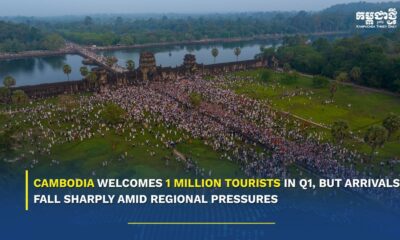
Cambodia Welcomes 1 Million Tourists in Q1, But Arrivals Fall Sharply Amid Regional Pressures