Economy
Cambodia–Thailand Trade Drops Over 40% in Early 2026 After Border Disruptions
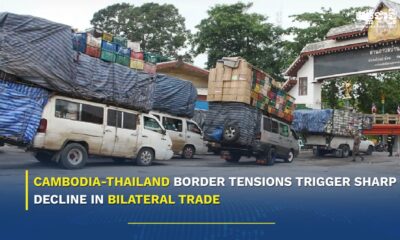
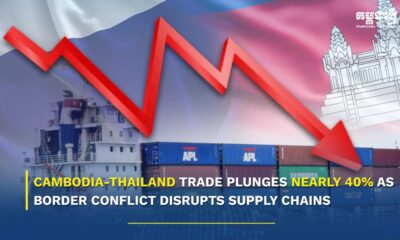
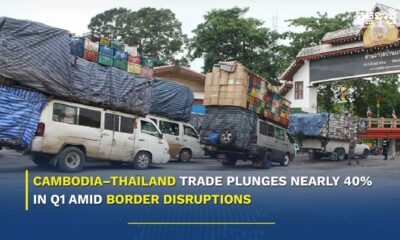
PHNOM PENH, Mar. 10, 2026 (KPT) — Trade between Cambodia and Thailand plunged more than 40 percent in the first two months of 2026 following border disruptions, official data showed Tuesday.
The General Department of Customs and Excise reported bilateral trade at $431 million from January to February, down 42.3 percent from the same period last year. Cambodian exports to Thailand fell nearly 30 percent to $112 million, while imports dropped 45.7 percent to $318 million.
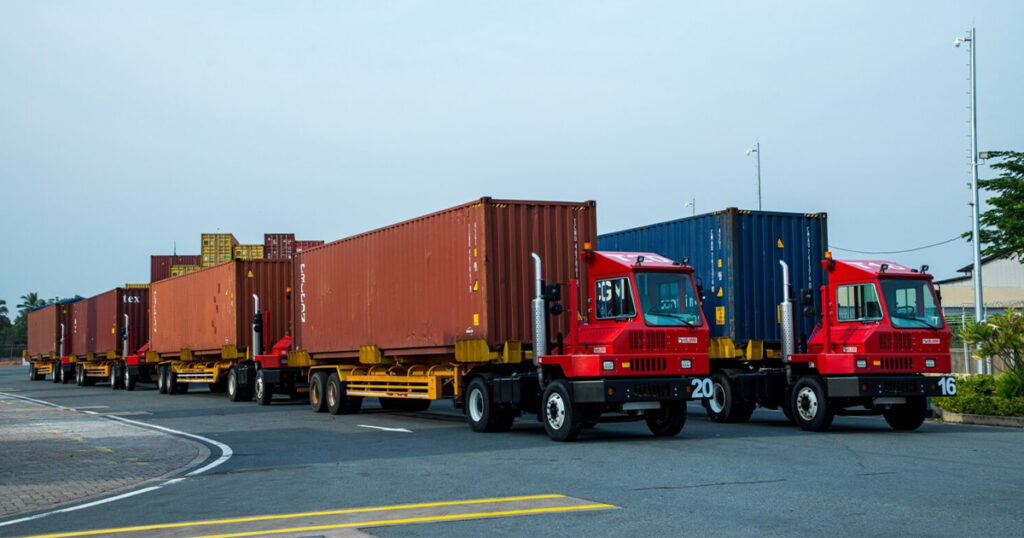
Kun Nhem, director general of the customs department, recently said trade was relatively stable in early 2025 but declined sharply after border closures in the second half of the year. He noted that imports of restricted products have fallen to zero, while fuel and gas shipments have also stopped.
Some machinery and production inputs, including tractors and harvesters, continue to enter Cambodia to support large investment projects and manufacturing firms such as MinebeaMitsumi and DENSO International Asia.
According to the Commerce Ministry, bilateral trade totaled $3.65 billion in 2025, down nearly 15 percent from 2024, underscoring the impact of border tensions on economic ties.







-

 National1 month ago
Cambodia Expands Free ID Services While Introducing Clear Fee Structure for Administrative Documents
-

 National3 weeks ago
Cambodia proposes trilateral anti‑crime liaison mechanism with Laos, Vietnam
-

 National2 weeks ago
PM Hun Manet to visit China as trade surges and investment deepens
-

 National2 weeks ago
Cambodia says four soldiers injured in border blast, investigation launched
-

 National1 month ago
Samdech Techo Hun Sen Says Cambodia Can Meet Defence Needs Through Domestic Production
-

 National2 weeks ago
Cambodia opens new distribution hub to expand market access for local businesses
-

 Opinion2 months ago
From Connectivity to Resilience: How Japan’s Strategic Shift Could Transform Cambodia’s Next Development Phase
-
 Economy2 months ago
Cambodia Welcomes 1 Million Tourists in Q1, But Arrivals Fall Sharply Amid Regional Pressures