Economy
Cambodia Urges More Women in Garment Industry Leadership
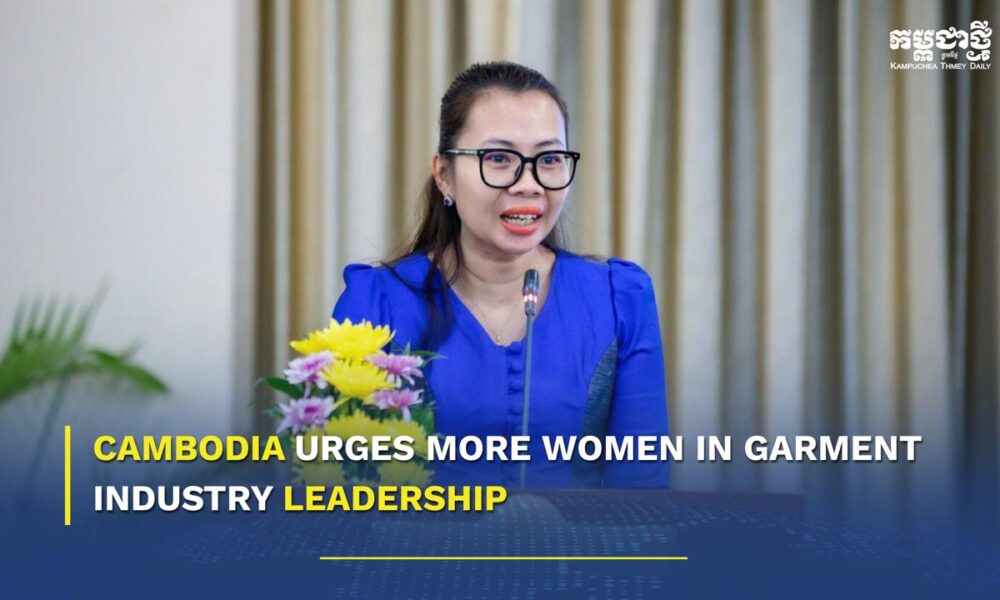
PHNOM PENH, Mar. 8, 2026 (KPT) – Cambodia is calling for greater female representation in leadership roles within the garment sector to boost productivity and advance gender equality, a senior labour official said Friday.
Speaking at a ceremony marking the 115th International Women’s Day, Sovann Vannaroth, representing Labour Minister Heng Sour, urged factories to provide more opportunities for women to take on managerial and decision-making positions.
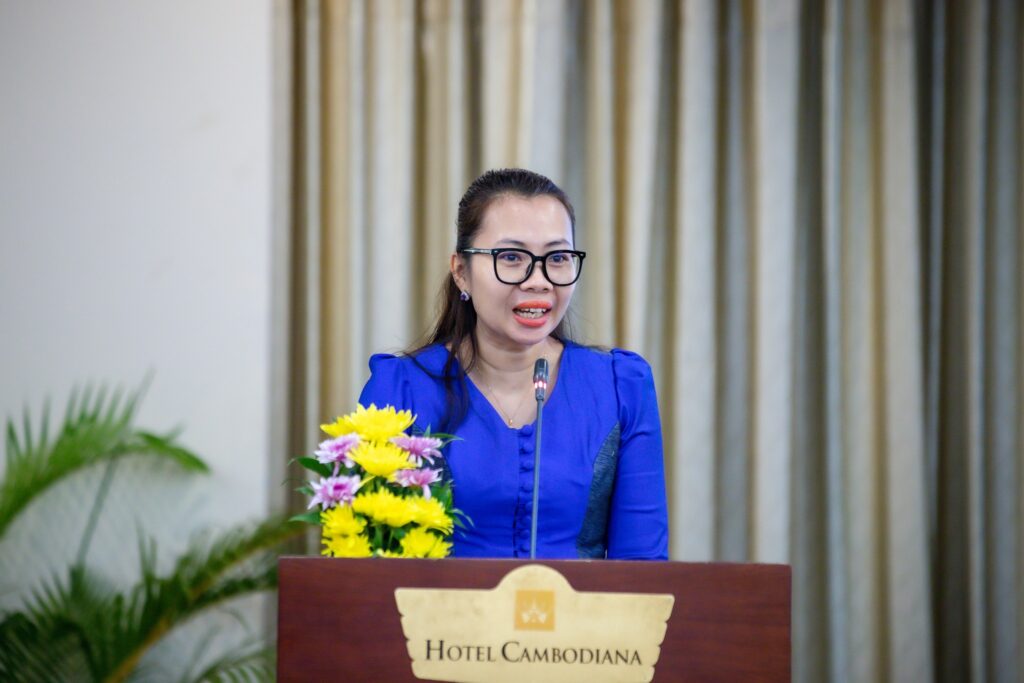
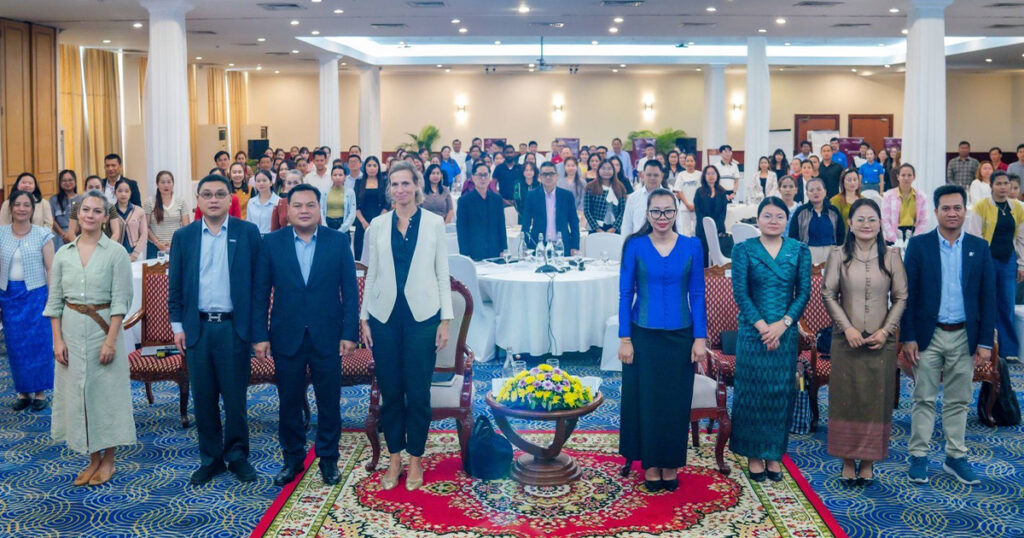
The event in Phnom Penh also celebrated more than 100 graduates of the Gender Equality and Return (GEAR) program, implemented under Better Factories Cambodia with support from Australia.
Vannaroth said promoting women’s leadership was not only a matter of social justice but also a driver of competitiveness in the garment industry, one of Cambodia’s largest export earners.
She highlighted government policies under the Pentagonal Strategy – Phase I, which place women at the center of development, including parental allowances and childcare facilities in factory zones.
The GEAR program helps female garment workers move from machine operators into supervisory roles by strengthening management and professional skills.






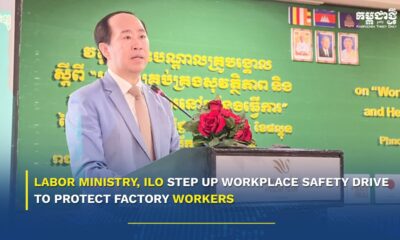

-

 National2 months ago
Cambodia Expands Free ID Services While Introducing Clear Fee Structure for Administrative Documents
-
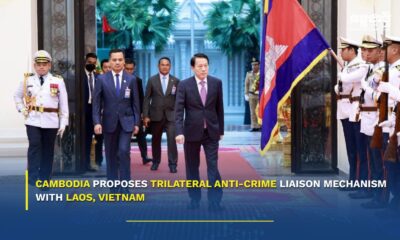
 National3 weeks ago
Cambodia proposes trilateral anti‑crime liaison mechanism with Laos, Vietnam
-
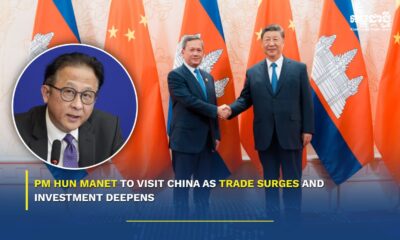
 National2 weeks ago
PM Hun Manet to visit China as trade surges and investment deepens
-

 National2 weeks ago
Cambodia says four soldiers injured in border blast, investigation launched
-

 National1 month ago
Samdech Techo Hun Sen Says Cambodia Can Meet Defence Needs Through Domestic Production
-
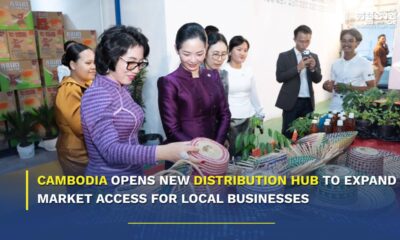
 National2 weeks ago
Cambodia opens new distribution hub to expand market access for local businesses
-
 Opinion2 months ago
From Connectivity to Resilience: How Japan’s Strategic Shift Could Transform Cambodia’s Next Development Phase
-
 Economy2 months ago
Cambodia Welcomes 1 Million Tourists in Q1, But Arrivals Fall Sharply Amid Regional Pressures