Economy
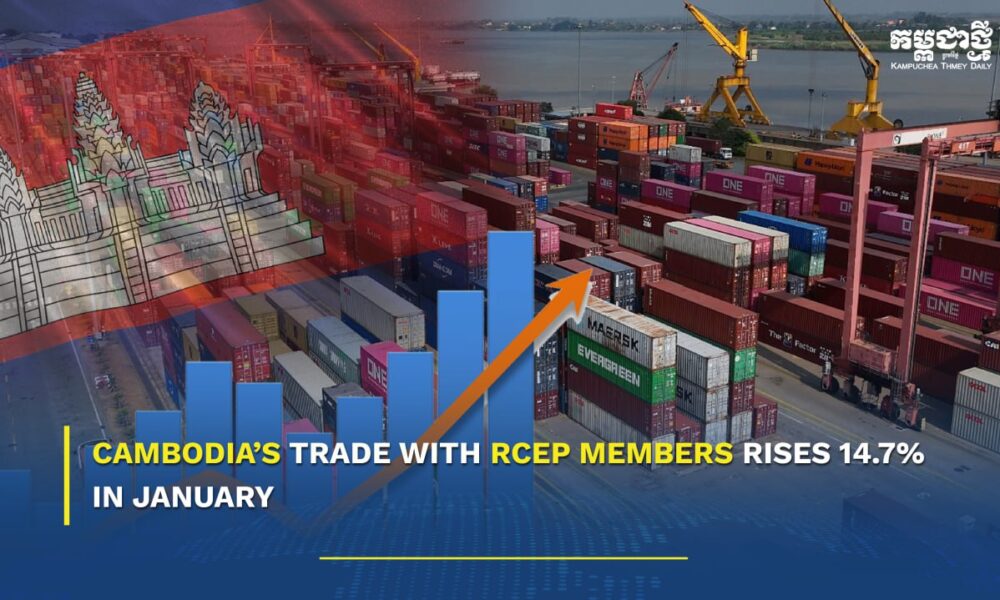
Cambodia’s trade with RCEP members rises 14.7% in January
PHNOM PENH, Feb. 20, 2026 (KPT) – Cambodia’s trade with members of the Regional Comprehensive Economic Partnership (RCEP) reached US$3.76 billion in January, up 14.7 percent from the same period last year, according to the General Department of Customs and Excise (GDCE).
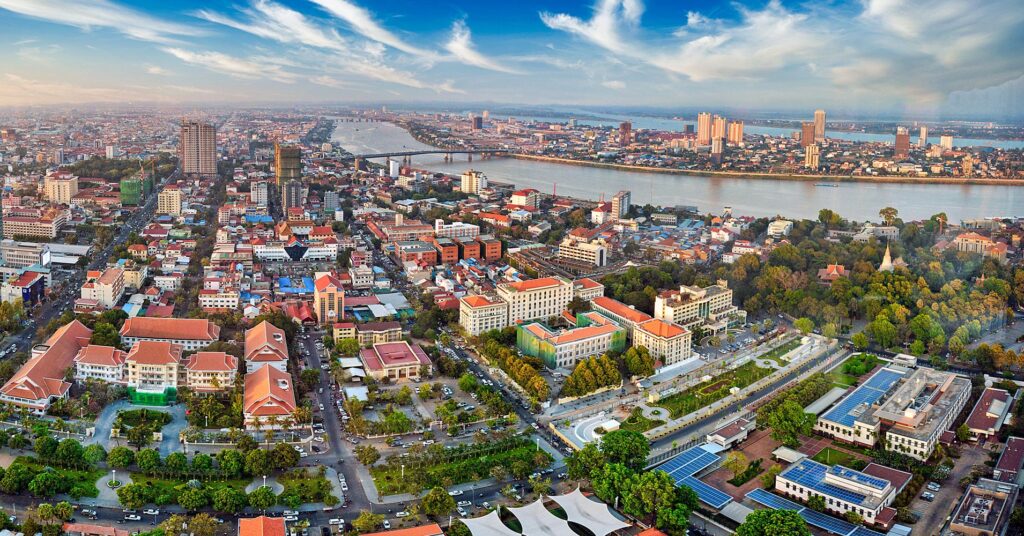
GDCE figures show exports to RCEP partners totaled US$927 million, an increase of 19.3 percent, while imports rose 13.3 percent to US$2.83 billion.
Lim Heng, vice president of the Cambodia Chamber of Commerce, said implementation of the RCEP agreement has boosted trade with partners including Australia, China, Japan, New Zealand, South Korea and ASEAN.
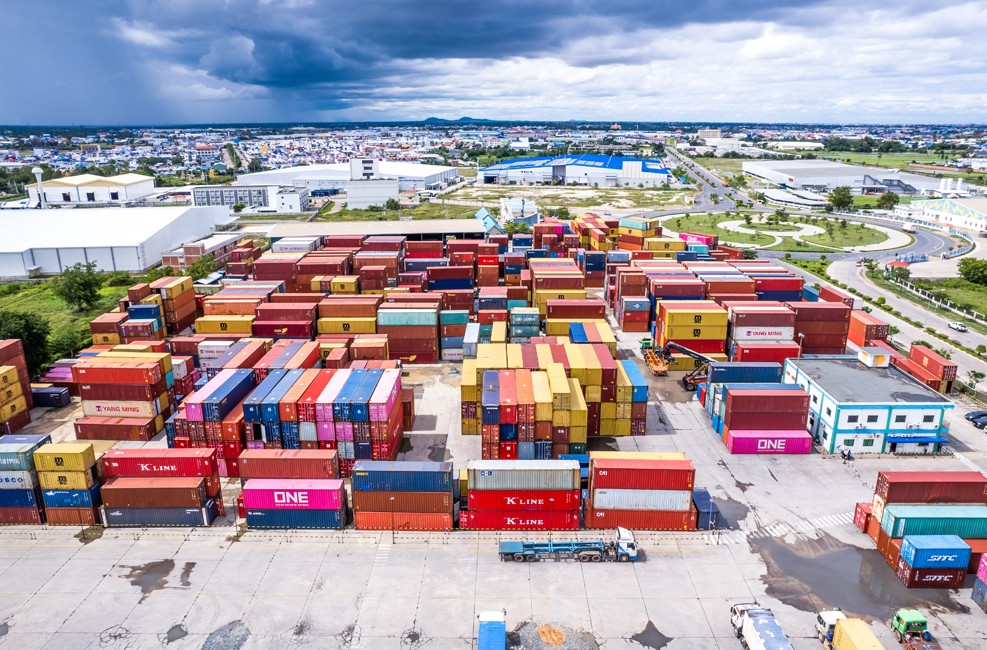
Commerce Minister Cham Nimul said Cambodia’s export promotion strategy combines free trade agreements, RCEP, expansion into new markets and building trust with trading partners. She stressed the government’s commitment to ensuring Cambodian products gain recognition and value in global markets.
RCEP, initiated by ASEAN, is the world’s largest free trade pact, covering 15 countries. Cambodia’s trade with RCEP members in 2025 reached US$40.23 billion, up 16.3 percent from 2024, with exports valued at US$9.8 billion and imports at US$30.44 billion.











-

 National1 month ago
Cambodia Expands Free ID Services While Introducing Clear Fee Structure for Administrative Documents
-

 National3 weeks ago
Cambodia proposes trilateral anti‑crime liaison mechanism with Laos, Vietnam
-

 National2 weeks ago
PM Hun Manet to visit China as trade surges and investment deepens
-

 National2 weeks ago
Cambodia says four soldiers injured in border blast, investigation launched
-

 National1 month ago
Samdech Techo Hun Sen Says Cambodia Can Meet Defence Needs Through Domestic Production
-

 National2 weeks ago
Cambodia opens new distribution hub to expand market access for local businesses
-
 Opinion2 months ago
From Connectivity to Resilience: How Japan’s Strategic Shift Could Transform Cambodia’s Next Development Phase
-
 Economy2 months ago
Cambodia Welcomes 1 Million Tourists in Q1, But Arrivals Fall Sharply Amid Regional Pressures