Economy
ADB Warns U.S. Tariff Could Stall Cambodia’s Growth, Push Thousands Into Poverty
PHNOM PENH, Cambodia (Nov. 11, 2025) — The Asian Development Bank is assessing the potential fallout of U.S. tariffs on Cambodian exports, warning that higher duties could threaten jobs, growth and poverty reduction in the Southeast Asian nation.
In a policy brief released Tuesday, ADB analyzed the economic and social impacts of three possible tariff levels—10%, 19% and 36%—on Cambodia’s export-driven economy. The study, conducted with the Cambodia Development Resource Institute, found that the current 19% tariff, agreed upon in August 2025 following bilateral negotiations, would have a minimal effect on the country’s economic trajectory.
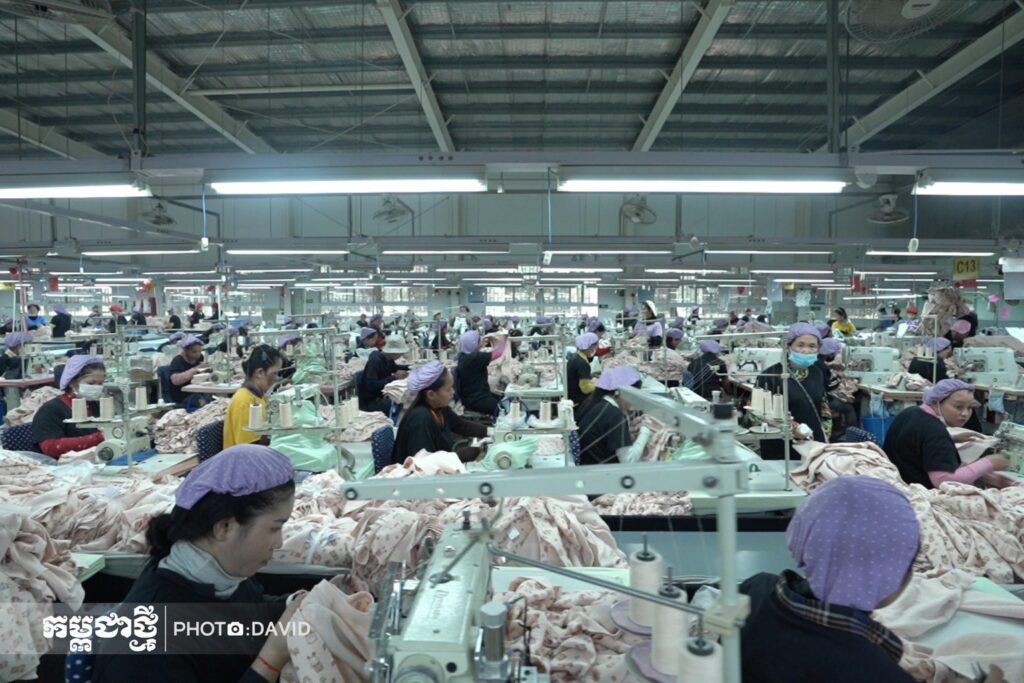
However, the brief cautioned that a higher tariff could reverse recent development gains. A 36% tariff could reduce economic growth by nearly 1 percentage point, eliminate more than 100,000 jobs, and raise the poverty rate by over 1 percentage point. The garment and electronics sectors would be hit hardest, with displaced workers likely shifting to lower-paying jobs in agriculture and basic services.
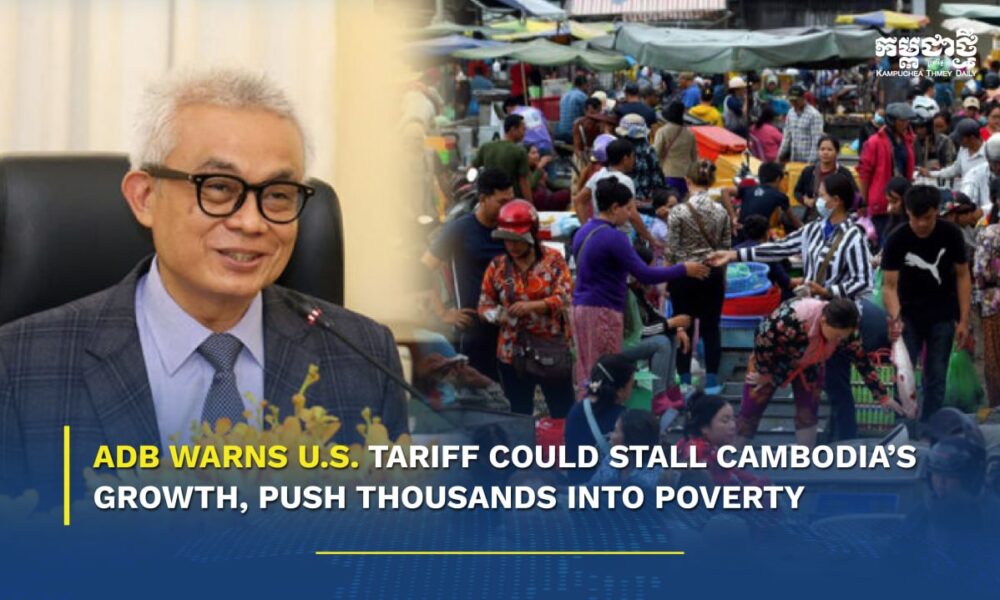
“Economic modelling confirms that the current tariff is indeed manageable, while demonstrating that a higher tariff would have dire consequences for Cambodian families through unemployment and poverty,” said Milan Thomas, ADB country economist for Cambodia and lead author of the brief.
Finance Minister H.E. Aun Pornmoniroth acknowledged the challenges ahead, noting that Cambodia’s economy grew by 6.0% in 2024 but is projected to slow to 4.9% in 2025 due to the tariff’s impact on exports. “We remain committed to safeguarding economic stability and protecting vulnerable communities. The government is actively exploring targeted fiscal measures and market diversification strategies to mitigate the risks posed by external shocks,” he said.
The analysis used modelling from Victoria University’s Center of Policy Studies and household survey data from Cambodia’s National Institute of Statistics. It recommends that if tariffs rise, the government should consider temporary relief measures such as social transfers, employment services and training programs. Long-term resilience, the brief notes, will depend on continued investment in infrastructure, human capital and business reforms.










-
 National1 month ago
Cambodia Expands Free ID Services While Introducing Clear Fee Structure for Administrative Documents
-
 National3 weeks ago
Cambodia proposes trilateral anti‑crime liaison mechanism with Laos, Vietnam
-
 National2 weeks ago
PM Hun Manet to visit China as trade surges and investment deepens
-

 National2 weeks ago
Cambodia says four soldiers injured in border blast, investigation launched
-
 National1 month ago
Samdech Techo Hun Sen Says Cambodia Can Meet Defence Needs Through Domestic Production
-
 National2 weeks ago
Cambodia opens new distribution hub to expand market access for local businesses
-
 Opinion2 months ago
From Connectivity to Resilience: How Japan’s Strategic Shift Could Transform Cambodia’s Next Development Phase
-
 Economy2 months ago
Cambodia Welcomes 1 Million Tourists in Q1, But Arrivals Fall Sharply Amid Regional Pressures