Economy
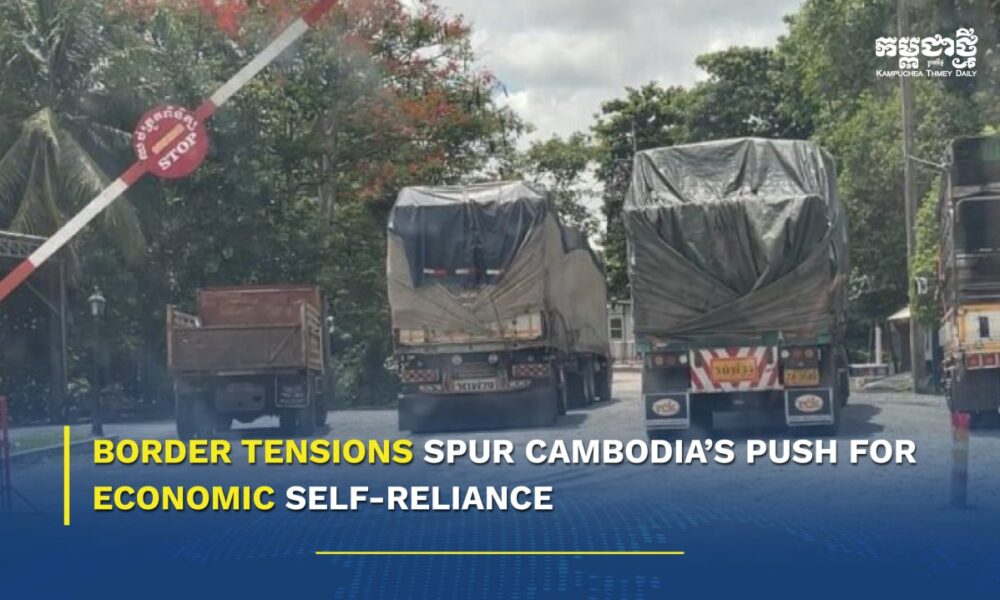
Border Tensions Spur Cambodia’s Push for Economic Self-Reliance
PHNOM PENH, Cambodia (Oct. 15, 2025) — Cambodia’s recent border tensions with Thailand have triggered a sweeping shift in economic strategy, accelerating the country’s move toward industrial self-reliance and market diversification, according to Bora Chhay, Managing Director of BGA Cambodia, a strategic advisory firm headquartered in Washington, D.C.

In a commentary released this week, Bora said the July skirmish and Thailand’s unilateral border closure in June disrupted bilateral trade and supply chains, but also catalyzed Cambodia’s economic transformation.
“Cambodia’s recent experience amid border tensions with Thailand has prompted a broader trajectory of steady resilience and adaptive governance,” Bora wrote. “The country has turned external challenges into opportunities to build domestic industrial capacity, empowering small and medium-sized enterprises and advancing market diversification.”
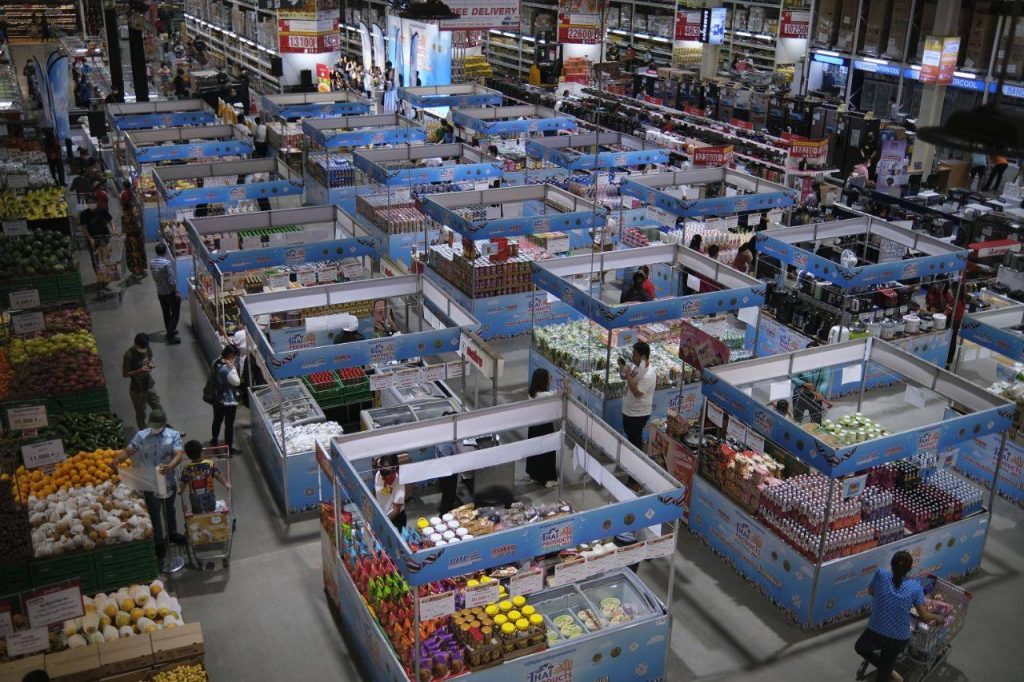
For decades, Thai goods dominated Cambodia’s consumer market, from fuel and food to pharmaceuticals and construction materials. In 2024, bilateral trade reached $4.3 billion, with Thailand exporting $3.4 billion worth of goods to Cambodia. But in the first eight months of 2025, trade fell 4.6 percent amid border disruptions.
Bora said the tensions have reshaped trade routes, with Cambodian agricultural goods now exported directly to China and Vietnam, bypassing Thai intermediaries and raising farmer incomes. He also noted that Japanese investors operating in Thailand’s border provinces have faced production delays and rising logistics costs due to the closure, prompting calls for urgent intervention.
“Beyond absorbing a substantial portion of Thai exports, Cambodia functions as a critical transit corridor for regional trade. Border towns such as Poipet, Cham Yeam (Koh Kong), and crossings along the Southern Economic Corridor (SEC) play a pivotal role in facilitating the movement of Thai goods bound for Vietnam, Laos, and southern China. The recent border closure severely disrupted these flows, even though precise data on the full extent of the impact remains unavailable to the public,” he added.
The disruption sparked a nationwide boycott of Thai goods, redirecting consumer demand toward domestic products. “The boycott was both a form of economic resistance and self-reliance — a grassroots shift that redirected demand toward domestic industries and alternative imports,” Bora said.
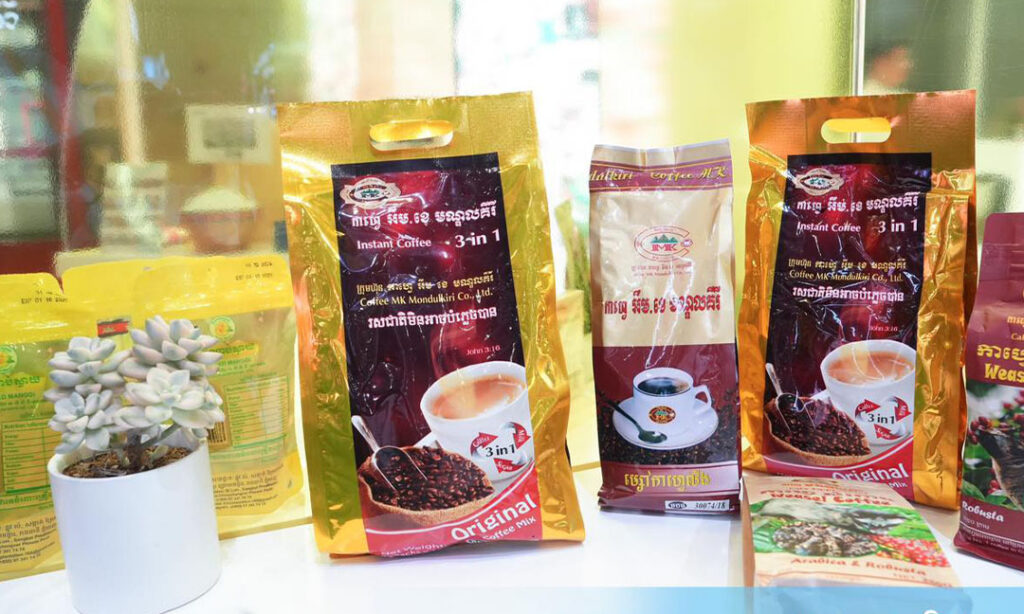
Cambodia’s SMEs have gained momentum, supported by rising consumer patriotism and government initiatives. In September, the Khmer Products Exhibition in Phnom Penh showcased over 100 locally made products from 300 enterprises, drawing large crowds and signaling growing confidence in the “Made in Cambodia” brand.
“The strategy will mitigate exposure to external disruptions,” Bora said, “and the government hopes it will attract diversified investment and strengthen consumer confidence in homegrown products.”
Bilateral trade between Cambodia and Thailand totaled $2.66 billion in the first eight months of 2025, marking a 4.6% decline compared to the same period in 2024, according to the General Department of Customs and Excise.
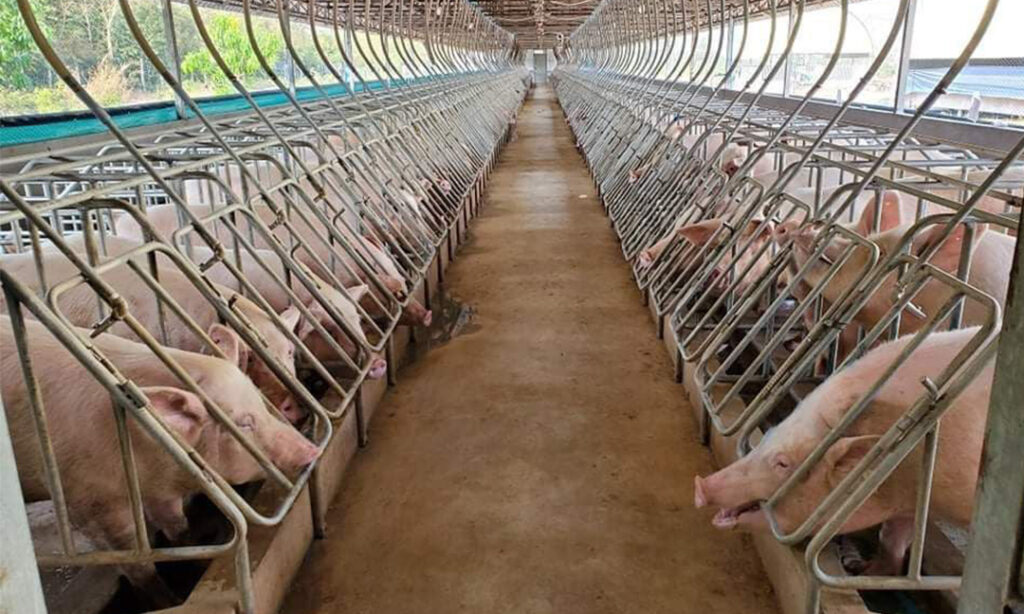
Cambodia’s exports to Thailand reached approximately $535 million, down 6.4%, while imports from Thailand dropped 4.1% to $2.12 billion. The decline is largely attributed to border closures and supply chain disruptions following heightened tensions between the two countries in mid-2025.













-

 National2 months ago
Cambodia Expands Free ID Services While Introducing Clear Fee Structure for Administrative Documents
-

 National3 weeks ago
Cambodia proposes trilateral anti‑crime liaison mechanism with Laos, Vietnam
-

 National2 weeks ago
PM Hun Manet to visit China as trade surges and investment deepens
-

 National2 weeks ago
Cambodia says four soldiers injured in border blast, investigation launched
-

 National1 month ago
Samdech Techo Hun Sen Says Cambodia Can Meet Defence Needs Through Domestic Production
-

 National2 weeks ago
Cambodia opens new distribution hub to expand market access for local businesses
-

 Opinion2 months ago
From Connectivity to Resilience: How Japan’s Strategic Shift Could Transform Cambodia’s Next Development Phase
-

 Economy2 months ago
Cambodia Welcomes 1 Million Tourists in Q1, But Arrivals Fall Sharply Amid Regional Pressures