Economy
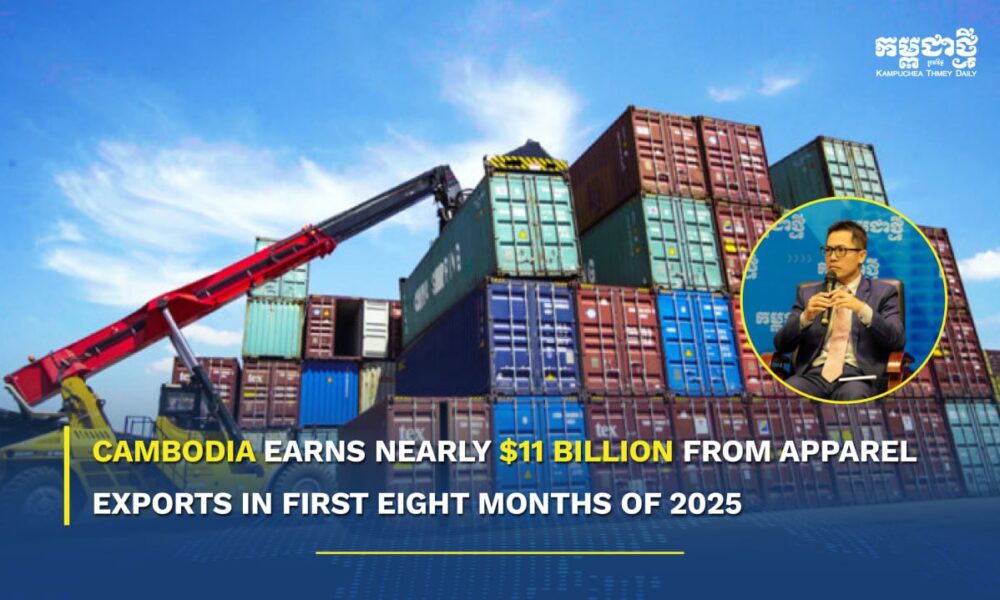
Cambodia Earns Nearly $11 Billion from Apparel Exports in First Eight Months of 2025
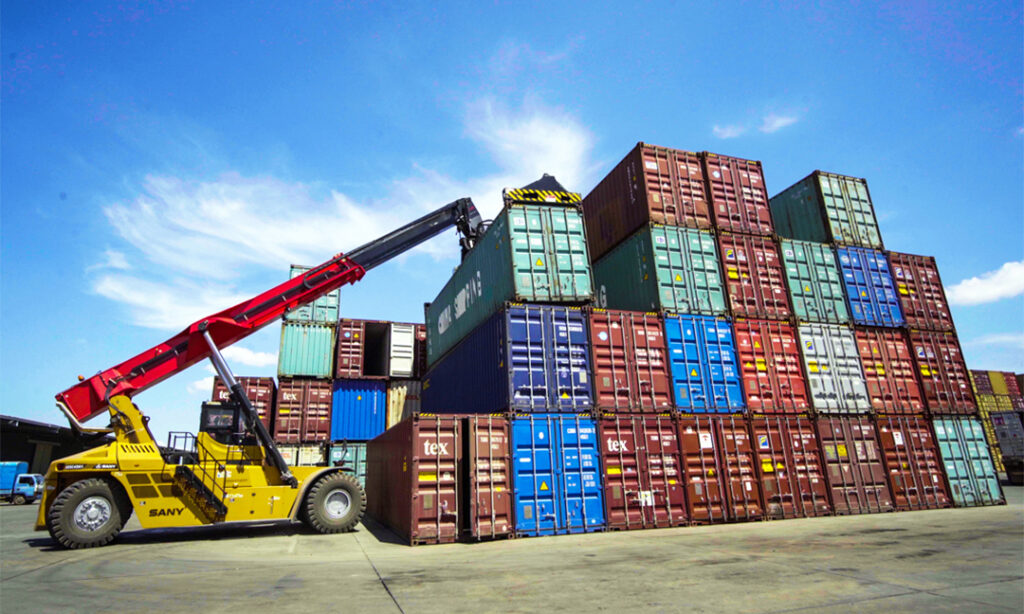
PHNOM PENH, Cambodia (Oct.01, 2025) — Cambodia earned approximately $10.97 billion from textile-related exports between January and August 2025, marking a 19% year-on-year increase, according to data released by the Ministry of Commerce.
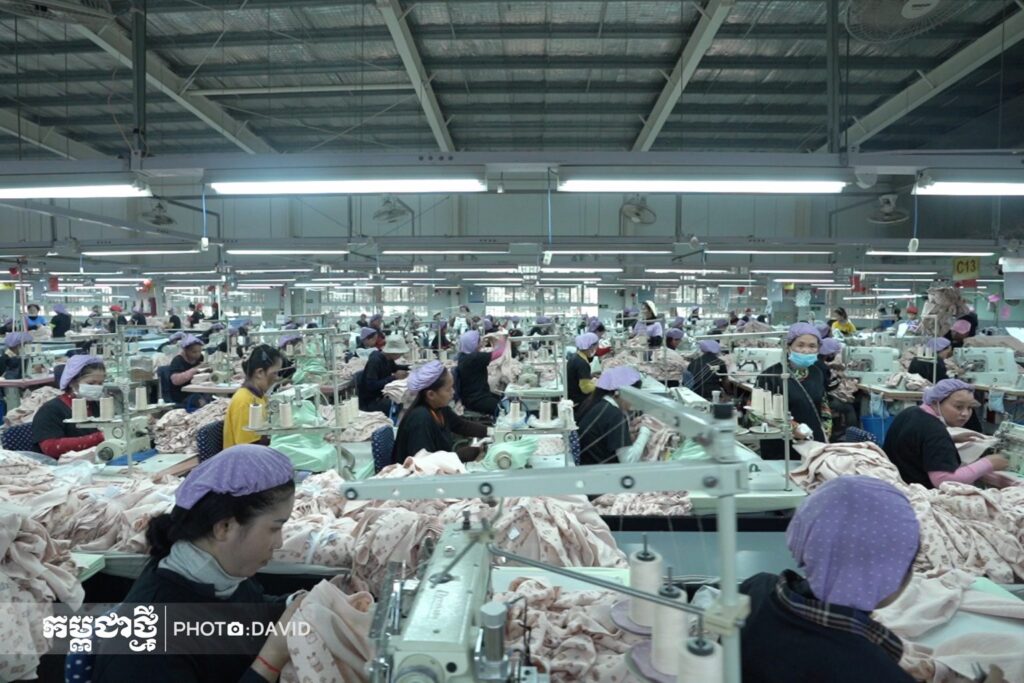
Garments remained the dominant export category, generating $7.73 billion—up 19.29% from the same period last year. Travel goods brought in $1.39 billion, a 5.87% rise, while footwear exports surged 28.63% to $1.4 billion.
Kang Monika, Deputy Secretary-General of the Textile, Apparel, Footwear & Travel Goods Association in Cambodia (TAFTAC), said the sector continues to perform strongly despite external pressures, including recent tariff announcements by the U.S. administration. “So far, there’s been no significant disruption to operations,” he noted.
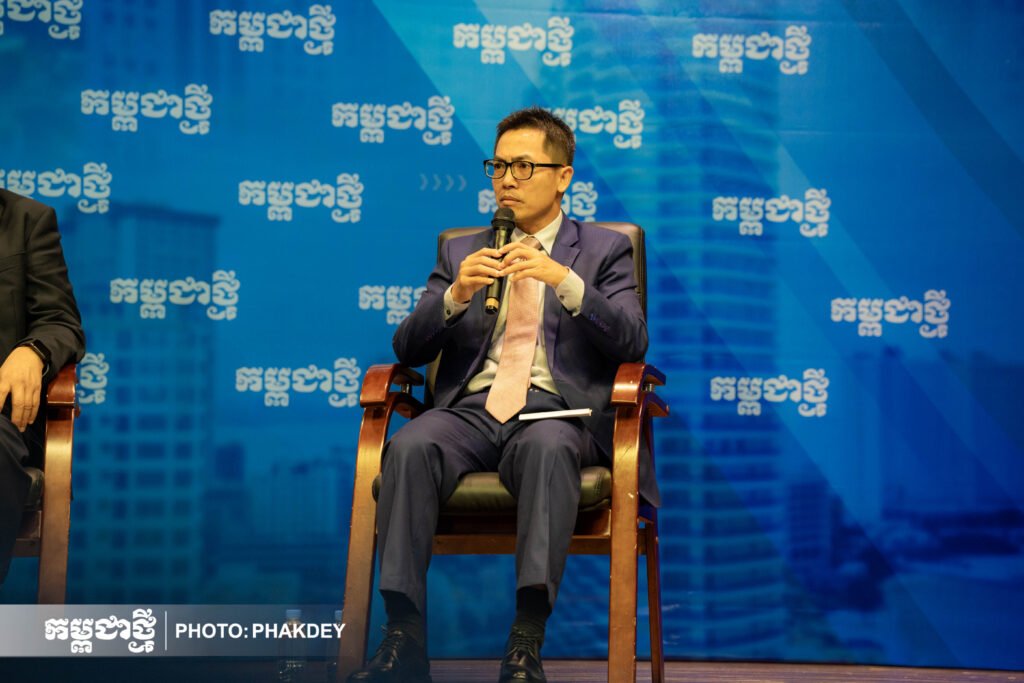
Commerce Ministry spokesperson Pen Sovicheat said the government is actively pursuing market and product diversification. “We’re expanding through free trade agreements and encouraging domestic industries to produce a wider range of goods to meet global demand,” he said.
In its September update, the Asian Development Bank revised Cambodia’s 2025 growth forecast from 6.1% to 4.9%, citing global economic headwinds. However, the ADB said Cambodia’s economy remains resilient, supported by industrial expansion and steady foreign direct investment.
Garment exports surged 22.2% in the first half of 2025, partly driven by U.S. buyers anticipating higher tariffs. The ADB noted that Cambodia’s manufacturing sector is likely to remain robust, aided by a relatively favorable 19% U.S. tariff rate.
Inflation has also eased significantly, falling from 6.0% in January to 1.6% in June. The annual average is expected to hover around 2.0% for both 2025 and 2026, supported by stable fuel prices and moderate food costs.
Officials say Cambodia’s textile sector remains a cornerstone of the national economy, employing hundreds of thousands of people and contributing to the country’s export-led growth. With continued investment and policy support, the industry is expected to maintain its upward trajectory through the remainder of the year.








-

 National2 months ago
Cambodia Expands Free ID Services While Introducing Clear Fee Structure for Administrative Documents
-

 National3 weeks ago
Cambodia proposes trilateral anti‑crime liaison mechanism with Laos, Vietnam
-
 National2 weeks ago
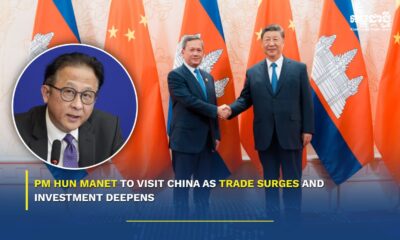
PM Hun Manet to visit China as trade surges and investment deepens
-

 National2 weeks ago
Cambodia says four soldiers injured in border blast, investigation launched
-

 National1 month ago
Samdech Techo Hun Sen Says Cambodia Can Meet Defence Needs Through Domestic Production
-
 National2 weeks ago
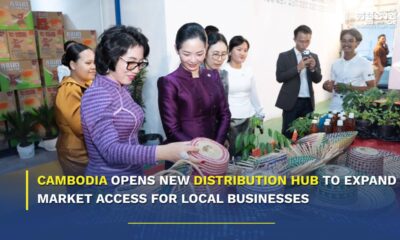
Cambodia opens new distribution hub to expand market access for local businesses
-
 Opinion2 months ago
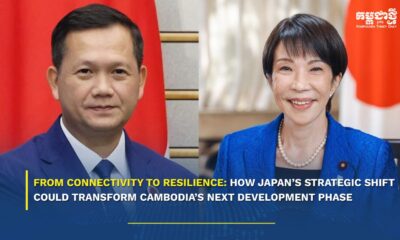
From Connectivity to Resilience: How Japan’s Strategic Shift Could Transform Cambodia’s Next Development Phase
-
 Economy2 months ago
Cambodia Welcomes 1 Million Tourists in Q1, But Arrivals Fall Sharply Amid Regional Pressures