Economy
Cambodia Boosts Investment Climate as FDI Rises and Worker Benefits Improve
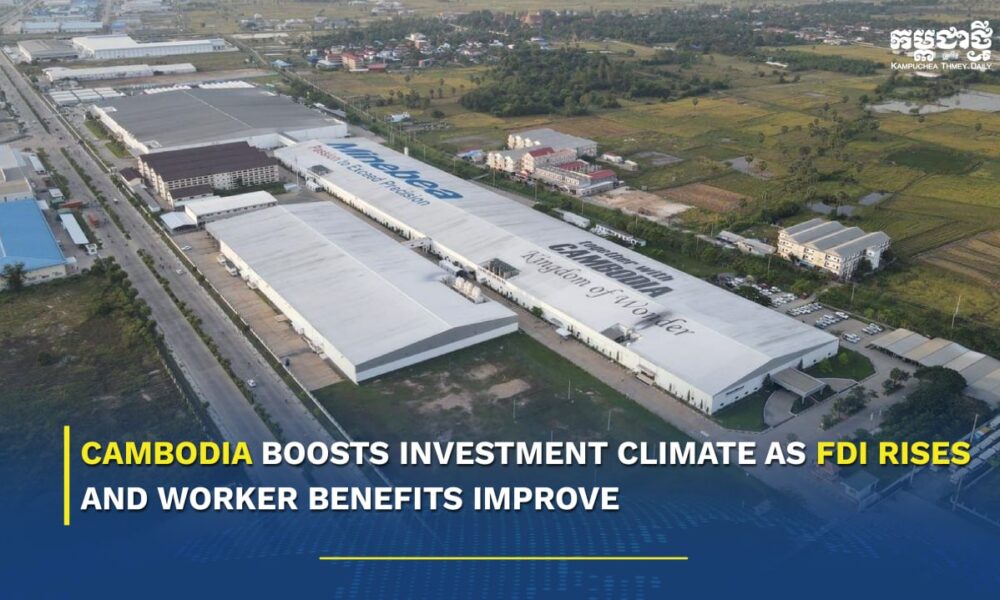
PHNOM PENH, April 27, 2026 (KPT) — Cambodia is intensifying efforts to strengthen its business environment as foreign direct investment rises and new measures are introduced to improve worker welfare, Prime Minister Samdech Thipadei Hun Manet said Sunday.
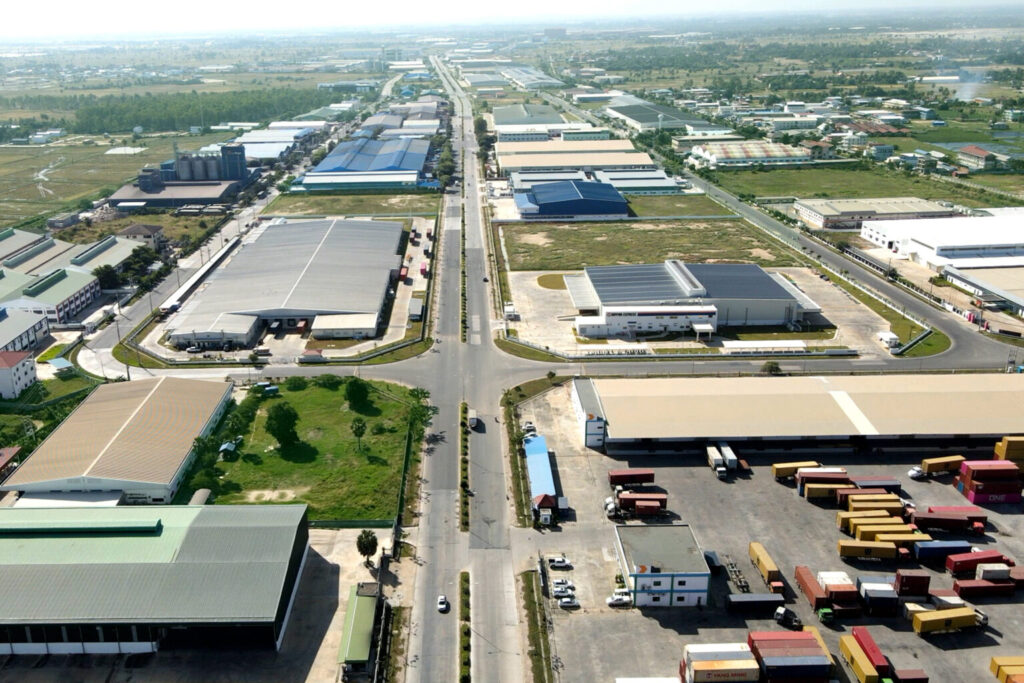
According to the Council for the Development of Cambodia, 105 foreign investment projects worth about US$966 million were approved in the first two months of 2026, signaling sustained investor confidence in the country’s economic outlook. The number of registered enterprises has also grown to more than 47,000, employing around 2.3 million workers nationwide.
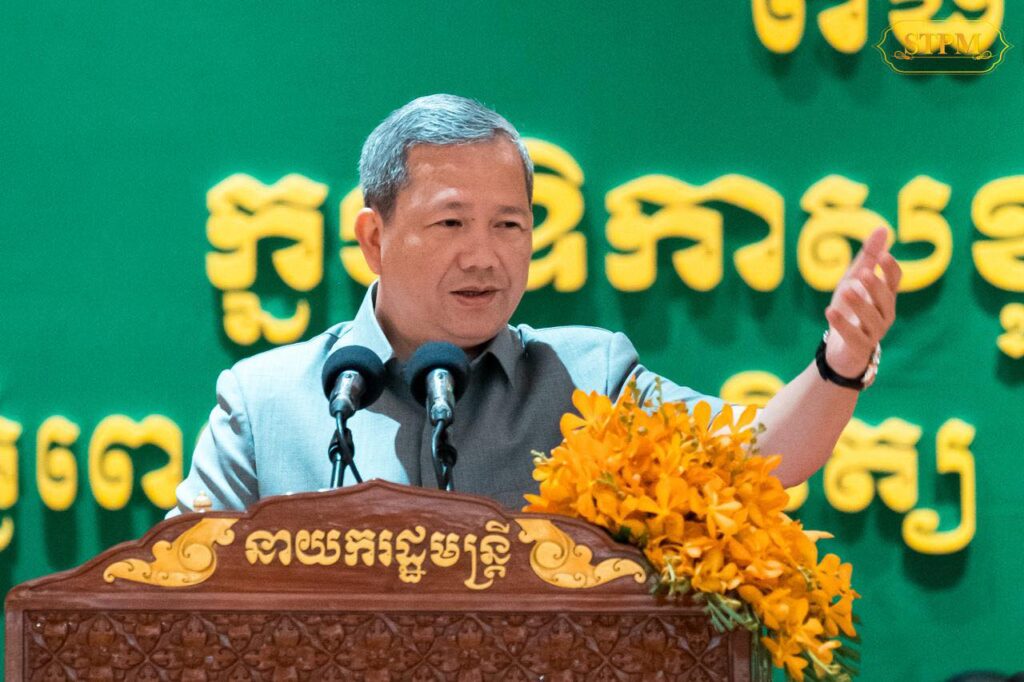
Alongside investment growth, the government has taken steps to enhance workers’ livelihoods, including raising the minimum wage in the textile, garment, footwear and travel goods sectors to US$210 per month. Temporary travel allowances and fuel price relief have also been introduced to ease cost of living pressures.
The dual focus on attracting investment and improving worker benefits underscores Cambodia’s strategy to promote inclusive growth, strengthen competitiveness and ensure long term resilience amid global uncertainty.












-

 National1 month ago
Cambodia Expands Free ID Services While Introducing Clear Fee Structure for Administrative Documents
-

 National3 weeks ago
Cambodia proposes trilateral anti‑crime liaison mechanism with Laos, Vietnam
-

 National2 weeks ago
PM Hun Manet to visit China as trade surges and investment deepens
-

 National2 weeks ago
Cambodia says four soldiers injured in border blast, investigation launched
-

 National1 month ago
Samdech Techo Hun Sen Says Cambodia Can Meet Defence Needs Through Domestic Production
-

 National2 weeks ago
Cambodia opens new distribution hub to expand market access for local businesses
-

 Opinion2 months ago
From Connectivity to Resilience: How Japan’s Strategic Shift Could Transform Cambodia’s Next Development Phase
-
 Economy2 months ago
Cambodia Welcomes 1 Million Tourists in Q1, But Arrivals Fall Sharply Amid Regional Pressures