Economy
Experts Warn Thai MoU Cancellation Risks Energy Delay
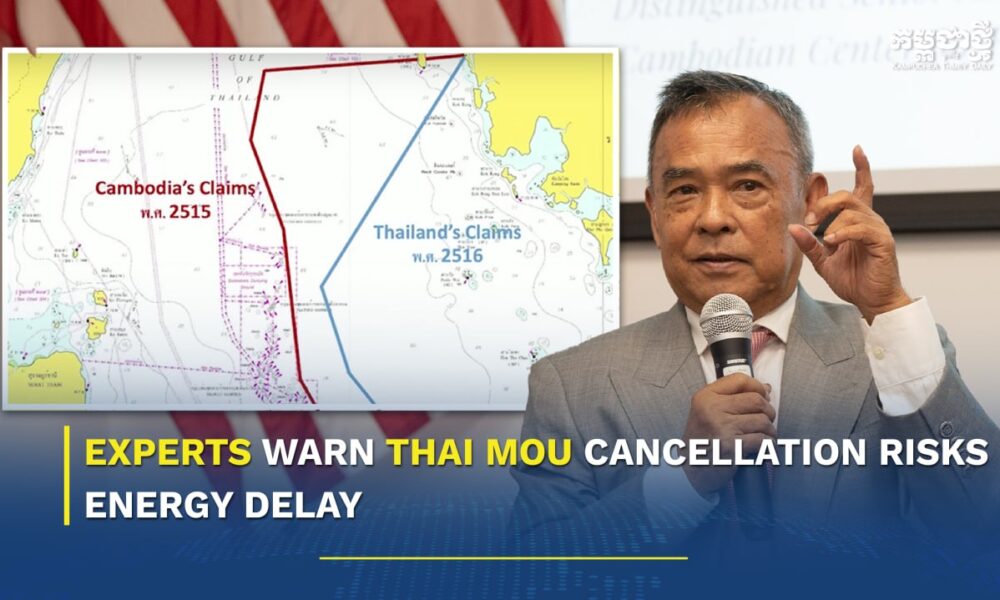
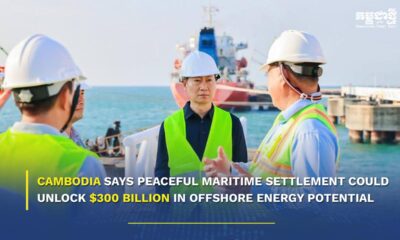
PHNOM PENH, May 15, 2026 (KPT) — Thailand’s cancellation of a 2001 maritime pact with Cambodia risks delaying joint oil and gas development in the Gulf of Thailand, undermining energy security and deepening diplomatic tensions, regional experts said Friday.
The memorandum of understanding (MoU) had provided a framework for boundary talks and joint exploration in an overlapping claims area believed to hold major reserves. Thailand’s cabinet approved its termination on May 5, following months of heightened tensions after armed border clashes in 2025.
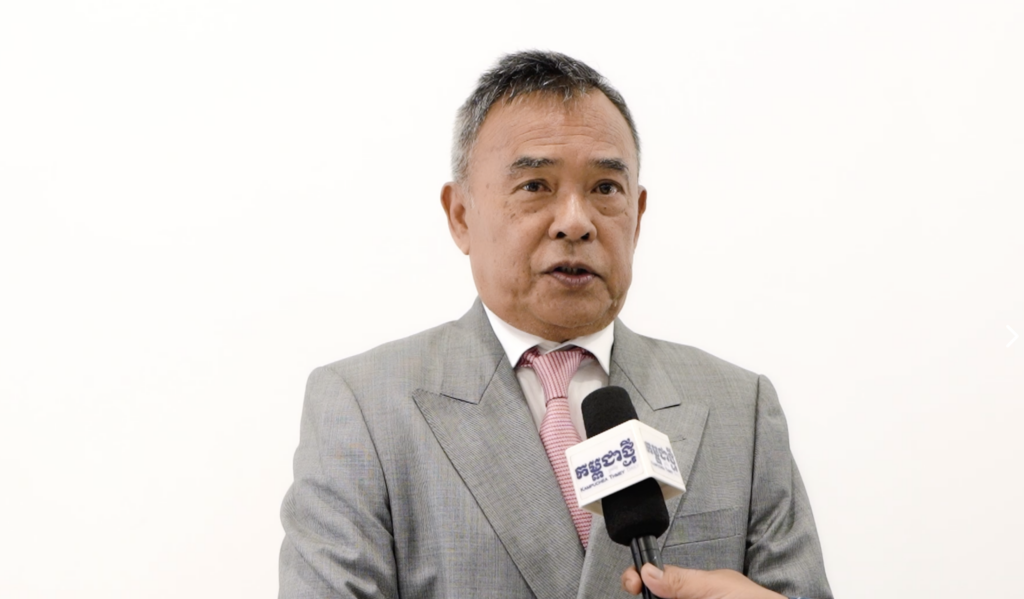
Pou Sothirak, senior advisor at the Cambodian Center for Regional Studies, warned that without cooperation both countries risk losing valuable opportunities. “There is an almost proven reserve of both natural gas and oil in that area,” he told KPT English, stressing Cambodia’s long support for joint development as a practical solution.
Analysts estimate the 26,000‑square‑kilometre zone could contain up to 11 trillion cubic feet of natural gas and millions of barrels of oil. They say Thailand’s withdrawal complicates boundary talks and adds uncertainty to future energy projects, at a time when Southeast Asian economies face rising demand and geopolitical volatility.
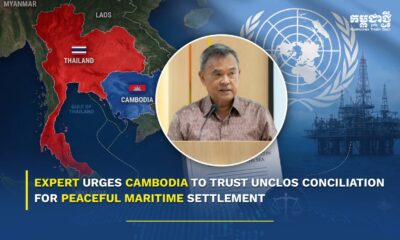
Cambodia has announced plans to seek compulsory conciliation under the UN Convention on the Law of the Sea, aiming to manage the dispute through international legal mechanisms. Officials argue that a mutually acceptable framework could secure economic benefits while reducing the risk of renewed confrontation.
Despite growing tensions, Sothirak voiced optimism that trust could be rebuilt through diplomacy and ASEAN‑supported dialogue. He cautioned that prolonged disputes not only threaten bilateral relations but could also undermine regional stability and ASEAN’s credibility if left unresolved.
The cancellation marks a setback for energy cooperation in a resource‑rich zone long viewed as capable of contributing to the growth and security of both nations.







-
 National2 months ago
Cambodia Expands Free ID Services While Introducing Clear Fee Structure for Administrative Documents
-
 National3 weeks ago
Cambodia proposes trilateral anti‑crime liaison mechanism with Laos, Vietnam
-
 National2 weeks ago
PM Hun Manet to visit China as trade surges and investment deepens
-

 National2 weeks ago
Cambodia says four soldiers injured in border blast, investigation launched
-

 National1 month ago
Samdech Techo Hun Sen Says Cambodia Can Meet Defence Needs Through Domestic Production
-

 National2 weeks ago
Cambodia opens new distribution hub to expand market access for local businesses
-
 Opinion2 months ago
From Connectivity to Resilience: How Japan’s Strategic Shift Could Transform Cambodia’s Next Development Phase
-
 Economy2 months ago
Cambodia Welcomes 1 Million Tourists in Q1, But Arrivals Fall Sharply Amid Regional Pressures