National
Cambodia’s Sovereign Crackdown on Online Scams Marks Regional Turning Point
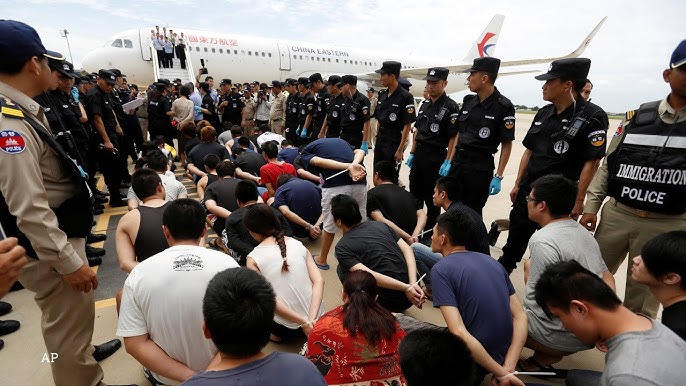
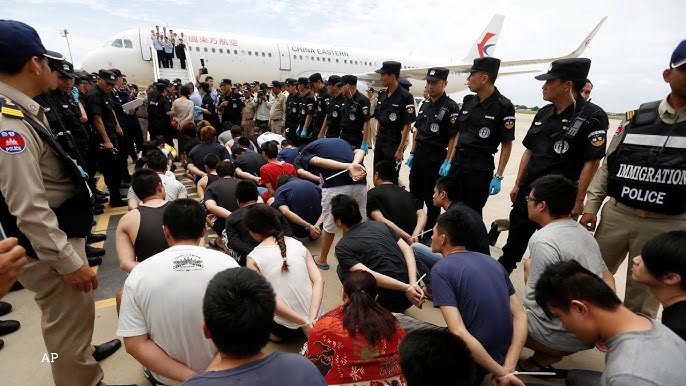
PHNOM PENH, Cambodia (Dec. 21 , 2025) —Cambodia has carried out one of Southeast Asia’s most extensive crackdowns on online scams and transnational crime, according to a recent Bower Group Asia (BGA) report released in October.
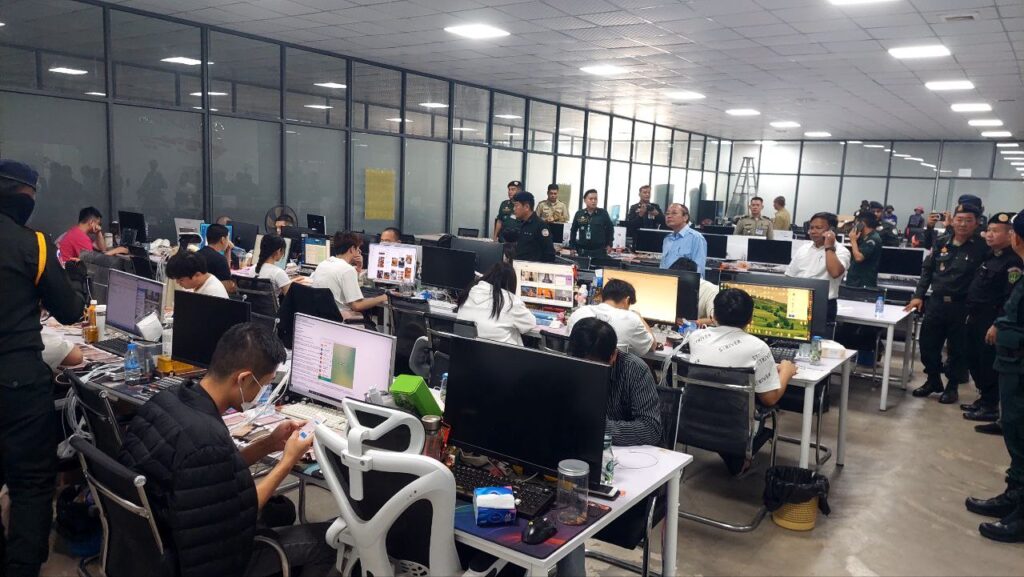
Over the past year, authorities have arrested more than 5,000 suspects and dismantled 92 scam sites in what officials call a milestone of domestic reform and national sovereignty, Bora Chhay, Managing Director of BGA Cambodia, a strategic advisory firm headquartered in Washington, D.C. wrote in the report.
The campaign, directed by Prime Minister Hun Manet through the Commission for Combating Online Scams (CCOS) and the National Counter‑Cybercrime Committee (NCCC), has unfolded amid heightened regional diplomatic pressure to dismantle cross-border online scam syndicates, Phnom Penh has pursued a sovereign, self-driven approach, prioritising national enforcement, while maintaining cooperation with South Korea, China, United States, ASEAN members, and other partners.
Samdech Thipadei Hun Manet has rejected external direction, insisting Cambodia will enforce its own laws. “Cambodia does not need any neighboring country to carry out such work on its behalf,” he said earlier this year.
Authorities say the crackdown has been coordinated across ministries of Interior, Justice, Post and Telecommunications and Foreign Affairs, alongside the national police and Anti‑Cybercrime Department. The framework institutionalizes a whole‑of‑government response, synchronizing policy, investigations, prosecutions and diplomatic channels.
Operations from October 2024 to October 2025 targeted scam sites in Sihanoukville, Phnom Penh, Poipet and Bavet, seizing thousands of phones, computers and passports. Hun Manet has tied enforcement to administrative reform, warning in July that “failure to comply or cooperate will be subject to evaluation when considering appointments, transfers or terminations.”
The campaign has also tested Cambodia’s ability to balance sovereignty independence with constructive partnership.
Following the death of a Korean national linked to scam operations, Hun Manet pledged to “apprehend the suspect and protect Koreans in Cambodia” during talks with Korean Vice Foreign Minister Kim Jin‑ah. Cambodia has since expanded cooperation through memorandums of understanding with Singapore and Indonesia, amended agreements with the Philippines, and strengthened coordination with China, Korea, Malaysia and ASEAN neighbors.
At the global level, Cambodia’s domestic enforcement has coincided with U.S. and U.K. efforts to dismantle cybercriminal networks in Southeast Asia. The Interior Ministry reiterated that “Cambodia does not protect individuals who violate the law,” signaling readiness to cooperate through formal legal channels.
Bora, said the campaign has reshaped perceptions of Cambodia’s governance. “This is not just about arrests and seizures — it is about demonstrating that Cambodia takes a leading role in the region, enforcing its laws on sovereign terms while engaging constructively with partners,”. “That dual message of independence and cooperation is what gives investors and the international community confidence.”
Bora continue “online scam syndicates have grown into a major global problem, linking cyber fraud, human trafficking, and corruption into one cross-border criminal industry. They take advantage of gaps in laws and weak coordination between countries, creating impacts that now reach far beyond any single country and region.” “It’s time to stop blaming and start focusing on real solutions.”
Officials say the crackdown has reinforced regulatory consistency, institutional accountability and evidence‑based enforcement, marking a shift from reactive governance to assertive problem‑solving. Analysts note the campaign has strengthened Cambodia’s economic and diplomatic standing, positioning the country as a credible, self‑reliant partner in regional cyber governance.
Am Sam Ath, operations director of the Cambodian League for the Promotion and Defense of Human Rights (LICADHO), acknowledged the government’s efforts but warned that the Tier 3 ranking damages Cambodia’s international image and economic prospects.
The United Nations Office on Drugs and Crime (UNODC) reported in April that transnational criminal groups are expanding operations in Southeast Asia. It noted that increased enforcement in urban areas has pushed these groups into more remote regions, where they face fewer obstacles.






-
 National1 month ago
Cambodia Expands Free ID Services While Introducing Clear Fee Structure for Administrative Documents
-
 National3 weeks ago
Cambodia proposes trilateral anti‑crime liaison mechanism with Laos, Vietnam
-

 National2 weeks ago
PM Hun Manet to visit China as trade surges and investment deepens
-
 National2 weeks ago
Cambodia says four soldiers injured in border blast, investigation launched
-

 National1 month ago
Samdech Techo Hun Sen Says Cambodia Can Meet Defence Needs Through Domestic Production
-

 National2 weeks ago
Cambodia opens new distribution hub to expand market access for local businesses
-
 Opinion2 months ago
From Connectivity to Resilience: How Japan’s Strategic Shift Could Transform Cambodia’s Next Development Phase
-

 Economy2 months ago
Cambodia Welcomes 1 Million Tourists in Q1, But Arrivals Fall Sharply Amid Regional Pressures