National
Analysts Urge Global Powers to Act as Thai-Cambodian Border Violence Escalates
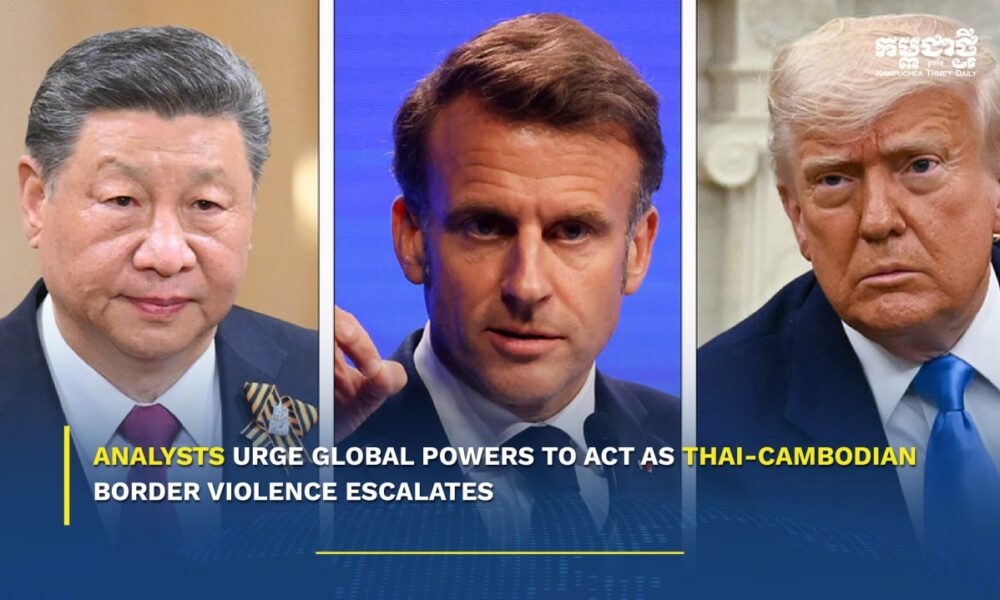
PHNOM PENH, Cambodia (Dec. 10, 2025) — Cambodian political and security analysts are calling on major world powers, including the United States, China and European nations, to take decisive measures to pressure Thailand to halt what they describe as brutal and uncontrolled military attacks along the border. They argue repeated diplomatic appeals for restraint have failed, while Thai forces allegedly continue targeting civilians across multiple provinces.
Trump to Call Cambodia, Thailand as Border Violence Displaces More Than 100,000
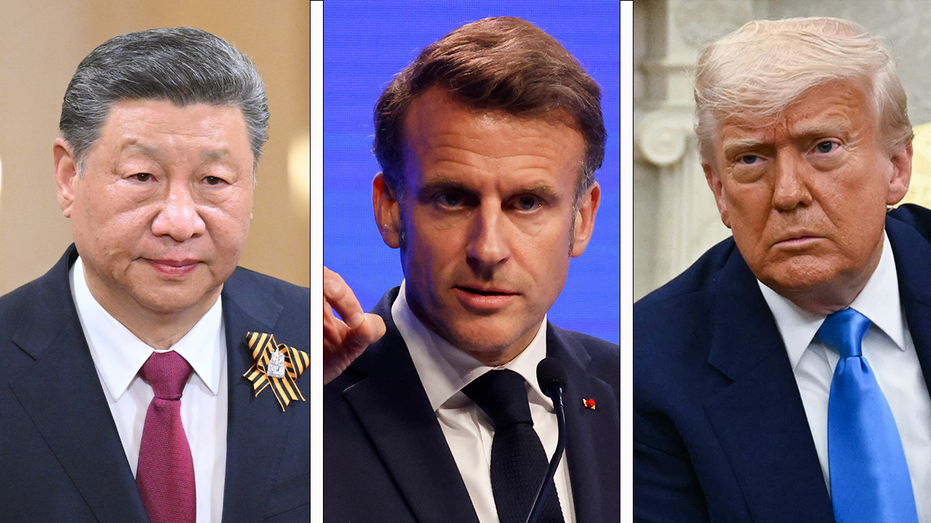
On Dec. 9, U.S. President Donald Trump announced he planned to contact the leaders of Cambodia and Thailand following renewed clashes, linking the move to his “peace through strength” approach.
“Tomorrow I’ll have to make a phone call to both countries,” Trump said at an event in Pennsylvania. “Who else could say, ‘I’m going to make a phone call and stop a war of two very powerful countries’? We’re making peace through strength.”
Cambodian experts say phone calls and verbal appeals from major powers are no longer sufficient.
Analysts: Appeals for Restraint Have Failed
Kin Phea, a political scientist in Phnom Penh, argued that global powers must take clear, forceful actions. “Calling is nothing,” he said. “They urge maximum restraint, but how does that work when Thai armed forces continue their brutal attacks, using heavy weapons and launching strikes against Cambodia? How can Cambodia remain patient while Thailand attacks us? It doesn’t make sense.”
He accused Thailand of showing “no genuine commitment” to peaceful resolution, claiming Bangkok has repeatedly violated agreed principles and acted like a “rogue state.”
Phea criticized Thailand’s withdrawal from the Kuala Lumpur Peace Accord, signed in October and witnessed by Trump and Malaysian Prime Minister Anwar Ibrahim.
“Thailand tore up the agreement without hesitation,” he said. “The United States should apply tariff pressure or other measures to push Thailand back into full implementation.”
Domestic Politics Behind Thai Messaging
Thailand’s renewed security rhetoric is more about domestic politics than military necessity, according to Chhay Bora, a strategic advisor and government affairs expert.
“Thailand is facing serious internal political tension, and such strong national security messaging is often used by Prime Minister Anutin, Thai leaders and the military to appear tough to voters, distract from internal issues, and reinforce their leadership image ahead of the 2026 elections,” Bora said.
He added that Anutin’s latest statement “appears driven more by political positioning than military necessity, crafted to create pressure, control the narrative, and rally public support at home.”
Cambodia’s Position: No Aggression, Only Self-Defense
Geopolitical analyst Yang Peou said Cambodia has consistently avoided initiating hostilities. “
We see no scenario in which Cambodia attempted to invade or commit aggression against Thailand. What evidence is there?” he asked. “Before Cambodia used self-defense measures, it exercised patience for more than 24 hours.”
Peou said Cambodia values peace and stability, and has complied with agreed principles, while Thai forces allegedly engaged in provocations that triggered the fighting.
He called on witness nations of the Kuala Lumpur Accord, including the U.S. and China, to take immediate action against Thailand for failing to uphold the agreement.
International Reactions
On Dec. 10, U.S. Secretary of State Marco Rubio expressed concern over the resurgence of fighting, urging an immediate cessation of hostilities and protection of civilians.
Chinese Foreign Ministry spokesperson Guo Jiakun on Dec. 9 called on both nations to show restraint and prevent further escalation, adding that Beijing will continue playing a constructive role.
Humanitarian Toll
Cambodia’s Ministry of National Defence said Dec. 10 marked the third consecutive day of attacks allegedly initiated by Thai forces, including airstrikes, artillery fire and the use of F‑16 fighter jets targeting civilian areas.
Between Dec. 7 and 9, the ministry reported 20,105 families — more than 101,000 people — displaced across Military Regions 4 and 5, with seven civilians killed and 20 seriously injured.
Officials said Thai forces have expanded attacks to additional border areas, continuing to fire heavy weapons into Cambodian territory and causing widespread fear among local communities.

-
 National2 months ago
Cambodia Expands Free ID Services While Introducing Clear Fee Structure for Administrative Documents
-
 National3 weeks ago
Cambodia proposes trilateral anti‑crime liaison mechanism with Laos, Vietnam
-
 National3 weeks ago
PM Hun Manet to visit China as trade surges and investment deepens
-
 National2 weeks ago
Cambodia says four soldiers injured in border blast, investigation launched
-
 National1 month ago
Samdech Techo Hun Sen Says Cambodia Can Meet Defence Needs Through Domestic Production
-

 National3 weeks ago
Cambodia opens new distribution hub to expand market access for local businesses
-
 Opinion2 months ago
From Connectivity to Resilience: How Japan’s Strategic Shift Could Transform Cambodia’s Next Development Phase
-
 Economy2 months ago
Cambodia Welcomes 1 Million Tourists in Q1, But Arrivals Fall Sharply Amid Regional Pressures