National
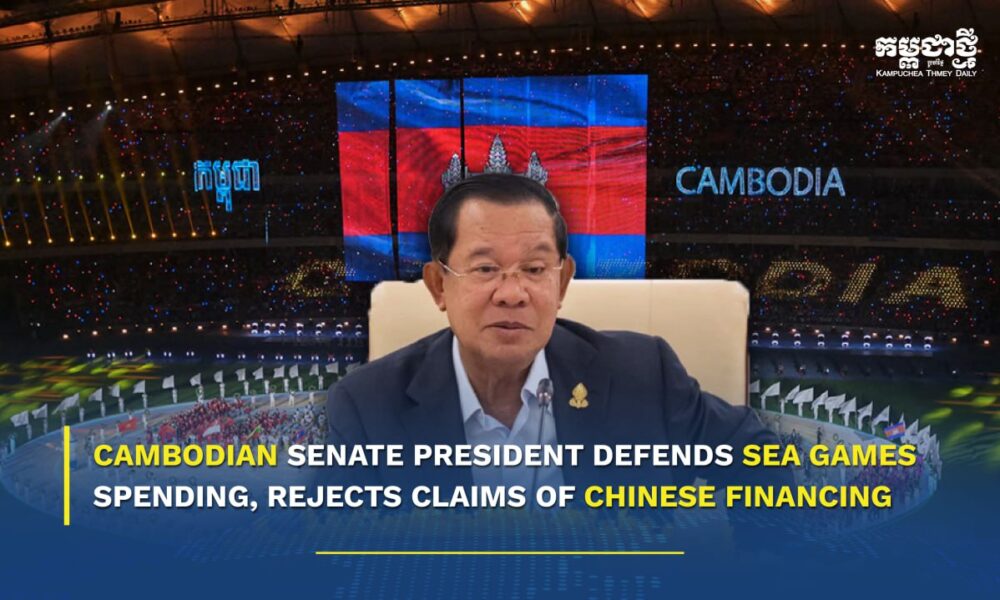
Cambodian Senate President Defends SEA Games Spending, Rejects Claims of Chinese Financing
PHNOM PENH, Cambodia (Dec. 6, 2025) — Senate President Samdech Techo Hun Sen issued a lengthy clarification Saturday, defending Cambodia’s hosting of the 32nd Southeast Asian Games in 2023 and rejecting claims from some Thai commentators that the event relied on Chinese funding.
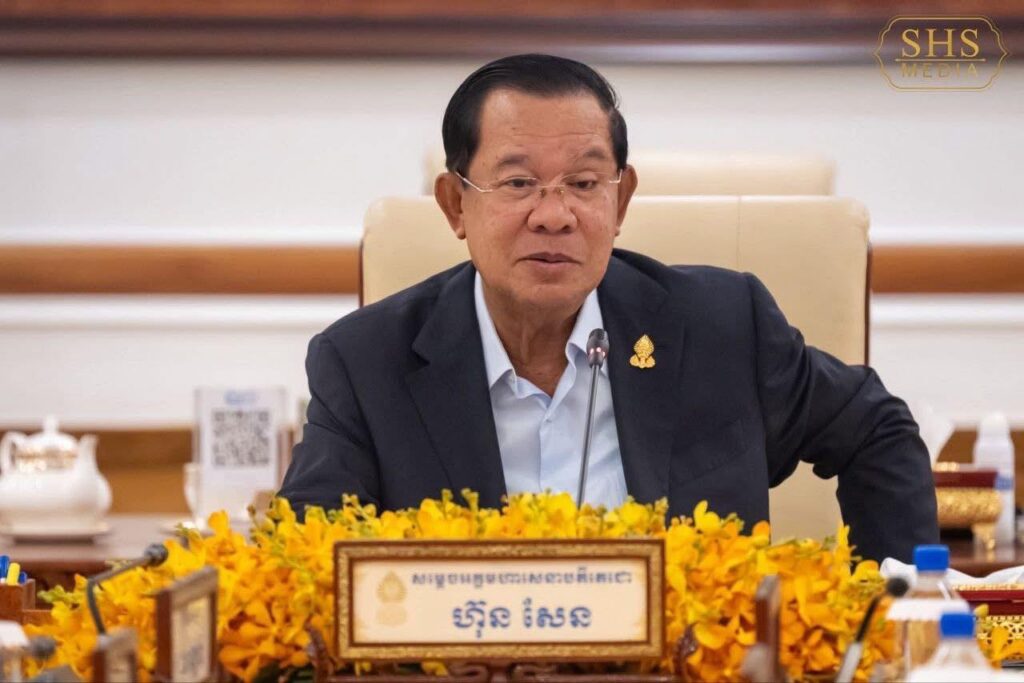
Samdech Techo Hun Sen said a video posted on his official Facebook page about the Games’ closing ceremony had been misinterpreted by some in Thailand as an attempt to slander the host of the 2025 SEA Games.
He stressed that Cambodia had no intention of comparing itself with other countries, but criticized remarks from Thai commentators who described Cambodia as poor and dependent on foreign assistance.
“Cambodia is a poor country, poor in resources, but not poor in heart,” Hun Sen said. “We did not use even a single cent of Chinese or foreign money for the SEA Games.”
Samdech Techo Hun Sen acknowledged China’s role in building the Morodok Techo Stadium, a venue for the opening and closing ceremonies, but emphasized that Cambodia financed the Games through careful budgeting.
He said the government allocated nearly $200 million across several years, ultimately spending $118 million to host athletes, cover accommodations and provide meals.
He credited Deputy Prime Minister Tea Banh, Finance Minister Aun Pornmoniroth, and Tourism Minister Thong Khon with managing the budget responsibly. Hun Sen described Pornmoniroth as “thrifty and reliable,” noting that Cambodia’s treasury had maintained reserves even during the COVID-19 pandemic.
Samdech Techo Hun Sen explained that Cambodia budgeted for the Games from 2018 to 2022, with nearly $50 million allocated during those years and another $150 million planned in the 2023 budget law.
He said the decision to spread costs across multiple years ensured that the 2023 national budget was not underfunded or forced to suspend investment projects. He also highlighted Cambodia’s initiative to cover costs for foreign athletes, saying the policy was intended to strengthen ASEAN solidarity through sports.
“Not allowing our friends to pay is Cambodia’s first initiative, which is my decision in order to strengthen solidarity in ASEAN through sports,” he said.
Samdech Techo Hun Sen recalled Cambodia’s sports legacy, citing venues built under King Norodom Sihanouk in the 1960s and government projects after 1979.
He noted that the Olympic Stadium in Phnom Penh hosted football and volleyball matches during the Games, and referenced a historic match in which Thailand lost to Indonesia, sparking tensions that Cambodia helped defuse as host.
He rejected claims that Cambodia used Chinese money, calling such remarks disrespectful to both Cambodia and China.
“I hope that the Thais who are talking about Cambodia will remove the words that say, ‘Don’t compare Thailand with Cambodia, as Cambodia is hosting the SEA Games with Chinese money,’ because using such statement not only disrespects Cambodia, but also insults or slaps the Chinese superpower,” Samdech Techo Hun Sen said.
Samdech Techo Hun Sen added that Cambodia’s management of the Games contrasted with Thailand’s approach, saying Cambodia never blamed each other or complained about funding shortages during six years of preparation.
He concluded by wishing Thailand success in hosting the 2025 SEA Games and in managing its flood disaster, while reserving the right to respond to protect Cambodian dignity.

-
 National2 months ago
Cambodia Expands Free ID Services While Introducing Clear Fee Structure for Administrative Documents
-
 National3 weeks ago
Cambodia proposes trilateral anti‑crime liaison mechanism with Laos, Vietnam
-
 National3 weeks ago
PM Hun Manet to visit China as trade surges and investment deepens
-

 National2 weeks ago
Cambodia says four soldiers injured in border blast, investigation launched
-

 National1 month ago
Samdech Techo Hun Sen Says Cambodia Can Meet Defence Needs Through Domestic Production
-

 National3 weeks ago
Cambodia opens new distribution hub to expand market access for local businesses
-
 Opinion2 months ago
From Connectivity to Resilience: How Japan’s Strategic Shift Could Transform Cambodia’s Next Development Phase
-
 Economy2 months ago
Cambodia Welcomes 1 Million Tourists in Q1, But Arrivals Fall Sharply Amid Regional Pressures