National
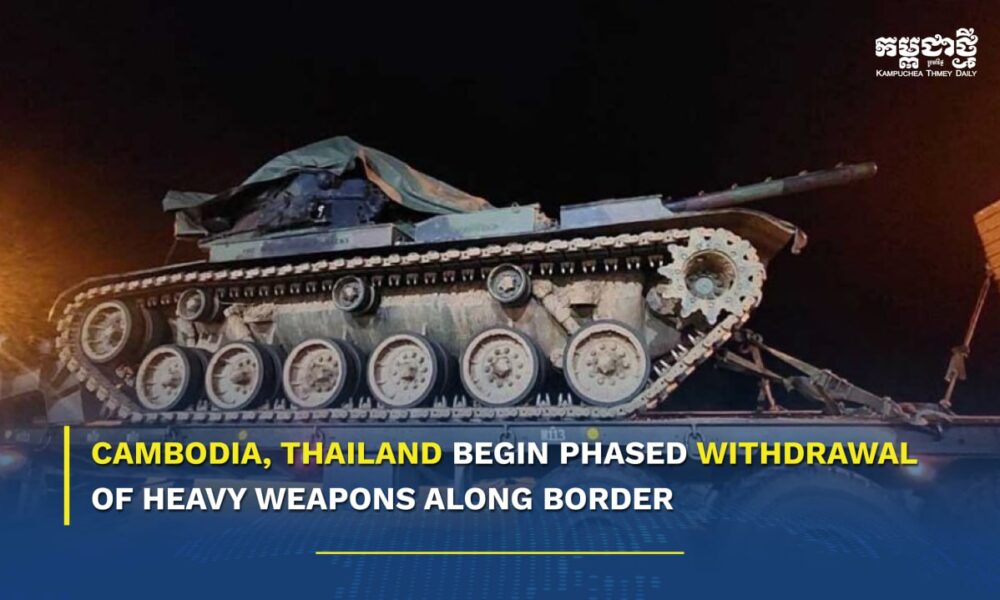
Cambodia, Thailand Begin Phased Withdrawal of Heavy Weapons Along Border
ODDAR MEANCHEY, Cambodia (Oct.31, 2015) — Cambodia and Thailand have agreed to begin a phased withdrawal of heavy weapons along their shared border, officials said Wednesday following a special meeting of the Thailand-Cambodia Regional Border Committee at the O’Smach checkpoint in northwestern Cambodia.
The meeting was co-chaired by Lt. Gen. Pov Heng, commander of Cambodia’s 4th Military Region, and Lt. Gen. Weerayuth Raksilp, commander of Thailand’s 2nd Army Area. The ASEAN Observer Team oversaw the talks.
The agreement follows the second Special General Border Committee meeting held Oct. 23 in Kuala Lumpur and a joint declaration signed Oct. 26 by the prime ministers of Cambodia, Thailand and Malaysia, along with U.S. President Donald Trump.
The declaration emphasized transparency, confidence-building and responsible military posture management.
Officials said the withdrawal will be conducted in three phases under ASEAN observation: Nov. 1–21, Nov. 22–Dec. 12, and Dec. 13–31. RBC Secretariat meetings, held virtually or in person, will coordinate and monitor each phase.
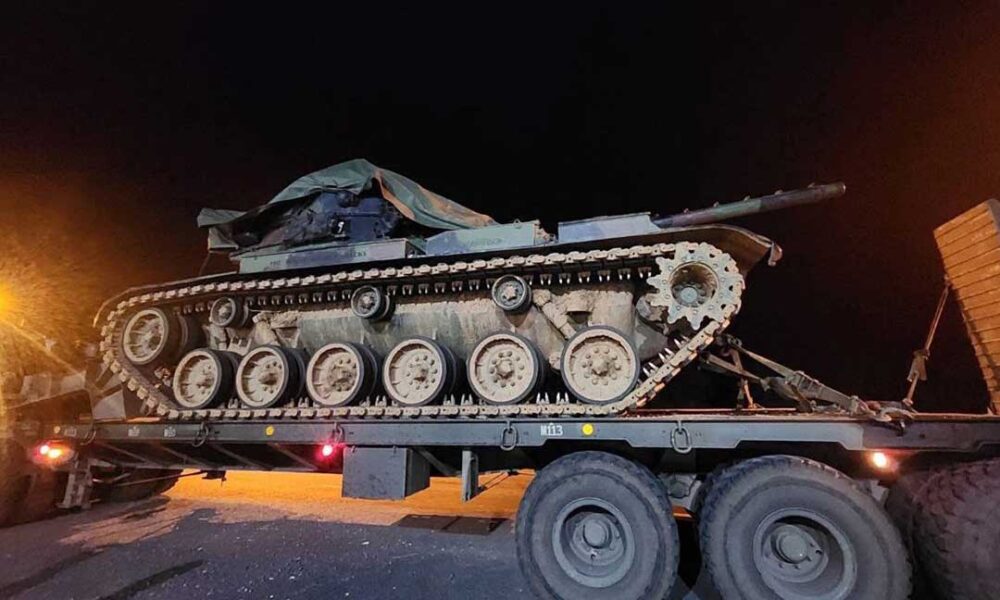
Weapons slated for removal are classified into three categories: Type A includes multiple launch rocket systems with two or more launch tubes; Type B covers artillery systems, including towed and self-propelled howitzers ranging from 105 mm to 155 mm; and Type C refers to armored platforms, including main battle tanks.
Both sides pledged to issue regular press releases to maintain transparency and public confidence. Officials warned that concealment or misrepresentation of weapons would be considered a breach of good faith.
The agreement aims to reduce tensions, build trust and promote long-term stability along the border. It reflects months of diplomatic engagement and a shared commitment to peaceful dispute resolution in line with ASEAN principles and international law.
Officials called the move a significant step toward normalizing bilateral relations and reinforcing military confidence under international observation.







-
 National1 month ago
Cambodia Expands Free ID Services While Introducing Clear Fee Structure for Administrative Documents
-
 National3 weeks ago
Cambodia proposes trilateral anti‑crime liaison mechanism with Laos, Vietnam
-
 National2 weeks ago
PM Hun Manet to visit China as trade surges and investment deepens
-
 National2 weeks ago
Cambodia says four soldiers injured in border blast, investigation launched
-
 National1 month ago
Samdech Techo Hun Sen Says Cambodia Can Meet Defence Needs Through Domestic Production
-

 National2 weeks ago
Cambodia opens new distribution hub to expand market access for local businesses
-
 Opinion2 months ago
From Connectivity to Resilience: How Japan’s Strategic Shift Could Transform Cambodia’s Next Development Phase
-
 Economy2 months ago
Cambodia Welcomes 1 Million Tourists in Q1, But Arrivals Fall Sharply Amid Regional Pressures