National
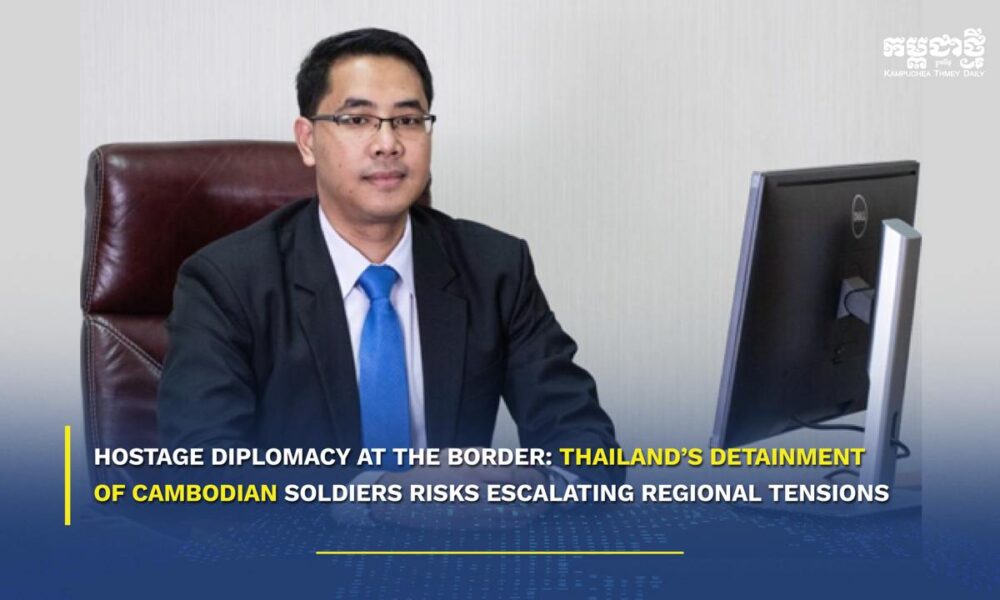
Hostage Diplomacy at the Border: Thailand’s Detainment of Cambodian Soldiers Risks Escalating Regional Tensions
Phnom Penh, Cambodia (Oct.04,2025)—Despite Thailand’s assurances of adherence to international humanitarian law, the continued detention of Cambodian soldiers captured during border clashes appears to serve a more strategic purpose than a legal one.
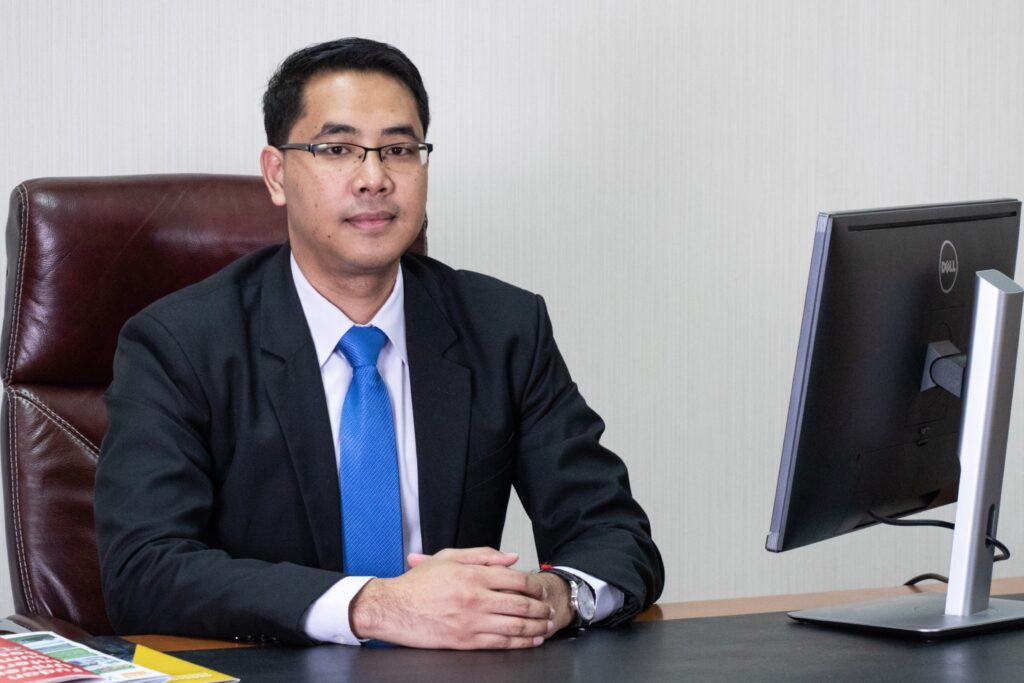
As Professor Deth Sok Udom of Paragon International University warns, the soldiers may be leveraged as bargaining chips in bilateral negotiations—a tactic that flirts dangerously with the definition of hostage-taking under Article 8(2)(c)(iii) of the Rome Statute.
This maneuver not only undermines the principles of humanitarian law but also risks inflaming public sentiment in Cambodia, deepening mistrust and resentment toward Thailand. The psychological toll on the detained soldiers and their families is profound, while the broader fallout includes deteriorating trade relations and fraying people-to-people ties.
Udom argues that such tactics offer no real leverage and only serve short-term political interests. The path forward lies not in coercion but in diplomacy: releasing the soldiers as a gesture of goodwill, resuming bilateral dialogue, and committing to international arbitration mechanisms. Without this shift, civilians along the border will remain pawns in a recurring cycle of conflict driven by political expediency.
During the address to the 80th Session of the United Nations General Assembly, H.E. Prak Sokhonn, Cambodia’s Deputy Prime Minister and Minister of Foreign Affairs, made a pointed appeal for the immediate release of Cambodian soldiers held by Thailand.
Speaking under the theme “Better Together: 80 Years and More Peace, Development and Human Rights,” Sokhonn emphasized that the continued detention violates the spirit of international humanitarian law and undermines regional stability.
His speech framed the issue not merely as a bilateral dispute but as a test of international norms and human rights commitments.
Sokhonn called on the global community to recognize the psychological and diplomatic harm caused by Thailand’s actions, urging member states to support Cambodia’s call for resolution through peaceful mechanisms.
This public appeal at the UNGA elevated the issue from a regional standoff to a matter of international concern, placing pressure on Thailand to justify its actions under global scrutiny.

-
 National2 months ago
Cambodia Expands Free ID Services While Introducing Clear Fee Structure for Administrative Documents
-
 National3 weeks ago
Cambodia proposes trilateral anti‑crime liaison mechanism with Laos, Vietnam
-
 National3 weeks ago
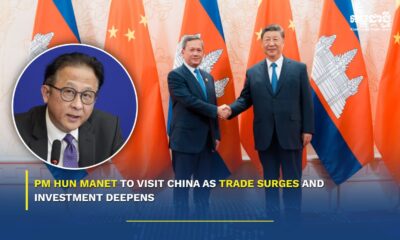
PM Hun Manet to visit China as trade surges and investment deepens
-
 National2 weeks ago
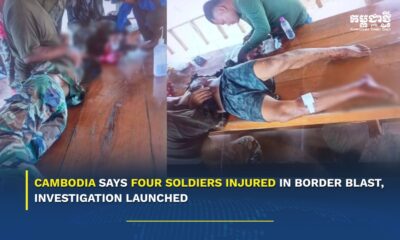
Cambodia says four soldiers injured in border blast, investigation launched
-
 National1 month ago
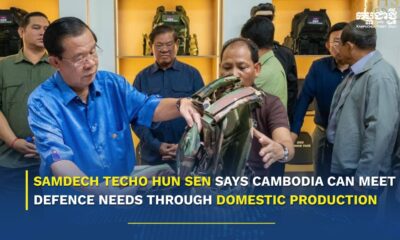
Samdech Techo Hun Sen Says Cambodia Can Meet Defence Needs Through Domestic Production
-
 National3 weeks ago
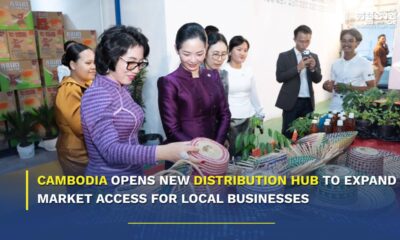
Cambodia opens new distribution hub to expand market access for local businesses
-
 Opinion2 months ago
From Connectivity to Resilience: How Japan’s Strategic Shift Could Transform Cambodia’s Next Development Phase
-
 Economy2 months ago
Cambodia Welcomes 1 Million Tourists in Q1, But Arrivals Fall Sharply Amid Regional Pressures