National
Cambodian experts warn of potential war crime as soldiers remain in Thai custody
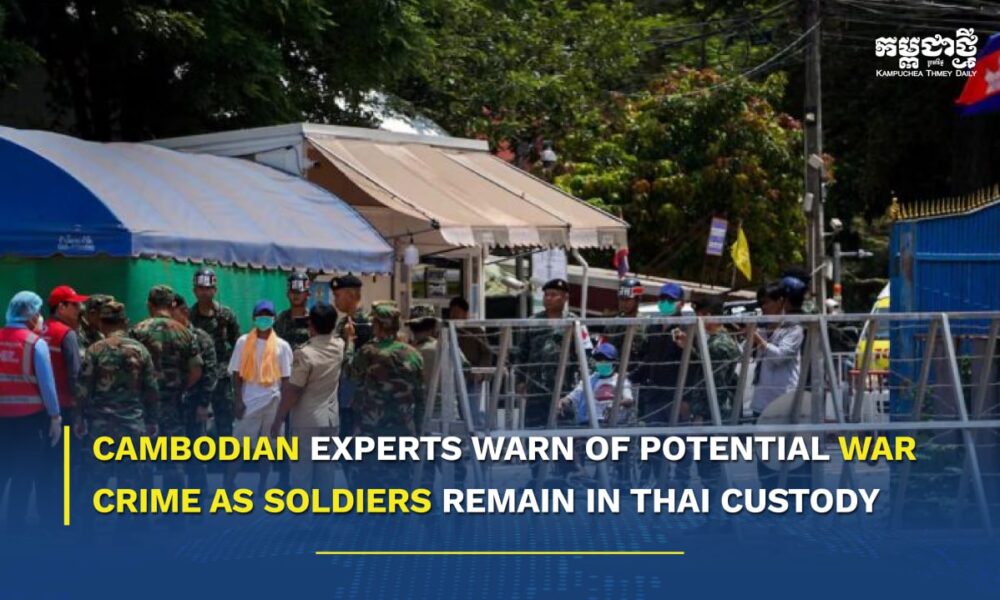
PHNOM PENH, Cambodia (Oct. 3, 2025) — More than two months after Cambodia and Thailand signed a ceasefire agreement, 18 Cambodian soldiers remain in Thai military custody, prompting renewed appeals from Cambodian officials, legal scholars, and human rights advocates for their immediate release.
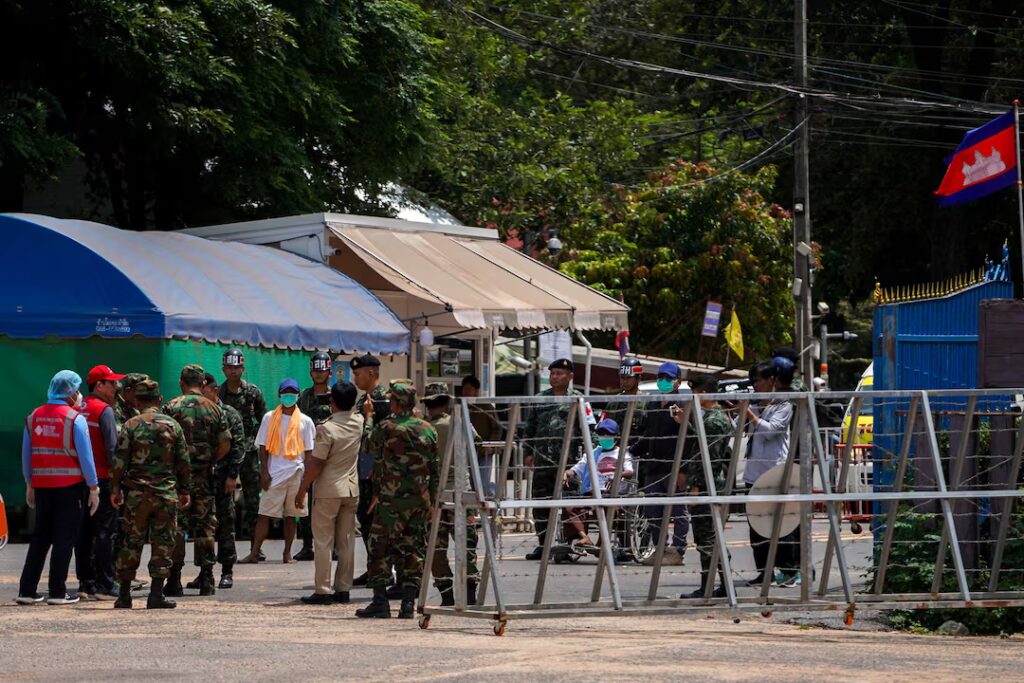
The soldiers were reportedly captured during a border clash 66 days ago, and their continued detention has sparked concern over potential violations of international law. The Royal Government of Cambodia has called on Thailand to release the personnel without delay, citing humanitarian obligations and the soldiers’ right to reunite with their families.
Thai authorities maintain that the detainees are being treated in accordance with international standards and will be released once legal procedures conclude and the border situation stabilizes. However, Cambodian experts remain skeptical, warning that the prolonged detention could carry serious legal and diplomatic consequences.
Legal concerns and strategic implications.
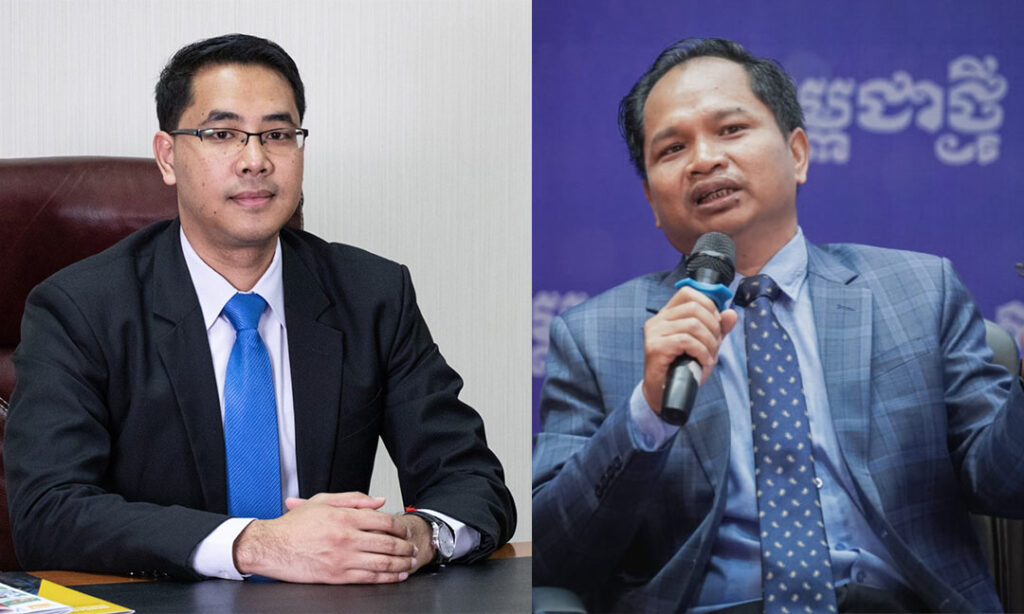
Deth Sok Udom, professor of international relations at Paragon International University, said the soldiers may be used for intelligence gathering and as leverage in bilateral negotiations. He cited Article 8(2)(c)(iii) of the Rome Statute of the International Criminal Court, which defines hostage-taking as a war crime if used to compel a state to act.
“This is a legal matter that should be assessed by international legal experts,” Udom said. “Regardless of intent, prolonged detention will only deepen resentment among the Cambodian public and further damage bilateral relations.”
Yong Pov, Secretary-General of the Royal Academy of Cambodia, accused Thailand of using the soldiers’ detention to pressure Cambodia into accepting its unilateral 1:50,000 scale border map and avoiding international arbitration.
He warned that such tactics undermine Cambodia’s sovereignty and violate Article 118 of the 1949 Geneva Conventions, which requires the release and repatriation of prisoners of war once hostilities cease.
“Cambodia must not give in to these demands,” Pov said. “Doing so would amount to accepting Thai aggression against Cambodian sovereignty.”
Human rights appeal to the United Nations
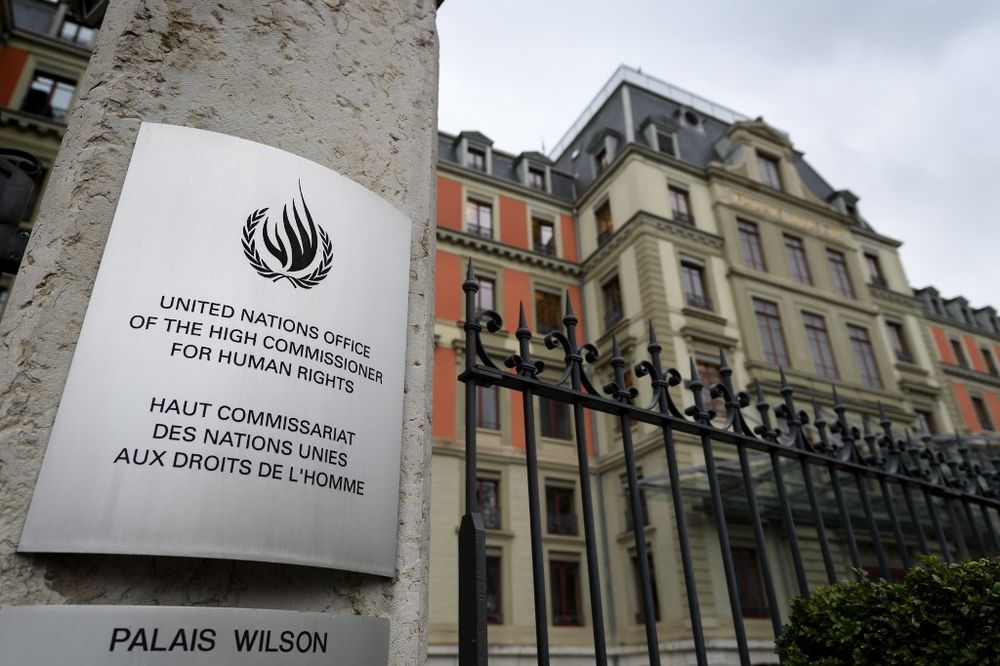
The Cambodian Human Rights Committee (CHRC) has formally appealed to the United Nations, submitting a letter to High Commissioner Volker Türk and the OHCHR office in Geneva. The letter expresses “grave concern” over what it describes as unlawful detention and mistreatment.
According to CHRC, 20 Cambodian soldiers were initially detained, but only two have been released as of Oct. 2. The Committee argues that the continued detention violates both international humanitarian law and core UN treaties prohibiting arbitrary detention. It has called for immediate intervention to ensure the soldiers’ safe release and prevent further escalation.
Diplomatic path forward
Cambodian officials and analysts continue to stress that peaceful resolution is the only viable path forward. They urge regional mediation, adherence to international legal mechanisms, and constructive diplomacy to prevent further deterioration of bilateral ties.
“Prolonged detention will not provide Thailand with any strategic advantage,” Udom concluded. “Instead, it undermines public trust, harms regional cooperation, and prolongs the suffering of civilians living along the border.”
Cambodia has reiterated its commitment to resolving the issue through peaceful means, but warns that if negotiations continue to stall, it reserves the right to pursue legal and diplomatic action on the international stage.







-
 National2 months ago
Cambodia Expands Free ID Services While Introducing Clear Fee Structure for Administrative Documents
-
 National3 weeks ago
Cambodia proposes trilateral anti‑crime liaison mechanism with Laos, Vietnam
-
 National2 weeks ago
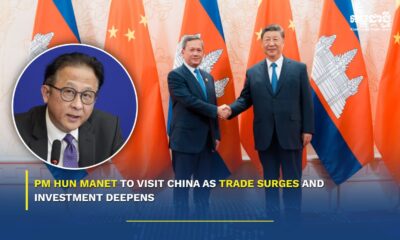
PM Hun Manet to visit China as trade surges and investment deepens
-
 National2 weeks ago
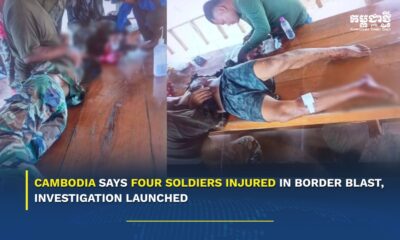
Cambodia says four soldiers injured in border blast, investigation launched
-
 National1 month ago
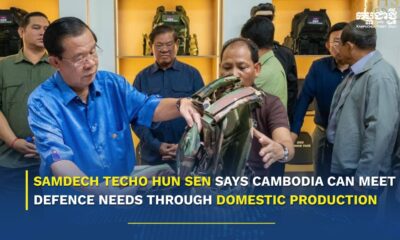
Samdech Techo Hun Sen Says Cambodia Can Meet Defence Needs Through Domestic Production
-

 National2 weeks ago
Cambodia opens new distribution hub to expand market access for local businesses
-
 Opinion2 months ago
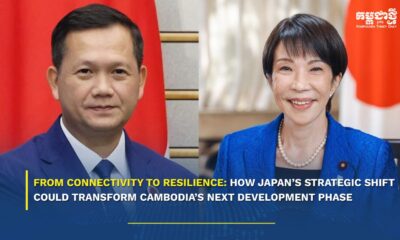
From Connectivity to Resilience: How Japan’s Strategic Shift Could Transform Cambodia’s Next Development Phase
-
 Economy2 months ago
Cambodia Welcomes 1 Million Tourists in Q1, But Arrivals Fall Sharply Amid Regional Pressures