National
Analysis: U.S. Tariffs, Cambodia’s Wage Hike Pose Mixed Outlook for Garment Sector in 2026
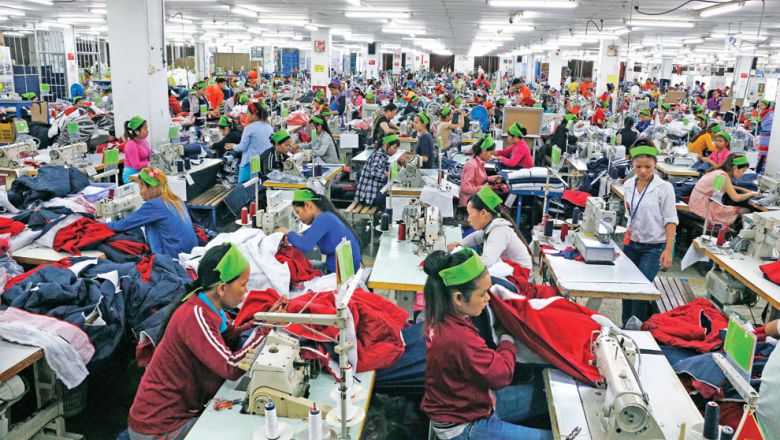
PHNOM PENH, Cambodia (Sept.26, 2025) — Cambodia’s garment industry faces a shifting landscape in 2026, as the government approved a $2 increase in the monthly minimum wage for workers in textile, footwear, travel goods and bag manufacturing, raising it to $210.

The decision follows months of negotiations amid mounting economic pressure, including retaliatory tariffs from the United States, intensifying regional competition, and scrutiny over wage levels compared to neighboring countries. Broader labor market conditions for 2025–2026 also played a role.
Industry Response: Wage Stability vs. Global Pressure
Kaing Monika, deputy secretary-general of the Textile, Apparel, Footwear and Travel Goods Association in Cambodia, said the modest increase helps preserve Cambodia’s competitiveness.
“A minimal increase helps keep our costs competitive, particularly against regional competitors that haven’t raised their minimum wage,” Monika said. “It gives breathing space for small and financially weaker companies to survive, while larger firms with a solid customer base can choose to pay more.”
Monika noted that the minimum wage is only part of workers’ total earnings, which often include bonuses, allowances, incentives, seniority payments and overtime.
On trade, he said U.S. reciprocal tariffs are squeezing profit margins.
“Buyers are increasingly asking suppliers and manufacturers to share the burden of rising costs,” he said.
Ky Sereyvath, an economics researcher at the Royal Academy of Cambodia, said the industry remains attractive despite the wage hike and tariffs.
“To achieve high profits, the industry needs a large market, easy export processes, low production costs and a skilled workforce,” Sereyvath said. “Cambodia still has strong potential to maintain good export performance and stable profits.”
Labor Unions Urge Unified Response
Athit Kong, president of the Coalition of Cambodian Apparel Workers’ Democratic Union, said the new tariffs require collective action.
“No single party can handle this issue alone, as it directly affects the national economy and Cambodia’s export sector,” Athit said.
He warned that rising production costs could stagnate or reduce wage growth, putting workers at risk.
“Authorities must consider raising the minimum wage to address inflation, healthcare costs and improve workers’ quality of life,” he said.
Pav Sina, president of the Collective Union of Movement of Workers, said Cambodia remains competitive despite challenges.
“Cambodia still holds competitive advantages,” Sina said. “Tariff challenges are not unique to Cambodia, and investors are unlikely to shift away.”
He said the establishment of domestic textile and raw material factories would strengthen the sector.
Sina cited factors supporting Cambodia’s investment climate, including low labor costs, a skilled workforce, high production standards, strong government support, and frameworks backed by the International Labour Organization.
Negotiations and Outlook
The new wage was finalized during the National Council on Minimum Wage’s final meeting of its fourth mandate, held at the Ministry of Labour and Vocational Training.
Over 23 rounds of talks, labor unions and employer associations reviewed economic indicators, including the impact of U.S. trade sanctions, regional wage competitiveness, Cambodia’s position relative to neighboring countries, and domestic employment trends.












-

 National1 month ago
Cambodia Expands Free ID Services While Introducing Clear Fee Structure for Administrative Documents
-

 National3 weeks ago
Cambodia proposes trilateral anti‑crime liaison mechanism with Laos, Vietnam
-

 National2 weeks ago
PM Hun Manet to visit China as trade surges and investment deepens
-

 National2 weeks ago
Cambodia says four soldiers injured in border blast, investigation launched
-

 National1 month ago
Samdech Techo Hun Sen Says Cambodia Can Meet Defence Needs Through Domestic Production
-

 National2 weeks ago
Cambodia opens new distribution hub to expand market access for local businesses
-

 Opinion2 months ago
From Connectivity to Resilience: How Japan’s Strategic Shift Could Transform Cambodia’s Next Development Phase
-

 Economy2 months ago
Cambodia Welcomes 1 Million Tourists in Q1, But Arrivals Fall Sharply Amid Regional Pressures