
Economy
Singapore’s TechCoop Launches Cashew Trial Imports From Cambodia
PHNOM PENH, March 4, 2026 (KPT) — Singapore‑based multinational TechCoop has begun a pilot project to import one container of processed cashew nuts per month from Cambodia.
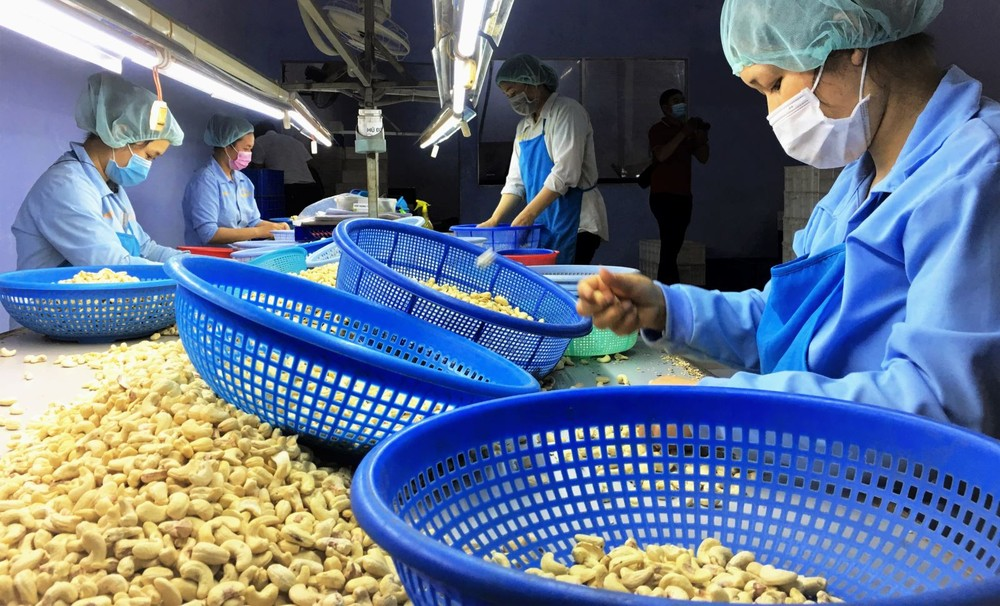
The Cambodian Cashew Association on March 04, met TechCoop representatives in Phnom Penh to discuss potential cooperation, including joint ventures with local processors. TechCoop said partnerships would ensure premium‑quality cashews through strong management and international investment standards.
Association president Oun Silot said Cambodian cashews are globally recognised as high‑grade products and highlighted opportunities in organic production. He encouraged TechCoop to connect with Mirarth Agri Tech, which holds Ecocert certification for organic cashews.
Harvesting for the 2026 season has been delayed until April due to weather conditions, but output is expected to reach 800,000 to 1 million tonnes, boosted by expanded cultivation and favourable climate.
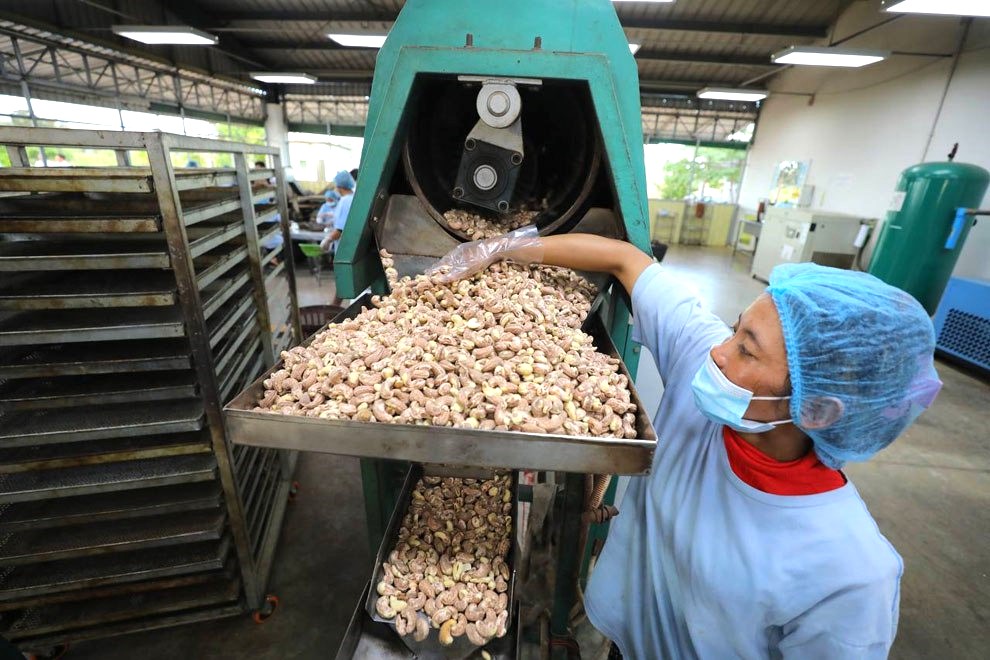
Cambodia earned US$1.5 billion from exports of one million tonnes of raw cashews in 2025, up 27 percent from the previous year. The country now has about 740,000 hectares under cashew cultivation, according to the association.












-

 National2 months ago
Cambodia Expands Free ID Services While Introducing Clear Fee Structure for Administrative Documents
-

 National3 weeks ago
Cambodia proposes trilateral anti‑crime liaison mechanism with Laos, Vietnam
-

 National2 weeks ago
PM Hun Manet to visit China as trade surges and investment deepens
-

 National2 weeks ago
Cambodia says four soldiers injured in border blast, investigation launched
-

 National1 month ago
Samdech Techo Hun Sen Says Cambodia Can Meet Defence Needs Through Domestic Production
-

 National2 weeks ago
Cambodia opens new distribution hub to expand market access for local businesses
-

 Opinion2 months ago
From Connectivity to Resilience: How Japan’s Strategic Shift Could Transform Cambodia’s Next Development Phase
-

 Economy2 months ago
Cambodia Welcomes 1 Million Tourists in Q1, But Arrivals Fall Sharply Amid Regional Pressures