National
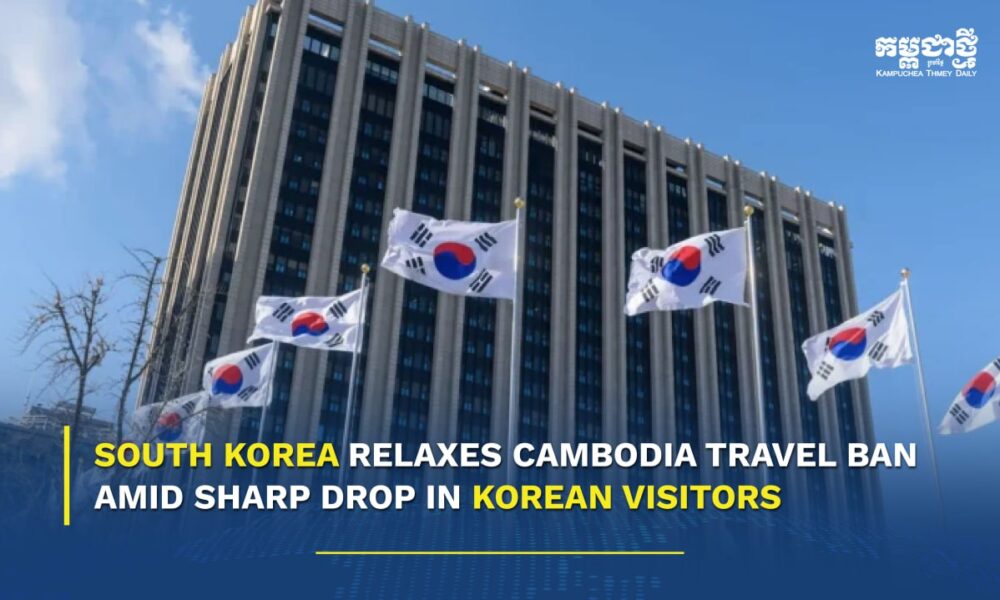
South Korea Relaxes Cambodia Travel Ban Amid Sharp Drop in Korean Visitors
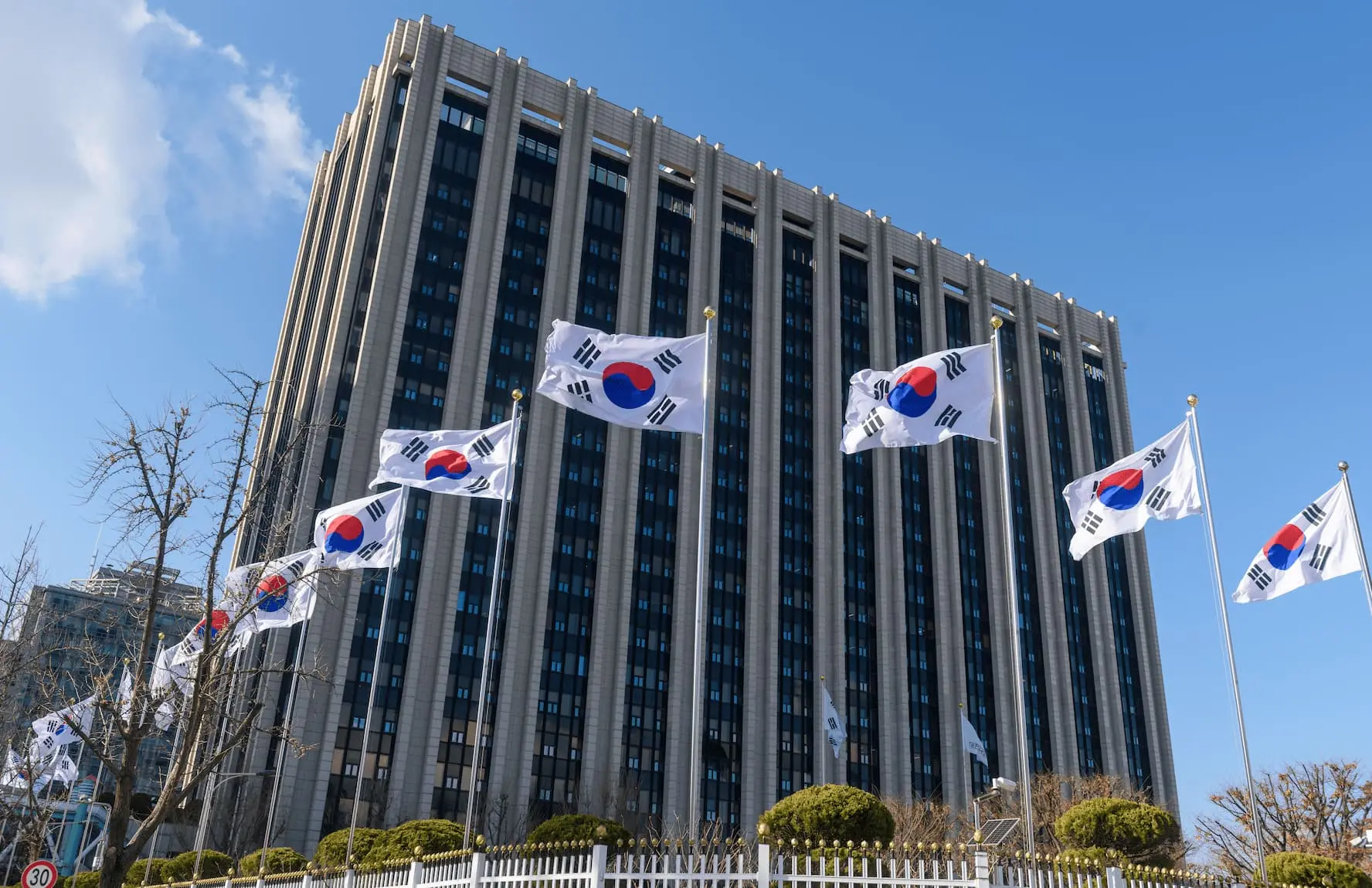
PHNOM PENH, Cambodia (Dec. 4, 2025) — South Korea has eased its strict travel restrictions to Cambodia following weeks of pressure from Korean residents and businesses, according to the Royal Cambodian Embassy in Seoul.
In October, Seoul imposed a rare “code-black” advisory — its highest travel warning — banning entry to areas such as Poipet and Kampot and urging citizens to leave Sihanoukville.
The move followed the death of a South Korean student allegedly tortured by a criminal gang after being lured into a scam compound.
Vice Foreign Minister Kim Jina has since led a team to Cambodia to address the issue, backed by National Security Adviser Wi Sung-lac.
The Korean Association in Cambodia argued the restrictions were crippling livelihoods and causing “economic damage” to the expatriate community. In October, it submitted a petition to Seoul’s Foreign Ministry with 844 signatures, warning that tourism, trade, education, and employment had contracted sharply, with hundreds of trips canceled.
“Livelihoods and businesses of Korean residents, as well as the operations of educational institutions, are being seriously affected,” association head Chung Myung-gyu told The Korea Herald.
Cambodia’s tourism sector has also felt the impact. South Korean tourist arrivals fell 12.1% in the first ten months of 2025 to 138,524 visitors, according to the Ministry of Tourism, underscoring the chilling effect of the advisory and crime-related fears.
Cambodian officials have acted to repatriate nationals caught in scams. On Oct. 17, the Ministry of Interior’s immigration department returned 64 South Koreans, including five women, for further legal proceedings in their home country.
The easing of restrictions marks a partial reversal of Seoul’s unprecedented ban, which had underscored growing concerns over transnational crime networks operating in Cambodia.
Analysts say the adjustment could help stabilize tourism flows, restore confidence among Korean residents, and ease economic pressures on Cambodian communities reliant on Korean visitors.











-
 National2 months ago
Cambodia Expands Free ID Services While Introducing Clear Fee Structure for Administrative Documents
-
 National3 weeks ago
Cambodia proposes trilateral anti‑crime liaison mechanism with Laos, Vietnam
-

 National2 weeks ago
PM Hun Manet to visit China as trade surges and investment deepens
-

 National2 weeks ago
Cambodia says four soldiers injured in border blast, investigation launched
-

 National1 month ago
Samdech Techo Hun Sen Says Cambodia Can Meet Defence Needs Through Domestic Production
-

 National2 weeks ago
Cambodia opens new distribution hub to expand market access for local businesses
-
 Opinion2 months ago
From Connectivity to Resilience: How Japan’s Strategic Shift Could Transform Cambodia’s Next Development Phase
-
 Economy2 months ago
Cambodia Welcomes 1 Million Tourists in Q1, But Arrivals Fall Sharply Amid Regional Pressures