National
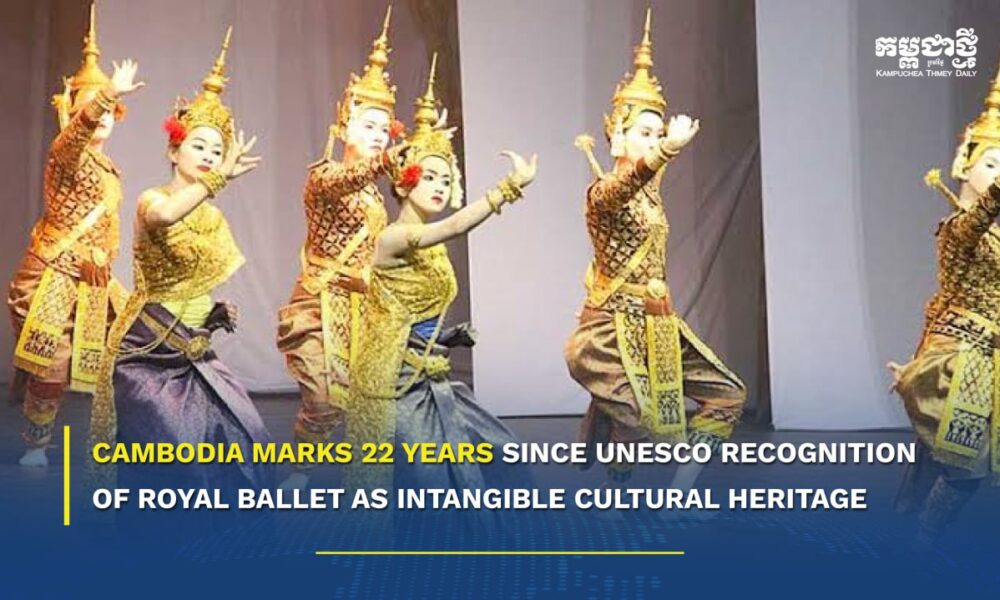
Cambodia Marks 22 Years Since UNESCO Recognition of Royal Ballet as Intangible Cultural Heritage
PHNOM PENH, Cambodia (Nov.07, 2025) — Cambodian Prime Minister Hun Manet on Friday commemorated the 22nd anniversary of the Royal Ballet of Cambodia’s inscription on UNESCO’s list of Intangible Cultural Heritage of Humanity, calling on all Cambodians to protect and preserve the nation’s cultural legacy.
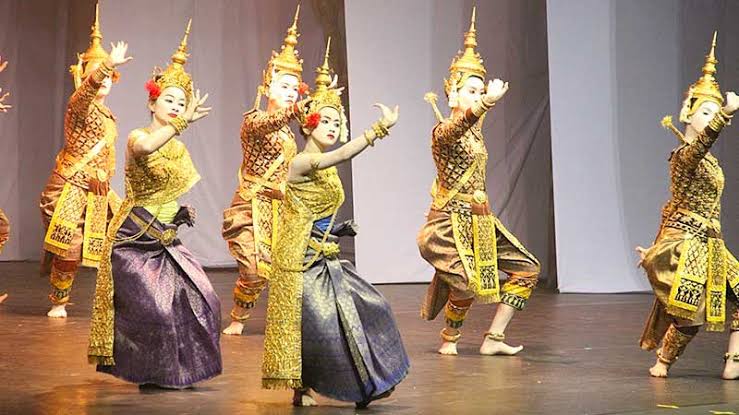
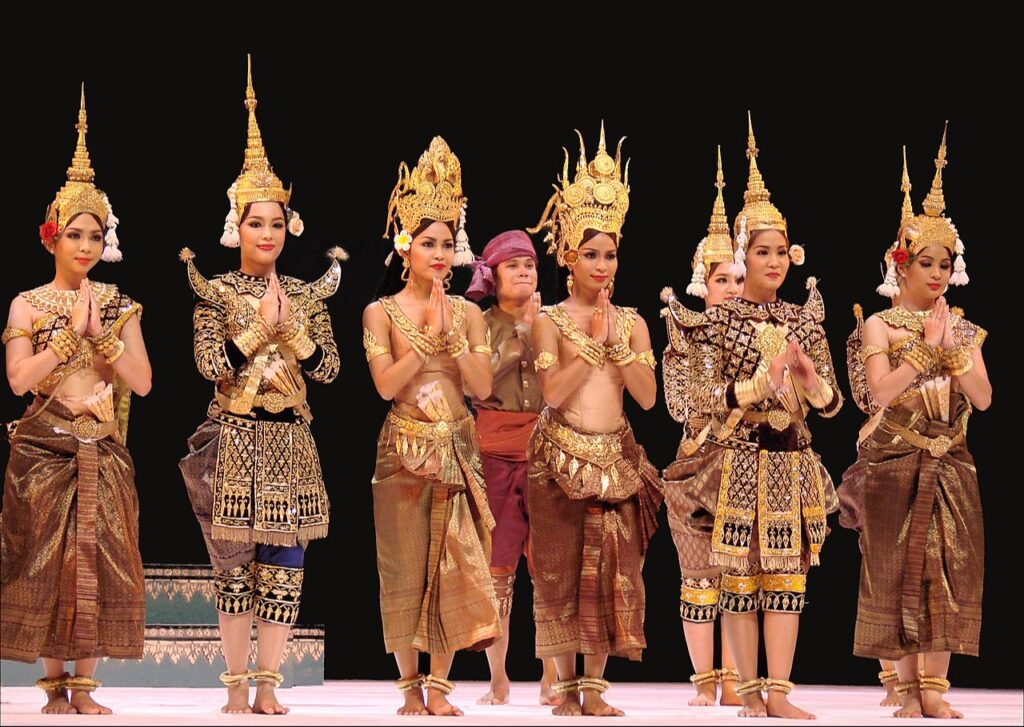
The Royal Ballet, also known as Khmer Classical Dance, was officially recognized by UNESCO on Nov. 7, 2003, during a session held in Istanbul, Turkey UNESCO – Intangible Heritage Home. The dance form, deeply rooted in Cambodia’s royal traditions, is celebrated for its refined gestures, ornate costumes, and spiritual elegance.
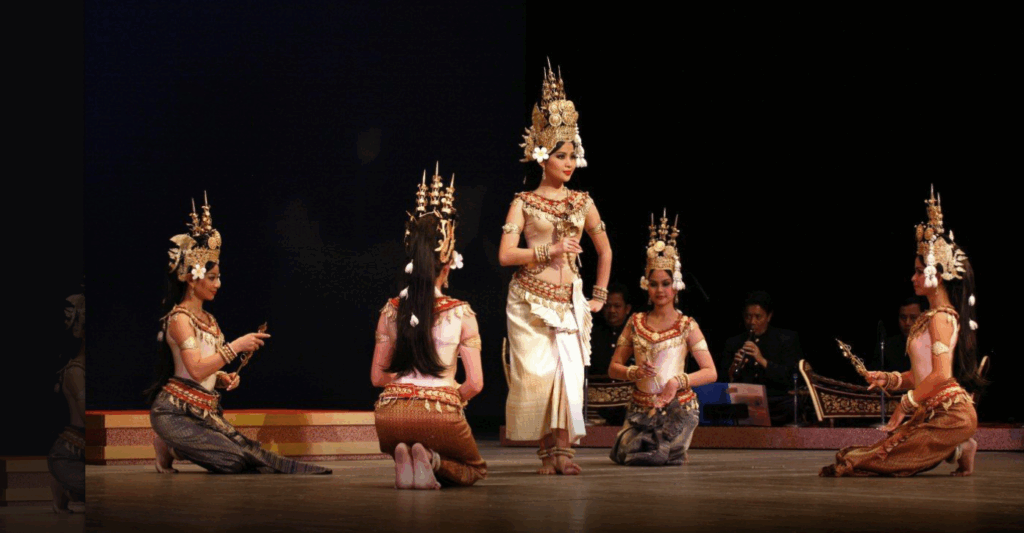
In his message, Samdech Thipadei Hun Manet emphasized that safeguarding cultural heritage is a shared responsibility of every Cambodian. He praised the Royal Ballet as a symbol of national pride and identity, noting its origins in the royal court and its refinement under Queen Sisowath Kossamak, who adapted ancient Khmer choreography during the reign of King Norodom.
Often referred to as the “dance of the gods,” the Royal Ballet is distinguished by its slow, graceful movements and elaborate adornments, including gold and silver accessories. It is performed during royal ceremonies and national celebrations, embodying Cambodia’s artistic excellence and spiritual depth.
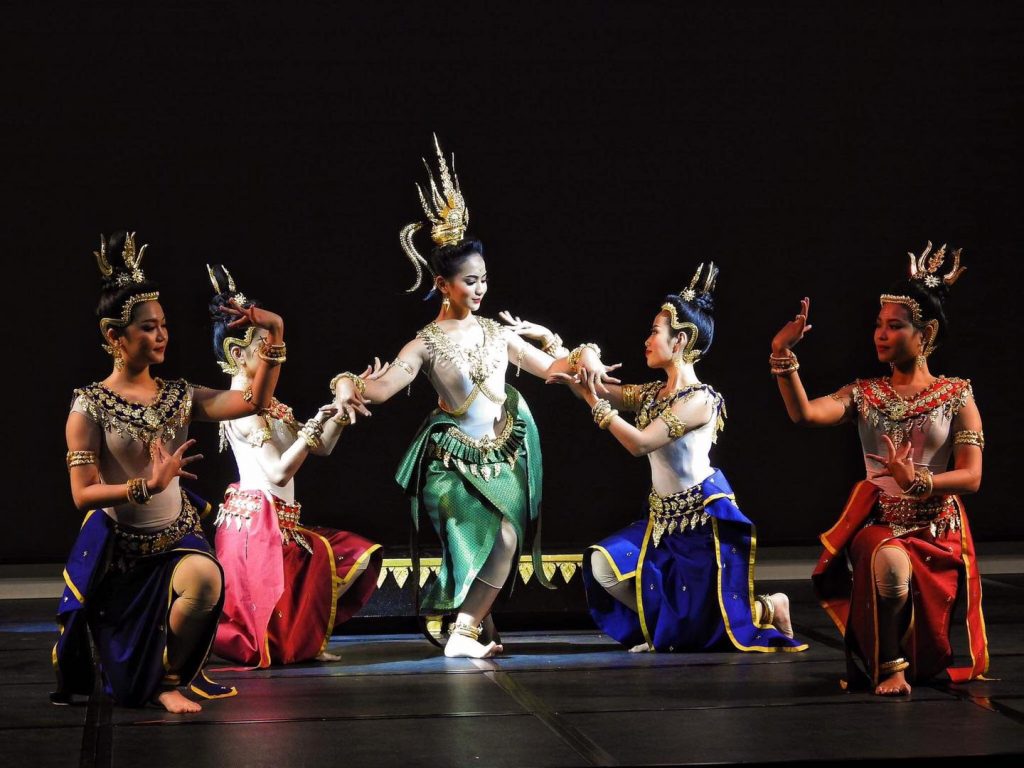
The Cambodian government has long regarded the Royal Ballet as an irreplaceable cultural treasure, preserved through generations despite historical challenges. Its continued recognition reflects Cambodia’s commitment to cultural preservation and global appreciation of its artistic heritage.









-
 National1 month ago
Poll Finds Strong Cambodian Support for Closer China Ties
-

 Economy2 months ago
Cambodia Moves to Boost Green Economy with $30 Million Climate Financing Deal
-
 Opinion2 months ago
Opinion: The “Scambodia” Fallacy: Editorial Malpractice and the Erosion of Journalistic Ethics
-

 National2 months ago
Cambodia Condemns ‘Scambodia’ Label in Wall Street Journal Report
-
 Opinion1 month ago
Vienna Convention on the Law of Treaties (VCLT)’s ruling over the MoU 2001 Cancellation by Thailand against Cambodian Maritime Territories
-

 Economy1 month ago
Cambodia Bans Prize Promotions on Beer and Energy Drinks to Level Playing Field
-

 Economy2 months ago
Cambodia Caps Fuel Price Rise as Global Oil Surge Hits Domestic Market
-
 Politics2 months ago
Cambodian Embassy in France Rejects ‘Politicization’ Claims, Affirms Neutral Role