National
Analysts See UNCLOS Team Boosting Cambodia’s Maritime Defence
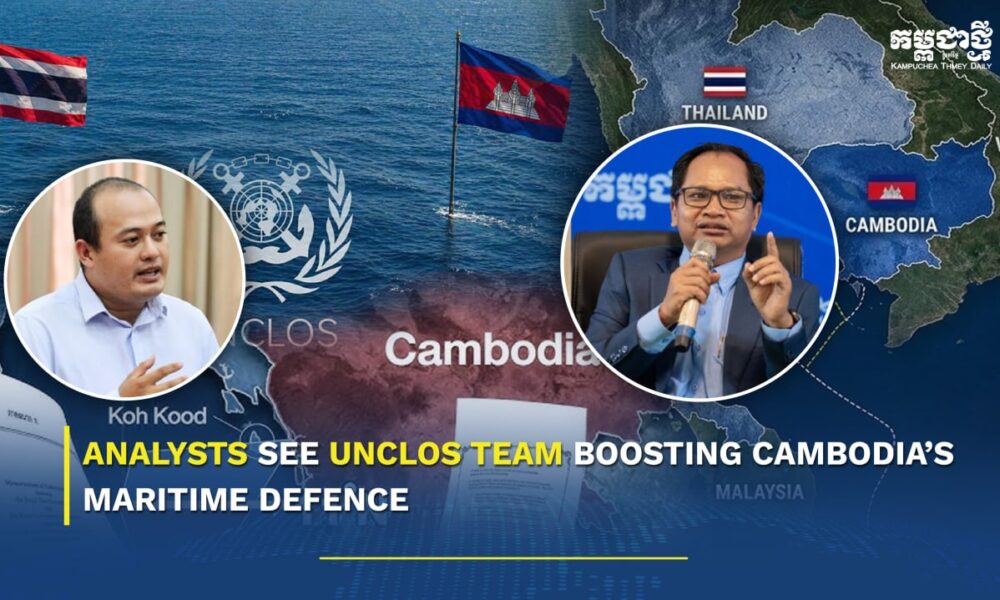
PHNOM PENH, June 5, 2026 (KPT) — Cambodian analysts say the government’s appointment of two international legal experts to lead compulsory conciliation under the UN Convention on the Law of the Sea (UNCLOS) marks a strategic step in defending sovereignty against overlapping maritime claims with Thailand.
The Foreign Ministry confirmed Cambodia has nominated Peter Taksoe‑Jensen of Denmark, a veteran diplomat and former UN legal adviser who chaired the Timor‑Leste–Australia conciliation, and Jean‑Marc Thouvenin of France, professor at Paris Nanterre University and Secretary‑General of The Hague Academy of International Law.
The move follows Thailand’s withdrawal from a 2001 memorandum of understanding on maritime boundary talks, prompting Phnom Penh to seek international arbitration.
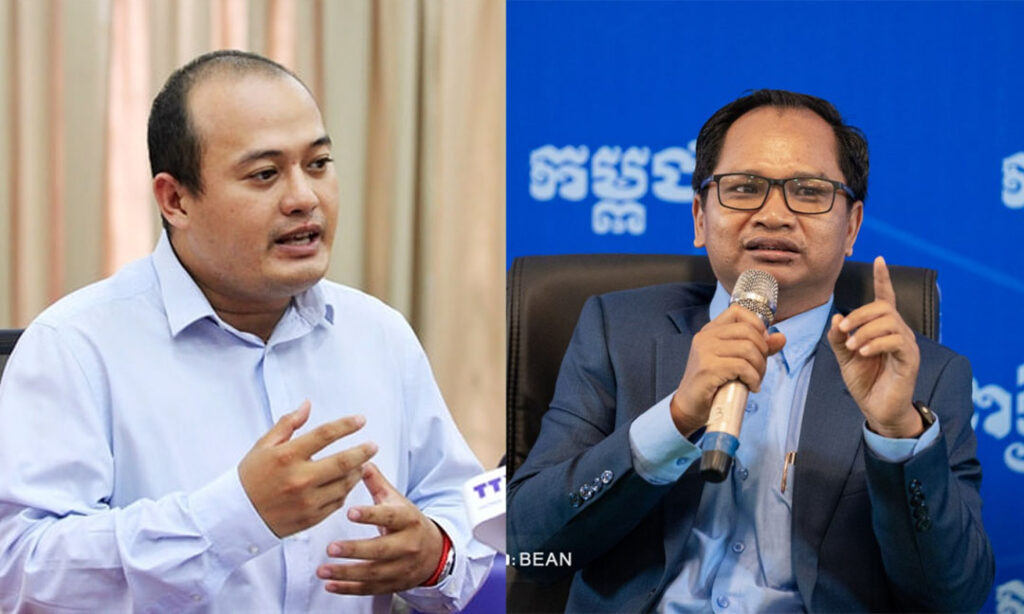
Lecturer Thong Mengdavid of the Royal University of Phnom Penh said Cambodia had grounds for cautious optimism.
“By appointing international law experts under the UNCLOS framework, Cambodia is shifting the dispute away from geopolitical pressure and firmly into the framework of international law,” he told KPT English.
He cited Timor‑Leste’s successful use of UNCLOS against Australia in 2018 as precedent, though he warned conciliation outcomes depend on political will since recommendations are not binding.
Political analyst Yang Peou welcomed the appointments, noting both experts’ strong backgrounds in maritime law.
“Their appointment is very important, and I am optimistic about the process,” he said, adding that Cambodia’s strategy reflects Thailand’s reluctance to embrace international mechanisms.
“Taking the issue to an international forum is not Thailand’s preferred approach. We can clearly see efforts to avoid this mechanism.”
Prime Minister Hun Manet stressed the process is a peaceful facilitation mechanism, not an escalation.
“We have taken this step to protect Cambodia’s sovereignty and maritime rights in accordance with international law,” he told reporters. “This is not an escalation. It is a facilitation process overseen by international conciliators.”

Geopolitics expert GNEL Rattha described the move as a “strategic diplomatic adjustment” that curbs unilateral manoeuvring and compels both sides to engage with legal and technical assessments.
He said the compulsory nature of the mechanism ensures proceedings continue even if one party resists, adding that recommendations carry international weight and could shape future negotiations.
Government spokesman Pen Bona defended the decision, saying bilateral avenues were exhausted after Thailand rejected Cambodia’s appeal to reconsider its MoU withdrawal.
Analysts argue resolution could unlock energy resources in the Gulf of Thailand, bolstering Cambodia’s long‑term development and energy security.


-
 National2 months ago
Cambodia Expands Free ID Services While Introducing Clear Fee Structure for Administrative Documents
-
 National3 weeks ago
Cambodia proposes trilateral anti‑crime liaison mechanism with Laos, Vietnam
-
 National3 weeks ago
PM Hun Manet to visit China as trade surges and investment deepens
-

 National2 weeks ago
Cambodia says four soldiers injured in border blast, investigation launched
-
 National1 month ago
Samdech Techo Hun Sen Says Cambodia Can Meet Defence Needs Through Domestic Production
-

 National2 weeks ago
Cambodia opens new distribution hub to expand market access for local businesses
-
 Opinion2 months ago
From Connectivity to Resilience: How Japan’s Strategic Shift Could Transform Cambodia’s Next Development Phase
-
 Economy2 months ago
Cambodia Welcomes 1 Million Tourists in Q1, But Arrivals Fall Sharply Amid Regional Pressures