National
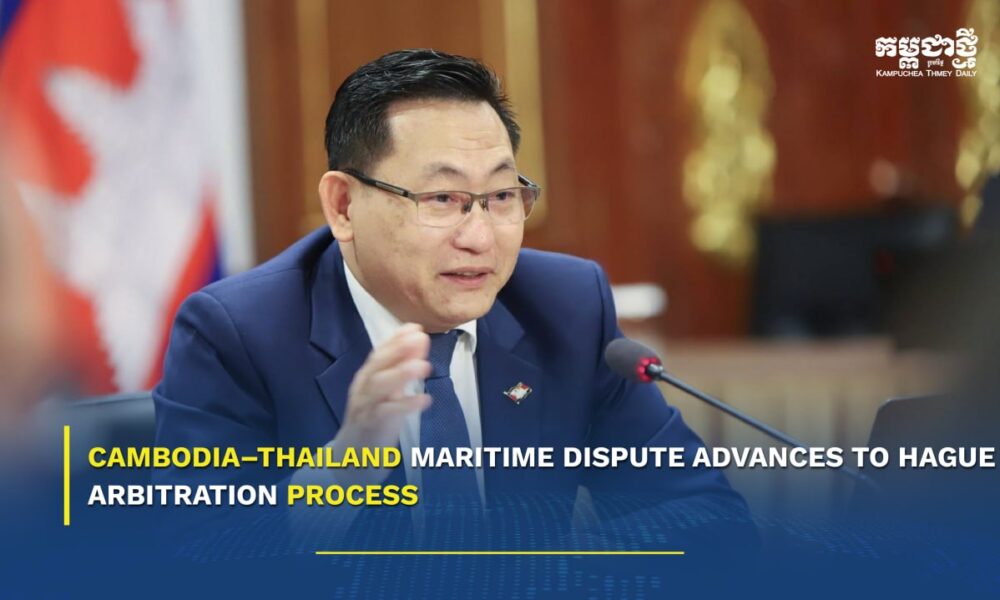
Cambodia–Thailand Maritime Dispute Advances to Hague Arbitration Process
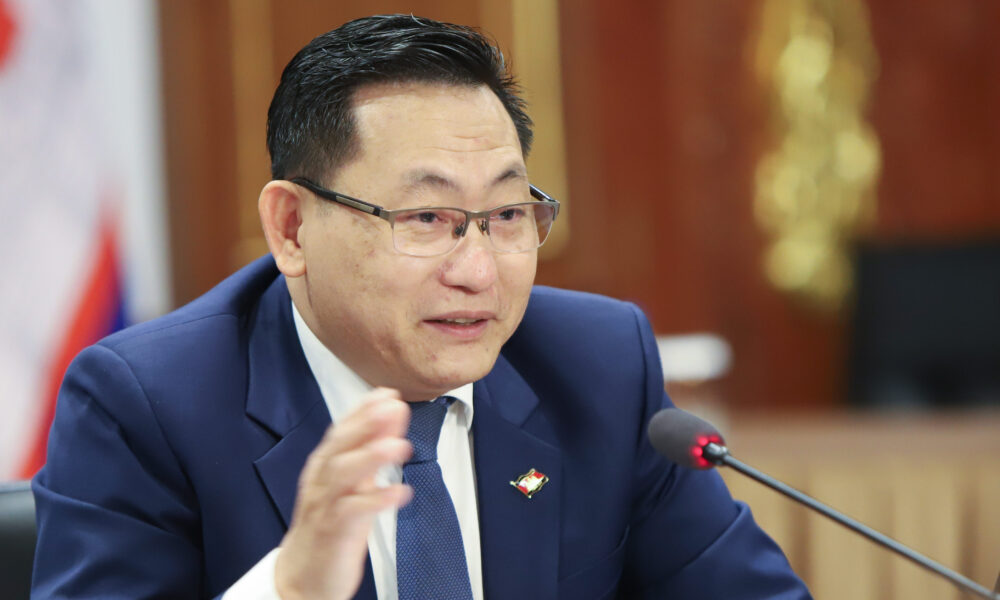
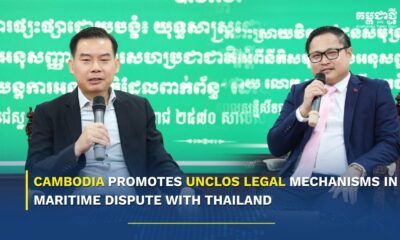
PHNOM PENH, June 25, 2026 (KPT) — The maritime boundary dispute between Cambodia and Thailand has advanced to the next stage of an international legal process at the Permanent Court of Arbitration (PCA) in The Hague, Cambodia’s foreign ministry said Thursday.
Spokesman Chan Ratana told BTV Cambodia that the PCA Registry will meet with the four members of the Conciliation Commission appointed by both countries to discuss next steps.
He said the Registry had informed Cambodia and Thailand that it would coordinate directly with the conciliators as proceedings move forward.
Ratana noted that two of the conciliators are internationally recognised legal experts, selected after careful review of their qualifications and experience.
The development follows Thailand’s formal agreement on June 19 to join the UN‑backed conciliation process after Cambodia submitted its notification earlier this month.
Cambodia announced on June 1 that it had initiated compulsory conciliation under the UN Convention on the Law of the Sea (UNCLOS), saying the move was intended to safeguard its sovereign maritime rights.
The dispute centres on overlapping claims in the Gulf of Thailand, an area believed to hold significant oil and gas reserves.
Earlier this month, Cambodia appointed Michael Taksøe‑Jensen and Alain Pellet Thouvenin as conciliators, while Thailand named Deputy Prime Minister and Foreign Minister Sihasak Phuangketkeow as agent, Ambassador Songchai Chaipatiyut as deputy agent, and judges Albert J. Hoffmann of South Africa and Rüdiger Wolfrum of Germany as conciliators.
Analysts said the process marks a shift away from years of stalled bilateral talks. Thong Mengdavid of the Royal University of Phnom Penh told KPT English the move could reduce the risk of political or military tensions.
Geopolitical analyst Gnel Rattha said proceeding under UNCLOS Annex V provides a structured legal framework with a defined timetable, offering both countries a clearer path to resolution.




-
 National2 months ago
Poll Finds Strong Cambodian Support for Closer China Ties
-
 Opinion2 months ago
Vienna Convention on the Law of Treaties (VCLT)’s ruling over the MoU 2001 Cancellation by Thailand against Cambodian Maritime Territories
-

 Economy2 months ago
Cambodia Bans Prize Promotions on Beer and Energy Drinks to Level Playing Field
-

 Economy2 months ago
Cambodia Caps Fuel Price Rise as Global Oil Surge Hits Domestic Market
-
 Politics2 months ago
Chinese Embassy Warns Citizens Over High Paid Job Scams in Thailand
-
 Opinion4 weeks ago
From Connectivity to Resilience: How Japan’s Strategic Shift Could Transform Cambodia’s Next Development Phase
-
 Education2 months ago
Cambodia Deepens Japan Backed Education Cooperation
-
 Education2 months ago
UK Pearson Edexcel Program Launched to Expand Cambodia’s International Education Standards