Economy
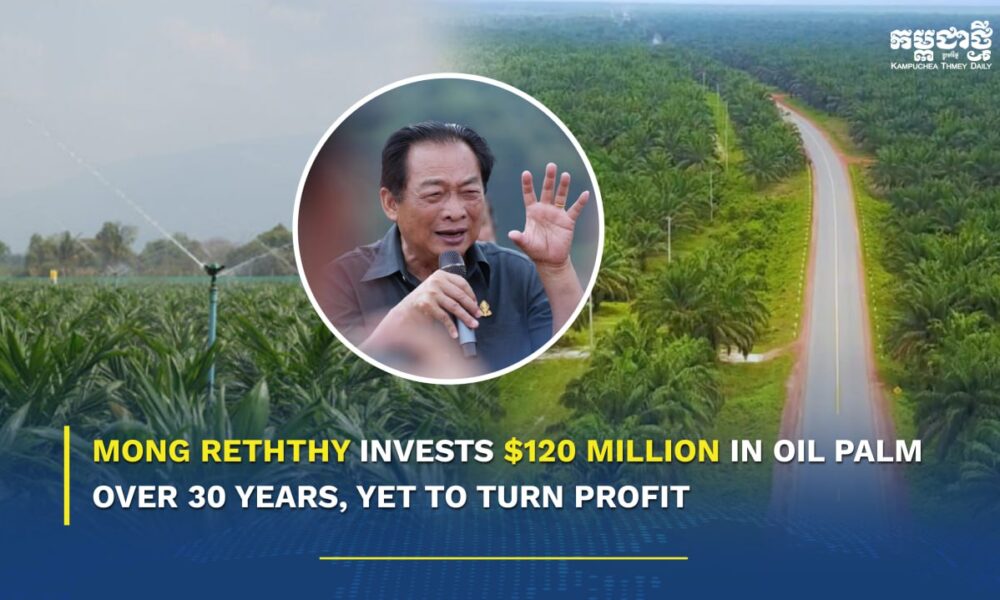
Mong Reththy Invests $120 Million in Oil Palm Over 30 Years, Yet to Turn Profit
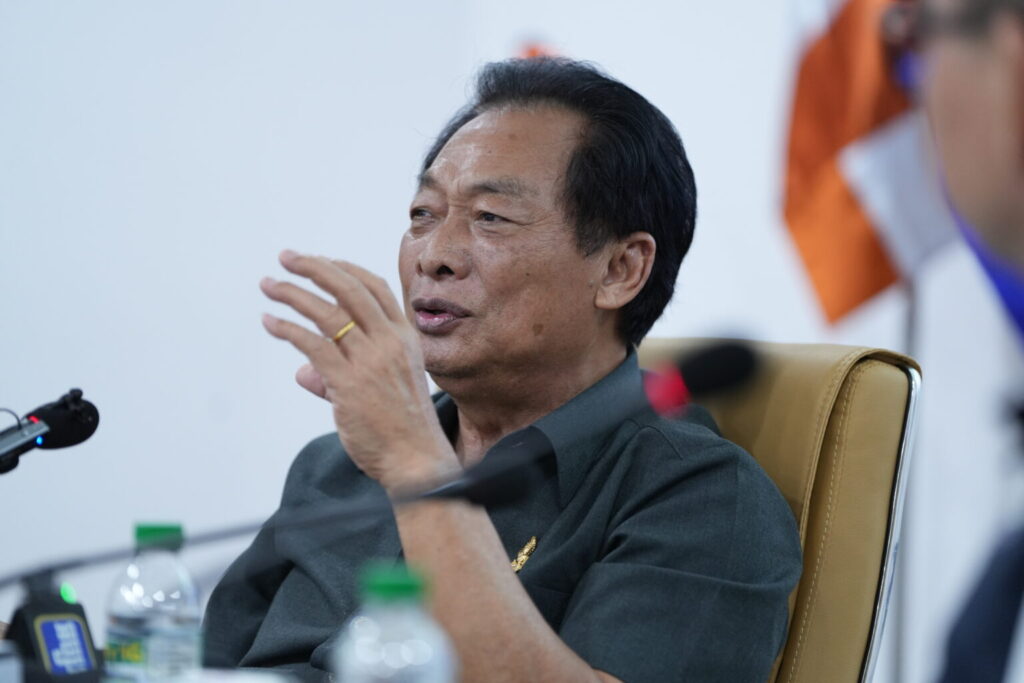
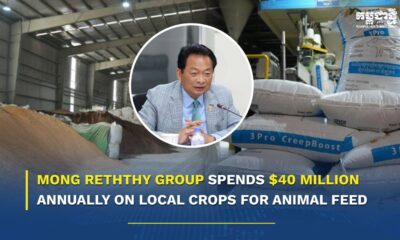
PHNOM PENH, Feb. 23, 2026 (KPT) — Cambodian agribusiness tycoon Mong Reththy has poured about $120 million into oil palm cultivation over the past three decades, but the long-term venture has yet to yield financial returns.
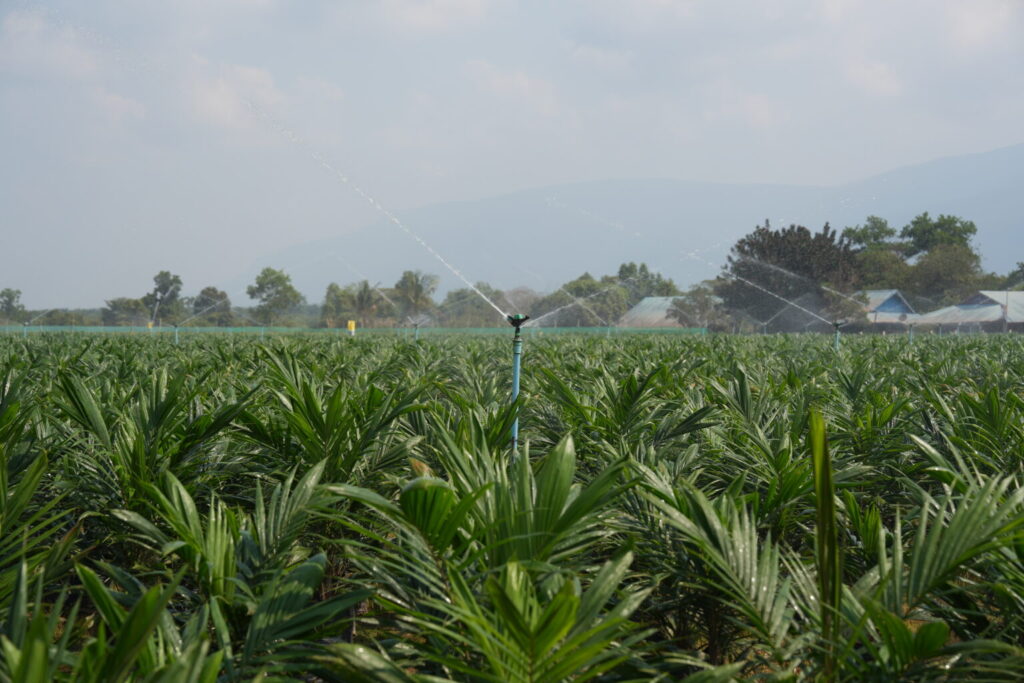
During a visit Sunday to the Mong Reththy Group’s investment site in Prey Nob district, Preah Sihanouk province, the veteran agricultural investor said the company began planting oil palm in 1995 and has steadily expanded operations despite the sector’s notoriously slow return cycle.
The plantations now span more than 16,000 hectares, making it one of Cambodia’s largest oil palm projects.
Reththy acknowledged the heavy capital demands and delayed profitability, noting that many wealthy domestic investors shy away from large-scale agriculture due to high risks. Still, he described the venture as a lifelong pursuit.
While the project has not yet recouped its initial investment, it has created tens of thousands of direct and indirect jobs for local communities.
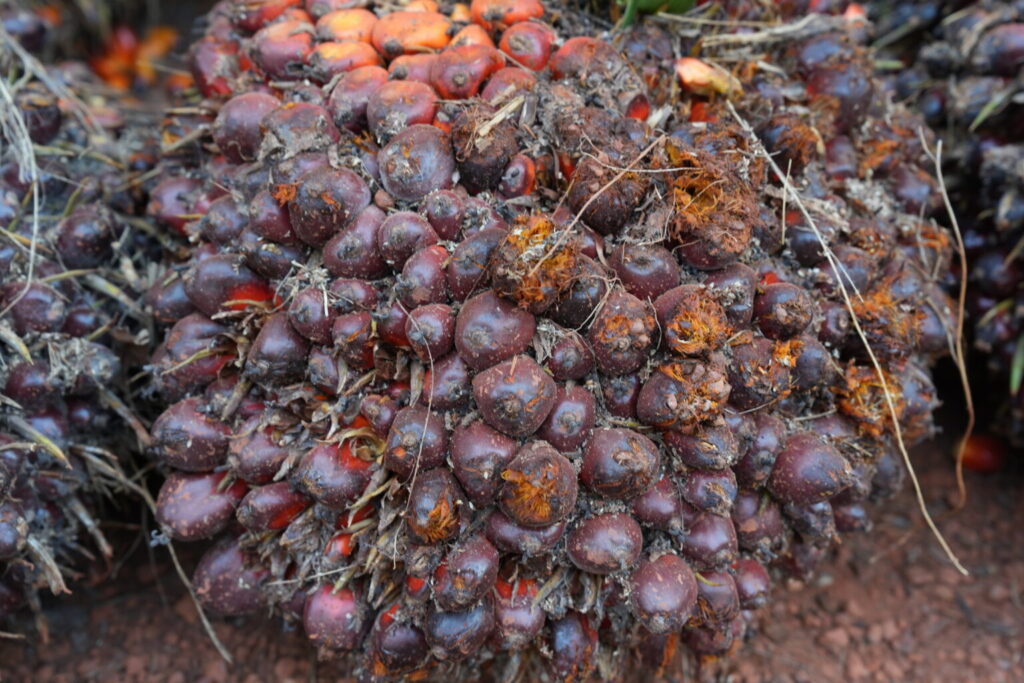
With global palm oil prices favorable, Reththy said about 97 percent of the company’s output is exported to India, with the remainder processed for domestic use.








-

 National1 month ago
Cambodia Expands Free ID Services While Introducing Clear Fee Structure for Administrative Documents
-

 National3 weeks ago
Cambodia proposes trilateral anti‑crime liaison mechanism with Laos, Vietnam
-

 National2 weeks ago
PM Hun Manet to visit China as trade surges and investment deepens
-

 National2 weeks ago
Cambodia says four soldiers injured in border blast, investigation launched
-

 National1 month ago
Samdech Techo Hun Sen Says Cambodia Can Meet Defence Needs Through Domestic Production
-

 National2 weeks ago
Cambodia opens new distribution hub to expand market access for local businesses
-
 Opinion2 months ago
From Connectivity to Resilience: How Japan’s Strategic Shift Could Transform Cambodia’s Next Development Phase
-
 Economy2 months ago
Cambodia Welcomes 1 Million Tourists in Q1, But Arrivals Fall Sharply Amid Regional Pressures