Economy
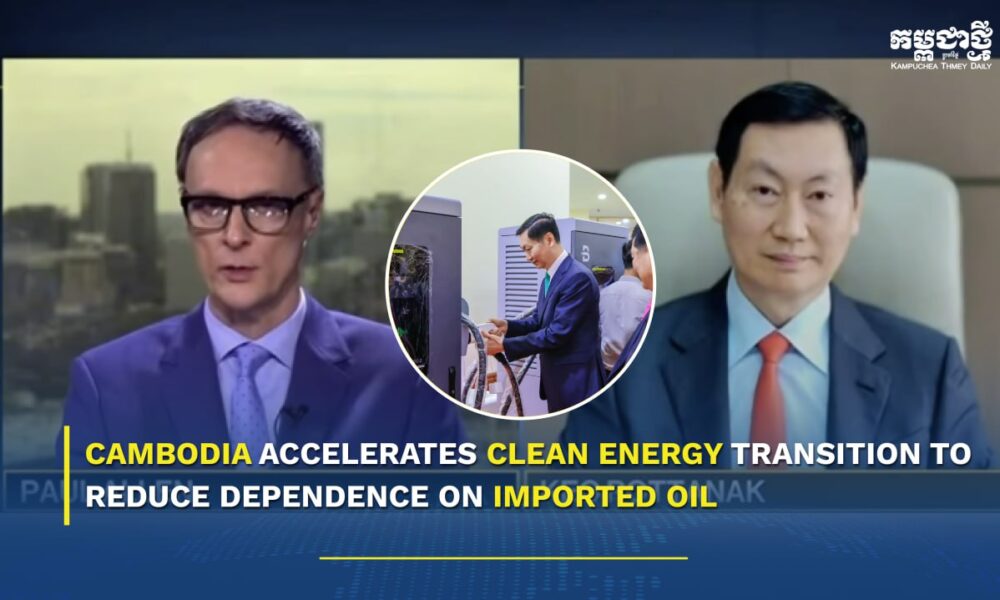
Cambodia Accelerates Clean Energy Transition to Reduce Dependence on Imported Oil
PHNOM PENH, Mar. 17, 2026 (KPT) — The Kingdom of Cambodia is stepping up its clean energy transition to reduce reliance on imported oil and bolster energy security, Energy Minister Keo Rottanak said Monday.
The move comes amid volatility in global energy markets following disruptions to Middle East oil shipments.
In an interview with Bloomberg, Rottanak said more than 63 percent of Cambodia’s electricity already comes from clean sources, including hydropower, solar and other renewables. The government aims to raise this share to at least 70 percent by 2030.

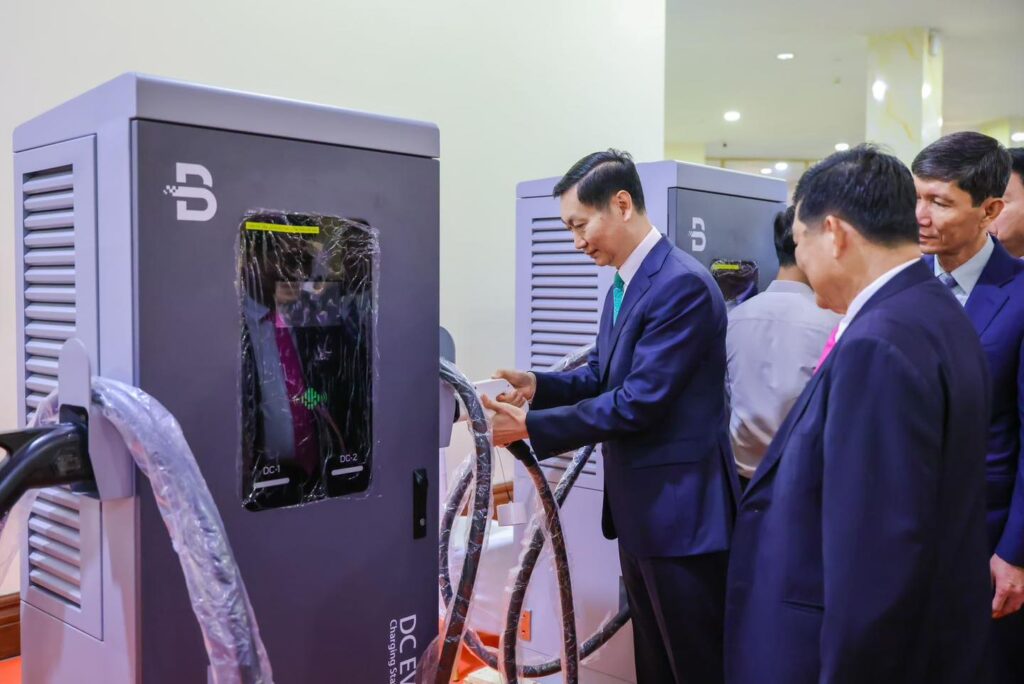
The strategy includes expanding electrification in transport, manufacturing and agriculture to cut dependence on petroleum. Cambodia is also rolling out electric vehicle charging stations nationwide and investing in renewable generation to support the shift.
Officials said the government is exploring plans to build the country’s first oil refinery by 2029, allowing crude storage and enhancing long term security.
Authorities believe the combination of renewable expansion, electrification and efficiency measures will help Cambodia cushion global oil shocks while supporting sustainable growth.











-

 National1 month ago
Cambodia Expands Free ID Services While Introducing Clear Fee Structure for Administrative Documents
-

 National3 weeks ago
Cambodia proposes trilateral anti‑crime liaison mechanism with Laos, Vietnam
-

 National2 weeks ago
PM Hun Manet to visit China as trade surges and investment deepens
-

 National2 weeks ago
Cambodia says four soldiers injured in border blast, investigation launched
-

 National1 month ago
Samdech Techo Hun Sen Says Cambodia Can Meet Defence Needs Through Domestic Production
-

 National2 weeks ago
Cambodia opens new distribution hub to expand market access for local businesses
-
 Opinion2 months ago
From Connectivity to Resilience: How Japan’s Strategic Shift Could Transform Cambodia’s Next Development Phase
-
 Economy2 months ago
Cambodia Welcomes 1 Million Tourists in Q1, But Arrivals Fall Sharply Amid Regional Pressures