Economy
Cambodia Urges Action Against Thai Sea Moves
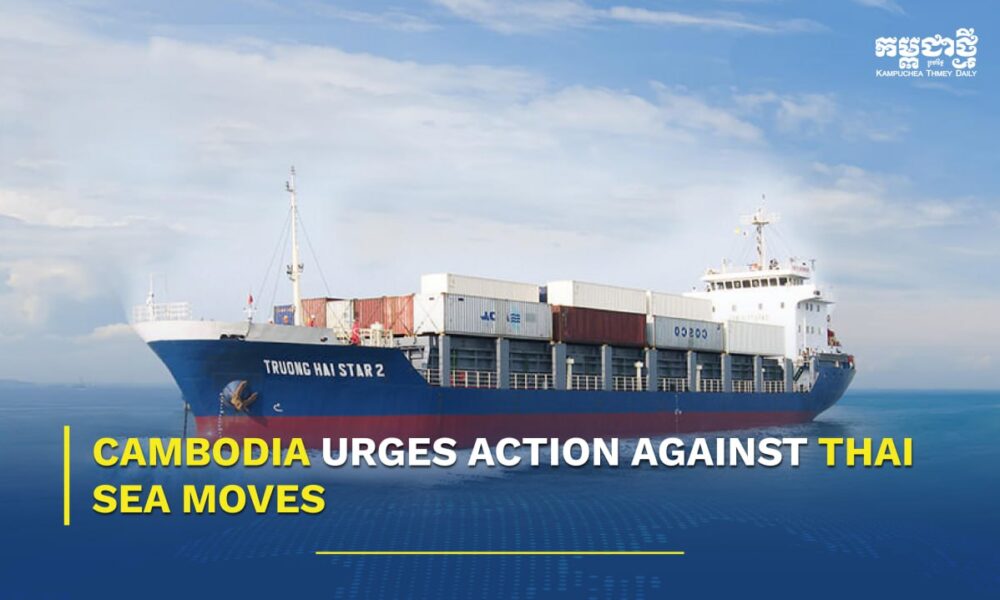
PHNOM PENH, Cambodia (Dec. 15, 2025) — Cambodia warned Monday that any attempt by Thailand to block sea routes in the Gulf of Thailand would constitute a serious violation of international law, as tensions between the two neighbors continue to rise.
Phan Rim, spokesman for Cambodia’s Ministry of Public Works and Transport, said Cambodia has diverse and interconnected maritime cargo routes that ensure national autonomy and continuity of trade in line with international norms.
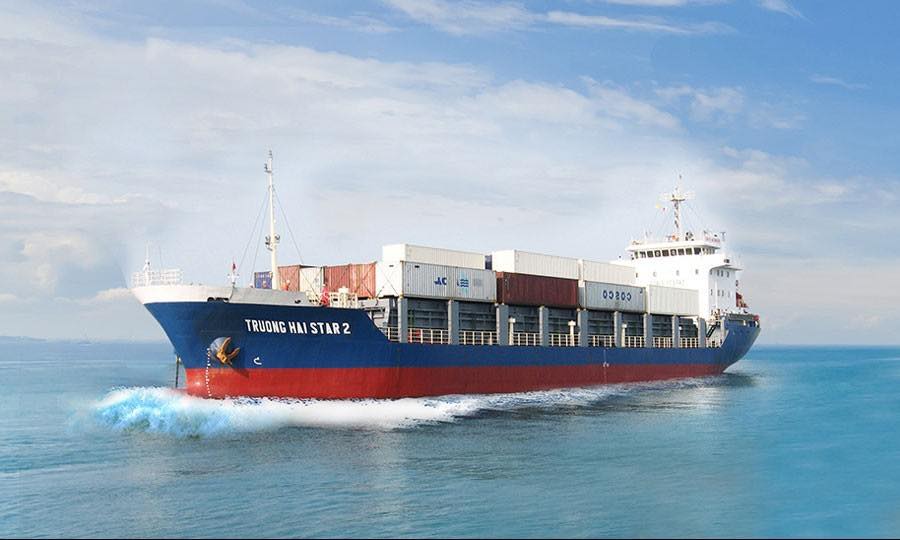
“Cambodia is not unprepared. We have anticipated this scenario and are ready to respond in all forms to any attempt to escalate the conflict or disrupt maritime navigation,” Rim said.
The statement followed reports that the Thai military issued an urgent directive ordering the interception of oil and military supplies bound for Cambodia, declaring waters near Cambodian ports “high‑risk danger zones.”
Cambodian officials stressed that the Gulf of Thailand is not Thailand’s exclusive territory but a shared maritime space involving Cambodia, Thailand, Vietnam and Malaysia. Any unilateral attempt to restrict navigation beyond Thailand’s territorial waters, they said, would infringe upon the rights of other coastal states.
The government warned that obstructing shipments of food, medicine or essential civilian goods could violate international humanitarian law, particularly if such actions endanger civilian populations during conflict.
Officials further noted that a full or partial maritime blockade would breach the United Nations Convention on the Law of the Sea, which guarantees freedom of navigation in international waters and Exclusive Economic Zones.
Under UNCLOS, Thailand has no legal authority to restrict navigation beyond its 22‑kilometer territorial waters.
The Gulf of Thailand covers about 320,000 square kilometers, consisting largely of international waters and EEZs where unilateral closure or interdiction of commercial shipping is prohibited under international law.







-
 National2 months ago
Cambodia Expands Free ID Services While Introducing Clear Fee Structure for Administrative Documents
-
 National3 weeks ago
Cambodia proposes trilateral anti‑crime liaison mechanism with Laos, Vietnam
-
 National3 weeks ago
PM Hun Manet to visit China as trade surges and investment deepens
-

 National2 weeks ago
Cambodia says four soldiers injured in border blast, investigation launched
-
 National1 month ago
Samdech Techo Hun Sen Says Cambodia Can Meet Defence Needs Through Domestic Production
-

 National3 weeks ago
Cambodia opens new distribution hub to expand market access for local businesses
-
 Opinion2 months ago
From Connectivity to Resilience: How Japan’s Strategic Shift Could Transform Cambodia’s Next Development Phase
-
 Economy2 months ago
Cambodia Welcomes 1 Million Tourists in Q1, But Arrivals Fall Sharply Amid Regional Pressures