National
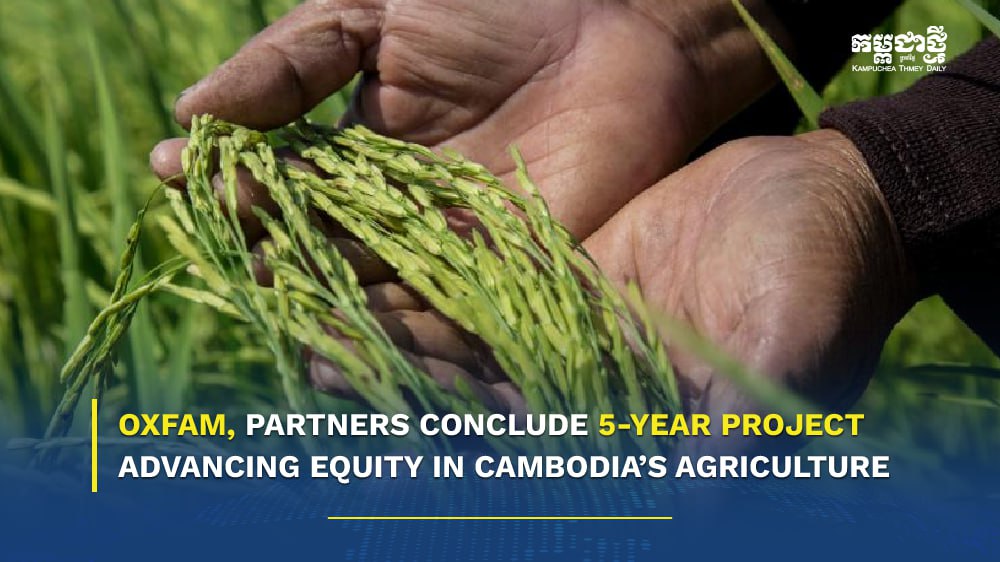
Oxfam, Partners Conclude 5-Year Project Advancing Equity in Cambodia’s Agriculture
PHNOM PENH, Cambodia (Nov. 19, 2025) — Oxfam and its partners are marking the conclusion of the five-year Fair for All Project, which has sought to strengthen labor protections, amplify community voices and promote inclusive governance in Cambodia’s agricultural sector.
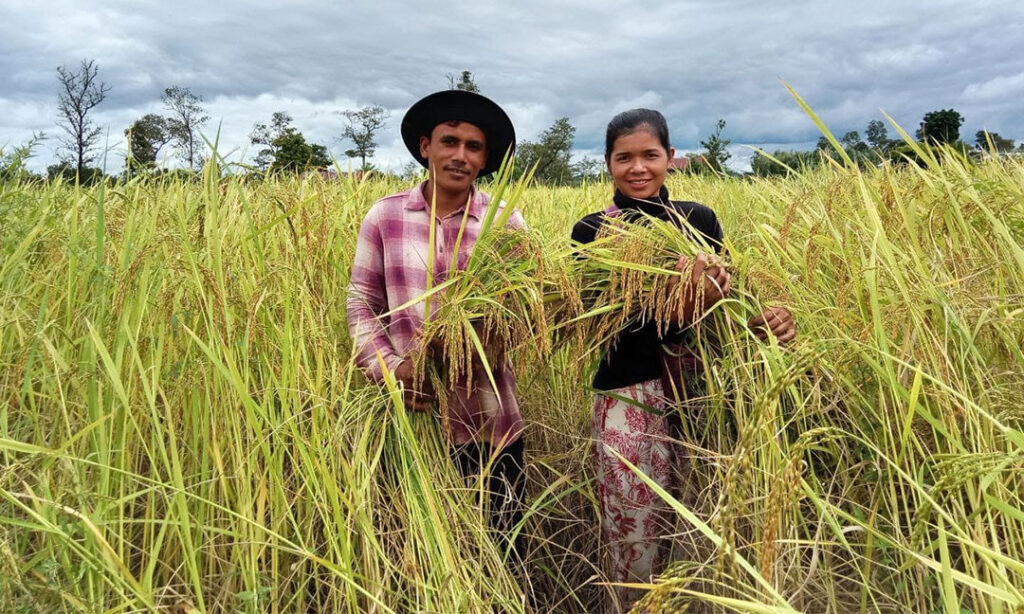
Launched in 2021, the project convened government agencies, local organizations and private sector actors to address systemic challenges in the banana and rubber value chains. Through national dialogues and grassroots engagement, agricultural workers’ concerns were elevated, prompting government commitments to enforce social security laws and expand inspections by the National Social Security Fund.
The initiative also advanced access to justice by supporting new procedures that allow individual workers to file complaints and pursue resolution through mediation and arbitration. These reforms reinforced labor rights across six provinces, including Kampot, Kampong Cham, Tboung Khmum, Kratie, Stung Treng and Ratanakiri.
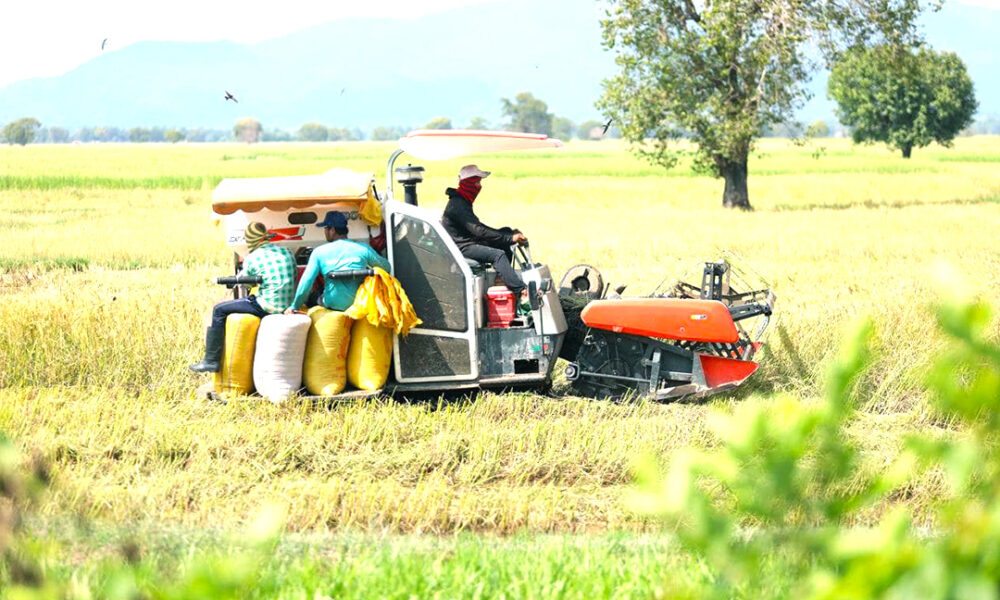
Beyond labor protections, the project fostered civic engagement by creating dialogue between communities and authorities, surfacing local issues at the national level and catalyzing policy responses. Work on responsible investment and land rights deepened stakeholder understanding of inclusive, conflict-sensitive practices.
“Oxfam’s Fair for All has shown that lasting change comes from collective action and courageous dialogue,” said Sophoan Phean, Oxfam’s national director. “By bringing workers, communities and decision-makers together, we’ve helped shape policies that protect rights and promote equity.”
Reasy Seng, executive director of SILAKA, said the project empowered communities to speak up and be heard, driving policy shifts and strengthening democratic governance.
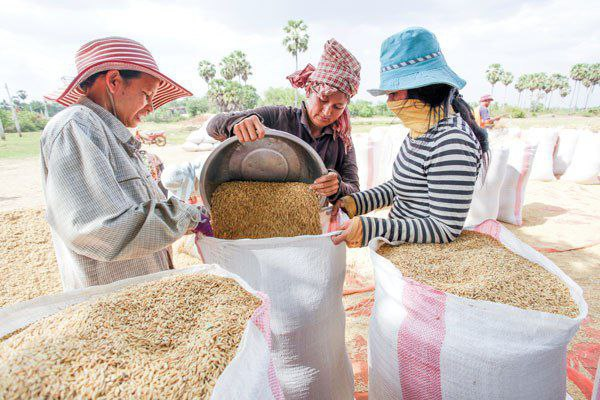
Climate resilience and gender equality were also central to the project’s advocacy. Through consultations and policy papers, Fair for All contributed to Cambodia’s national climate agenda, promoting renewable energy and inclusive adaptation strategies. Initiatives such as “White Tear” used art and activism to spotlight women’s experiences, sparking public dialogue and advancing gender justice.
As the project concludes, its legacy is defined by stronger worker protections, empowered communities and a more just and sustainable agricultural future for Cambodia.










-
 National1 month ago
Cambodia Expands Free ID Services While Introducing Clear Fee Structure for Administrative Documents
-
 National3 weeks ago
Cambodia proposes trilateral anti‑crime liaison mechanism with Laos, Vietnam
-
 National2 weeks ago
PM Hun Manet to visit China as trade surges and investment deepens
-

 National2 weeks ago
Cambodia says four soldiers injured in border blast, investigation launched
-
 National1 month ago
Samdech Techo Hun Sen Says Cambodia Can Meet Defence Needs Through Domestic Production
-
 National2 weeks ago
Cambodia opens new distribution hub to expand market access for local businesses
-
 Opinion2 months ago
From Connectivity to Resilience: How Japan’s Strategic Shift Could Transform Cambodia’s Next Development Phase
-
 Economy2 months ago
Cambodia Welcomes 1 Million Tourists in Q1, But Arrivals Fall Sharply Amid Regional Pressures