National
Cambodia launches five-year development plan amid economic pressure
PHNOM PENH, Cambodia (Oct. 10, 2025) — Cambodia on Thursday launched its National Strategic Development Plan for the 7th Legislature, outlining priorities to guide the country through growing regional and global challenges.
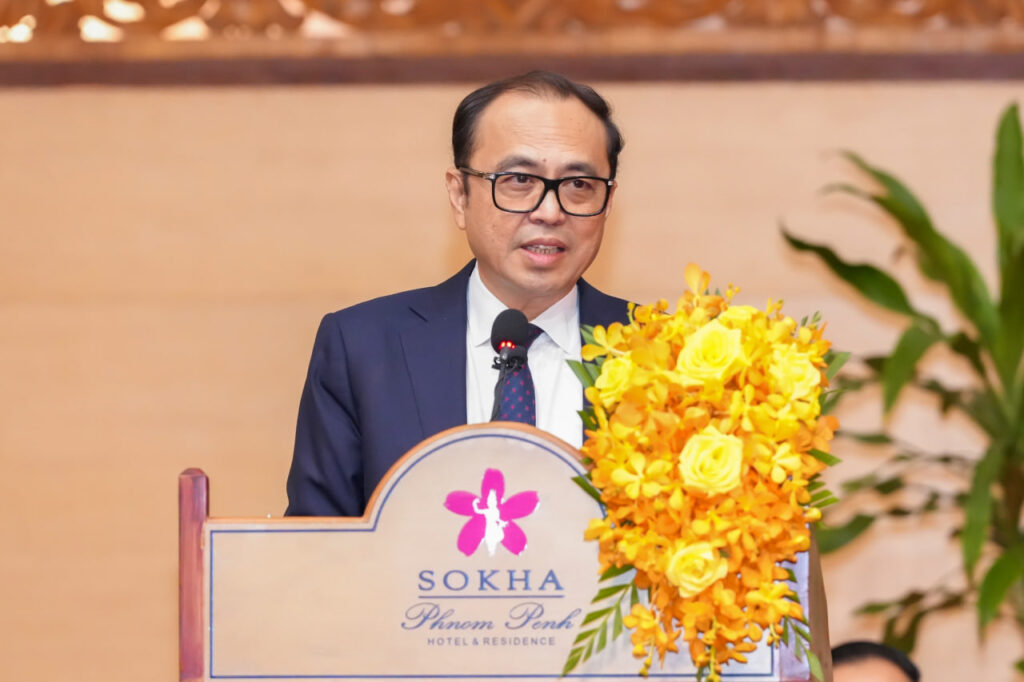
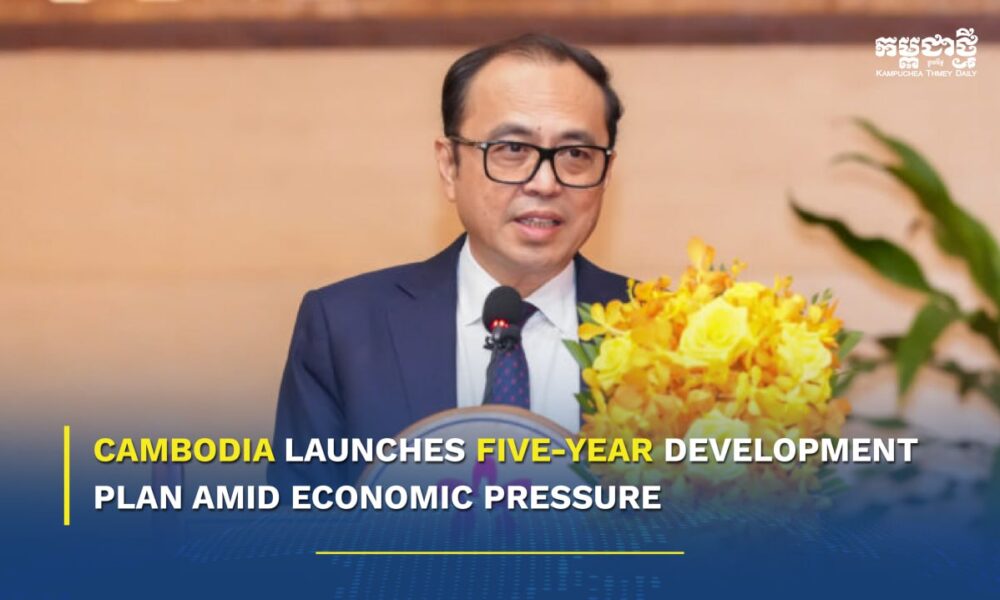
Vongsey Vissoth, minister in charge of the Office of the Council of Ministers, spoke on behalf of Prime Minister Samdech Thipadei Hun Manet and said the plan’s launch was more than symbolic — it was a call for shared accountability. Under the “Single Actor System,” all ministries and institutions are expected to coordinate in executing key measures and targets, he said.
Vissoth cited an uncertain external environment, including geopolitical tensions, economic fragmentation and rising protectionism among trading partners. He pointed to a 19% U.S. tariff on Cambodian exports as a major concern, saying it is straining the export sector and foreign investment. He also noted border tensions with Thailand that are affecting trade and cross-border movement.
Despite the challenges, Vissoth expressed optimism about Cambodia’s trajectory. He highlighted recent gains, including an estimated 6% economic growth in 2024 and projected 5% growth in 2025. GDP per capita is expected to rise from $2,520 in 2023 to $2,713 in 2024, with projections nearing $3,000 in 2025. Expanded social assistance programs, such as family support packages, aim to uplift vulnerable communities.
He said the government’s vision remains anchored in peace and stability as prerequisites for development.
Vissoth called on ministries, security forces, local authorities, civil society, NGOs, the private sector and development partners to support the plan. He designated the Ministry of Planning as the lead agency to coordinate, monitor and evaluate its implementation.
Observers say the success of the development blueprint will depend on policy coherence, responsive reforms and the government’s ability to navigate external headwinds, including trade shocks and border frictions. The coming months will test how well priorities on paper translate into action on the ground.







-
 National1 month ago
Cambodia Expands Free ID Services While Introducing Clear Fee Structure for Administrative Documents
-
 National3 weeks ago
Cambodia proposes trilateral anti‑crime liaison mechanism with Laos, Vietnam
-
 National2 weeks ago
PM Hun Manet to visit China as trade surges and investment deepens
-

 National2 weeks ago
Cambodia says four soldiers injured in border blast, investigation launched
-

 National1 month ago
Samdech Techo Hun Sen Says Cambodia Can Meet Defence Needs Through Domestic Production
-
 National2 weeks ago
Cambodia opens new distribution hub to expand market access for local businesses
-
 Opinion2 months ago
From Connectivity to Resilience: How Japan’s Strategic Shift Could Transform Cambodia’s Next Development Phase
-
 Economy2 months ago
Cambodia Welcomes 1 Million Tourists in Q1, But Arrivals Fall Sharply Amid Regional Pressures